Learn how to invest in Bitcoin in Kenya safely using M-Pesa. Discover trusted crypto exchanges, legal insights, and smart investment tips in this 2025 guide for Kenyan investors.
How to invest Bitcoin in Kenya – In Kenya, awareness and adoption of cryptocurrency, especially Bitcoin are rising rapidly, and the market is becoming far more accessible for everyday users. According to a report, Kenya is now among Africa’s fastest-growing crypto markets, with an estimated four million digital-currency holders and increasing acceptance of crypto payments in urban areas. JuaTech Africa+3kenyanewsjournal.com+3Hukukenya+3
One of the main drivers of this growth is the familiar mobile-money ecosystem anchored by M‑Pesa, which has over 50 million users in Kenya and provides the ideal bridge between traditional money and crypto.
Platforms like Binance P2P now allow Kenyans to buy Bitcoin using M-Pesa directly, making the process as straightforward as sending a mobile money payment. JuaTech Africa+1
For Kenyan investors wondering how to invest Bitcoin in Kenya this means: the infrastructure is in place, regulatory clarity is improving, and local payment methods (like M-Pesa) are accepted on major exchanges.
That said, it’s vital to proceed with awareness and caution—because while the entry barrier is lower, the risks (volatility, scams, regulatory uncertainty) remain high.
Why Bitcoin is growing in Kenya:
1. Financial inclusion & under-banking
Many Kenyans are un‐banked or under-banked, meaning they don’t have full access to traditional financial services.
Bitcoin provides an alternative for these people. For example:
- In the slum of Kibera, users without formal bank accounts or permanent addresses are adopting Bitcoin because “the protocol requires no central authority, physical branches or formal credentials”. CCN.com+1
- A report notes that Kenya’s youth and mobile-first population see Bitcoin as a route into the global financial system even if they don’t have a traditional bank account. Kenyan Post
2. Mobile money infrastructure & digital readiness
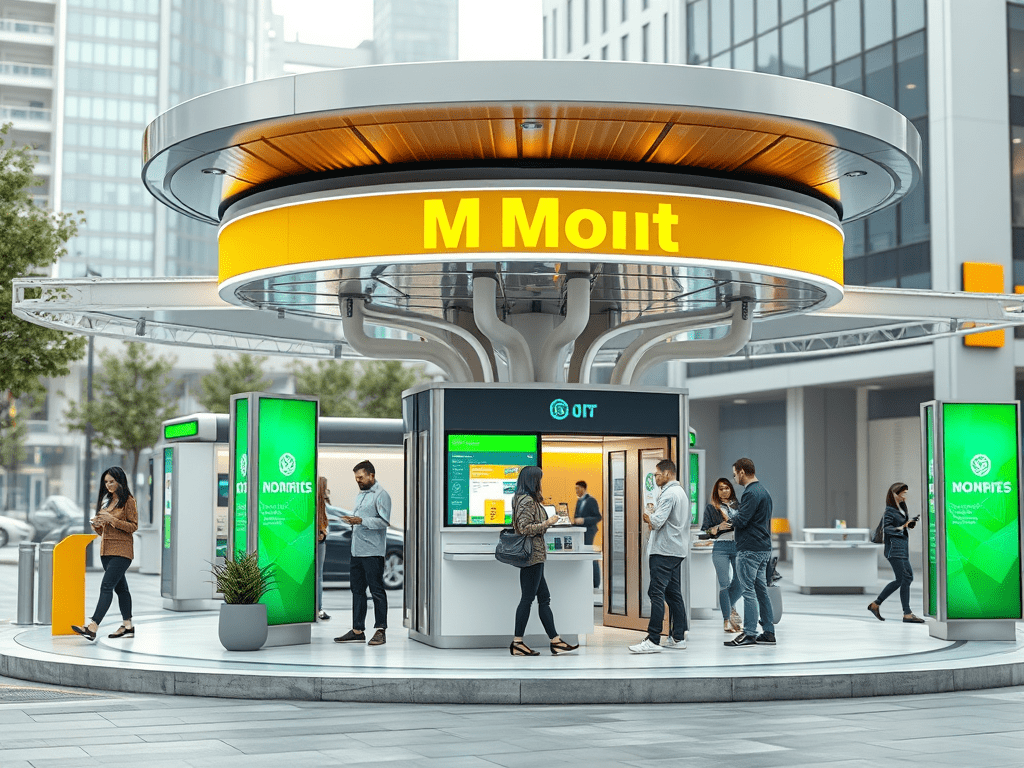
Kenya has a mature mobile money ecosystem (think M‑Pesa) and high mobile/internet penetration.
This sets up Bitcoin adoption nicely. For example:
- Platforms such as Binance have integrated M-Pesa for peer-to-peer (P2P) purchasing of Bitcoin, making it accessible via mobile wallets and familiar payment rails. JuaTech Africa+1
- Kenya’s digital culture and fintech leadership have been cited as enabling factors for Bitcoin’s popularity. Kenyan Post
3. Currency risk, inflation and store-of-value appeal
The Kenyan shilling has been under pressure, and many citizens look for ways to preserve value. Bitcoin’s scarcity and global nature make it appealing.
Examples:
- One article states that because the shilling is losing value “the conversion from BTC to KSH is bound to have a significant impact on the trading markets”. The Star
- Another emphasises that inflation, currency depreciation and dollar scarcity are key drivers for crypto uptake, particularly stablecoins but implicitly also Bitcoin. Business Daily+1
4. Remittances, peer‐to‐peer trade & cross-border flows
Bitcoin and crypto more broadly offer cheaper, faster alternatives to traditional remittance and global payment channels.
In Kenya:
- Reports show Kenyans working abroad and informal sector workers using Bitcoin because it offers lower cost and faster transfers compared to traditional services. CCN.com+1
- Kenya has ranked high in peer-to-peer (P2P) trading volumes, suggestive of active local trading and adoption. Business Today+1
5. Youth, tech-savvy population & alternative investment mindset
Kenya has a relatively young population, many of whom are mobile-first, tech-savvy and looking for alternative ways to invest or store value.
For example:
- One article notes that “Kenya’s youth over 75% under age 35 are mobile-first, digital-fluent … with inflation and local currency pressure they see Bitcoin as strategic.” JuaTech Africa
- Another shows adoption even in informal settlements where vendors accept Bitcoin because of its speed, low cost and relative safety versus cash. Bitget+
6. Accessibility of crypto platforms and localised payment options
The ease of access to crypto platforms in Kenya has improved significantly.
For example:
- Apps and exchanges support M-Pesa, local currency (KES) pairs, P2P trading, making Bitcoin purchasing more accessible. JuaTech Africa+1
- Because of low barriers, even small amounts of money can be used to buy crypto, opening the market to everyday investors rather than only wealthy ones.
7. Informal economy & cash safety concerns
In more informal or cash-heavy economies (markets, street-vendors, informal settlements), Bitcoin is used as a payment alternative because of safety, ease and lower cost.
For example:
- In Kibera some vendors prefer Bitcoin because they avoid carrying cash (risk of theft), and some workers receive bitcoin via salary or payments. CCN.com+
What Is Bitcoin and Why Invest in It?
Bitcoin is a decentralized digital currency that enables peer-to-peer transactions without the need for a bank or central authority. Coinbase+2CoinTracker+2
It was introduced in 2009 by the pseudonymous creator (or group) known as Satoshi Nakamoto. Encyclopedia Britannica+1
At its core:
- Users hold “wallets” with private keys; transactions are recorded on a public distributed ledger called the blockchain. CoinTracker+1
- It has a fixed supply of 21 million bitcoins (BTC) meaning scarcity is built-in. Coinbase+1
- Because it is digital and global, you can send value across borders at any time, without needing a bank’s permission. Coinbase Help+1
In short: Bitcoin is like “digital money” but with characteristics of a decentralized asset, operating independently of traditional financial intermediaries.
2. Why Invest in Bitcoin? Key Benefits
Here are the major reasons someone might invest in Bitcoin and how these apply in the Kenyan context.
a) Decentralisation
Since Bitcoin is not controlled by any single government, bank or institution, it offers an alternative path for holding value or transacting without relying on a central authority. Encyclopedia Britannica+1
For Kenyans, this can mean: less dependence on local banks, more control over your money, and access to a global financial network.
b) Inflation hedge / Scarcity
Because only 21 million bitcoins will ever exist, Bitcoin is often compared to “digital gold.” Its scarcity can make it appealing for those worried about inflation or currency devaluation. CoinDesk+1
In Kenya, where the Kenyan Shilling may face depreciation or inflationary pressure, Bitcoin can be positioned (with caution) as one of several tools to diversify away from local-currency risk.
c) Ease of international payments / global nature
Bitcoin allows borderless transactions. Whether you’re sending value to or receiving from abroad, Bitcoin can streamline things where traditional remittances are slow or expensive. Coinbase Help
In Kenya’s context:
- Diaspora remittances are huge (≈ US$ 5 billion in 2024) Bitcoin is increasingly used to bypass high fees. Bitcoin KE+1
- Kenyan online businesses selling internationally can accept Bitcoin, reducing currency conversion friction.
3. Kenya-Specific Examples of Use
Here are local specific examples:
- A fintech‐remittance service based in Nairobi allowed users to buy Bitcoin with Kenyan Shillings and use it for cross-border transfers. Finance Magnates
- Vendors in informal settlements (e.g., in Nairobi) are beginning to accept Bitcoin as a payment method, offering relief from cash-only systems and frequent banking hurdles. AP News
- For Kenyans abroad or family members sending money home, Bitcoin and other digital assets can offer an alternate channel to remittances, avoiding some traditional cost/ delays (though not without risk).
Is Bitcoin Legal in Kenya:

The Central Bank of Kenya (CBK) – Official Position
- In December 2015, CBK issued a public notice cautioning the public that “virtual currencies such as Bitcoin … are not legal tender in Kenya and are not regulated.” centralbank.go.ke+2The Standard+2
- The notice emphasised risks such as untraceability of transactions, potential for money-laundering or financing terrorism, and the lack of consumer protection if an exchange fails. centralbank.go.ke+1
- More recently (September 2023), CBK Governor Kamau Thugge clarified: “trade in cryptocurrency has not been made illegal in Kenya… but we have no mandate to licence or regulate it.” The Star+1
- In summary: owning and trading crypto (including Bitcoin) is not banned, but there is no legal status as currency, and no formal regulation yet for most crypto activity. hukukenya.co.ke+1
While you can invest in Bitcoin in Kenya, you should do so at your own risk, recognising that regulatory protection is currently minimal.
The Virtual Asset Service Providers Bill 2025 (VASP Bill) – Kenya’s First Framework
- Kenya is in the process of formally regulating digital assets. The VASP Bill is designed to create a licensing regime for businesses that deal with “virtual assets” (which include cryptocurrencies like Bitcoin) and “virtual asset service providers” (VASPs). itweb.africa+2Capital FM+2
- Key features of the bill include:
- Requiring VASPs (exchanges, custodians, wallet providers) to be licensed. Njaga & Co. Advocates LLP
- Clear definition of virtual assets vs. fiat currency and delineation of scope. Business Daily+1
- Penalties for unlicensed operations: fines (e.g., up to KSh 10 m or more) and possible imprisonment. Cliffe Dekker Hofmeyr+1
- Creation of a joint regulatory body (Virtual Assets Regulatory Authority) involving CBK, Capital Markets Authority (Kenya) (CMA), and other agencies. BitcoinKE+1
- Requiring VASPs (exchanges, custodians, wallet providers) to be licensed. Njaga & Co. Advocates LLP
- Although the bill targets service providers, it does not prohibit individuals from owning or transacting in Bitcoin via non-custodial wallets (in self-custody) according to legal commentary. Bitcoin Magazine+1
Current Legal Status: What that Means for Kenyan Investors
- Bitcoin is not banned in Kenya. You can buy, hold, and transfer it. CBK has explicitly stated trading is not illegal. The Star
- But:
- It is not legal tender (official money) in Kenya. The Standard+1
- There is no consumer protection if something goes wrong (e.g., exchange collapse). Finance Magnates+1
- Buying crypto still comes with regulatory uncertainty and risks such as money-laundering concerns, high volatility and lack of recourse. Cointelegraph+1
- It is not legal tender (official money) in Kenya. The Standard+1
Step-by-Step Guide to Investing in Bitcoin in Kenya
1) Choose a trusted exchange (Binance, Yellow Card, Paxful, etc.)
- Why it matters: Picking a reputable exchange reduces counterparty risk, gives access to local payment rails (M-Pesa), and usually offers escrow / dispute resolution for P2P trades. Use local-friendly platforms such as Binance (P2P) and Yellow Card, which explicitly support M-Pesa deposits in Kenya. Binance+1
- Checklist when choosing: licensing/transparent team, KYC policy, fees & spreads, liquidity (how fast orders fill), payment methods (M-Pesa), and P2P seller ratings.
2) Create an account & verify (KYC)
- Quick steps: register with email/phone → confirm email → set a strong password → enable 2-factor authentication (2FA). Most exchanges require identity verification (KYC) before you can deposit or trade higher limits. Binance’s onboarding guide covers these steps in detail. Binance+1
- Documents typically required in Kenya: national ID / passport, proof of address (utility bill or bank statement), and a selfie. KYC speeds up withdrawals and increases trust on P2P platforms.
3) Deposit via M-Pesa (how Kenyan users fund accounts)
- Two common methods:
- Direct M-Pesa integration on exchanges like Yellow Card (deposit instantly to your exchange wallet). Yellow Card Financial+1
- P2P trading on platforms like Binance: pick a seller who accepts M-Pesa, place the order, pay the seller’s M-Pesa number (as instructed), then the seller releases BTC from escrow. Binance P2P documents the exact flow (filter for M-Pesa + KES). Binance+1
- Direct M-Pesa integration on exchanges like Yellow Card (deposit instantly to your exchange wallet). Yellow Card Financial+1
- Step-by-step for P2P (typical):
- Choose “P2P” → select BTC and currency KES → filter payment method “M-Pesa.”
- Pick a seller with a high completion rate and positive feedback.
- Enter amount (KES) → place order → follow the exact payment instructions (send M-Pesa to seller).
- After payment, click “I have paid” and wait for crypto to be released from escrow.
- Choose “P2P” → select BTC and currency KES → filter payment method “M-Pesa.”
- Safety tips: never mark as paid until the M-Pesa transaction is complete/confirmed; check seller’s trade history and minimum/maximum limits.
4) Buy Bitcoin (practical buying strategies)
- Market vs Limit orders: If you want immediate execution, use a market order; if you want a specific price, use a limit order. For beginners buying small amounts via P2P, simply follow the seller flow.
- Small-step approach: Start with a small test buy (e.g., KES 1,000–5,000) to confirm the end-to-end flow (KYC → deposit → buy → withdraw). This is ideal for Kenyan novices who are searching “how to buy Bitcoin in Kenya with M-Pesa”. Kenyan Wall Street
- Record keeping: Save receipts, transaction IDs, and seller details useful for dispute resolution and future tax/record compliance.
5) Secure your wallet (best practices & wallet recommendations)
- Custodial vs Non-custodial: If you leave BTC on an exchange (custodial), you rely on that company’s security practices. For long-term holdings, move funds to a non-custodial wallet where you control the private keys. Use reputable mobile wallets (Trust Wallet, Exodus) for convenience or hardware (cold) wallets for maximum safety. Ledger+1
- Hardware wallets: Ledger (Nano series) is a widely recommended option for secure cold storage; buy only from official sellers to avoid supply-chain risks. Ledger
- Security checklist:
- Enable 2FA (Google Authenticator, not SMS if possible).
- Write down seed phrases on paper (not digital). Store backups in separate, secure locations.
- Use hardware wallets for amounts you cannot afford to lose.
- Beware of phishing links and verify domain names before logging in. Investopedia’s security guides explain common threats and mitigations. Investopedia
- Enable 2FA (Google Authenticator, not SMS if possible).
Bitcoin Investment Options in Kenya
How to invest Bitcoin in Kenya is now one of the most searched topics online as more Kenyans explore different ways to grow their digital wealth. Bitcoin investment isn’t limited to just buying and holding—it includes trading, peer-to-peer (P2P) exchanges, and Bitcoin savings apps that let you earn passive income.
Below is a detailed breakdown of the most common Bitcoin investment options in Kenya, with specific keywords to help your blog rank high on Google.
Holding (HODL) Bitcoin in Kenya
HODL, a slang term for “Hold On for Dear Life,” refers to buying Bitcoin and keeping it long-term believing its value will rise over time.
Many Kenyans prefer this strategy because it’s simple, secure, and requires no daily trading skills.
How it works:
- Buy Bitcoin using M-Pesa via trusted platforms like Binance P2P or Yellow Card.
- Store your BTC in a non-custodial wallet (e.g., Trust Wallet, Ledger, or Exodus).
- Avoid selling during price dips; instead, hold for long-term gains.
Why it’s popular in Kenya:
- Acts as a hedge against inflation and local currency depreciation (KES).
- Easy for beginners who just want to “buy and forget.”
- Ideal for long-term investors who believe Bitcoin’s price will rise.
Bitcoin Trading in Kenya
Bitcoin trading involves buying and selling Bitcoin to profit from price fluctuations. Unlike holding, trading is short-term and requires market analysis.
Types of trading:
- Spot trading: Buying and selling BTC directly on platforms like Binance or OKX.
- Futures trading: Advanced users can trade Bitcoin price movements without owning actual coins.
- Day trading or swing trading: Using market trends and indicators to predict price movements.
What you need to know:
- Trading requires understanding of technical analysis, chart patterns, and risk management.
- Beginners can start with demo accounts or small trades on reputable platforms.
- Always use stop-loss orders to minimize potential losses.
Why it’s trending in Kenya:
- Growing access to crypto education and trading platforms.
- Potential for quick profits, though it carries higher risks.
Peer-to-Peer (P2P) Bitcoin Investment
Peer-to-peer (P2P) trading is one of the easiest and most convenient Bitcoin investment options in Kenya, especially with M-Pesa integration.
How it works:
- You buy or sell Bitcoin directly with another person through a platform like Binance P2P or Paxful, which holds the Bitcoin in escrow until both sides confirm payment.
- Payment methods include M-Pesa, bank transfers, or other local wallets.
Advantages for Kenyans:
- No need for bank cards or international transfers.
- Direct, fast, and simple to use.
- Lower fees compared to centralized exchanges.
Safety tips:
- Always trade with verified users.
- Confirm payment before releasing Bitcoin.
- Never trade outside the platform to avoid scams.
Bitcoin Savings Apps and Interest Accounts
A newer Bitcoin investment option in Kenya is through Bitcoin savings apps, which let users earn passive income by lending or staking their crypto.
Examples of Bitcoin savings apps:
- Binance Earn: Offers flexible and locked savings with daily interest.
- Yellow Card App: Simplifies savings for African users.
- Paxful Wallet and Bitnob also allow earning small interest on stored Bitcoin.
How it works:
- Deposit your Bitcoin into the savings product.
- Earn interest (e.g., 3–10% annually) depending on lock duration and market demand.
- Withdraw your Bitcoin anytime (if on flexible plan).
Benefits:
- Earn passive income without active trading.
- Secure and transparent — major apps use audited systems.
- Great option for beginners who want slow, steady growth.
Summary of Bitcoin Investment Options in Kenya
| Investment Type | Description | Risk Level | Ideal For |
| HODL | Buy and hold Bitcoin long-term | Low–Medium | Beginners, long-term investors |
| Trading | Buy/sell BTC frequently for profit | High | Experienced traders |
| P2P | Direct BTC buying/selling with others via M-Pesa | Medium | M-Pesa users, locals |
| Savings Apps | Earn interest on stored BTC | Low | Passive investors |
Risks and How to Invest Bitcoin Safely in Kenya
When learning how to invest Bitcoin in Kenya, understanding the risks and safety measures is essential.
Bitcoin offers great potential for profit, but it also comes with challenges like price volatility, online scams, and cybersecurity threats.
In this guide, we’ll break down the main risks of Bitcoin investment and show you how to invest safely in Kenya, using strategies that protect your money while maximizing returns.
1. Bitcoin Volatility Prices Can Change Anytime
Bitcoin is known for its price volatility meaning its value can rise or fall quickly within hours.
For example, Bitcoin’s price can jump from KES 7 million to 8.5 million in one week, then drop sharply.
Why volatility happens:
- Global market demand and supply changes.
- Political and economic events affecting global currencies.
- Investor sentiment, regulations, and Bitcoin halving cycles.
How to manage volatility safely:
- Invest what you can afford to lose, start small and scale up slowly.
- Avoid emotional trading; follow a plan, not price hype.
- Use dollar-cost averaging (DCA): buy small amounts of Bitcoin regularly (e.g., weekly) to reduce risk from price swings.
- Hold long-term (HODL): historically, long-term investors see better returns than short-term traders.
2. Bitcoin Scams in Kenya and How to Avoid Them
As Bitcoin grows in popularity, crypto scams in Kenya have also increased. Scammers promise quick profits or fake trading returns, but end up stealing funds.
Common types of Bitcoin scams:
- Ponzi schemes: fake “investment programs” offering unrealistic returns (e.g., “Earn 20% daily”).
- Fake wallets or exchanges: cloned websites pretending to be Binance or Yellow Card.
- Phishing links: emails or social media messages that trick users into sharing passwords.
- P2P scams: fraudulent buyers who don’t send M-Pesa payments before releasing Bitcoin.
How to stay safe from scams:
1.Only use verified and regulated exchanges like Binance P2P, Yellow Card Kenya, or Paxful.
2.Check domain names carefully before logging in , scammers often use lookalike URLs.
3.Never share your private keys or wallet passwords with anyone.
4.Avoid get-rich-quick schemes — legitimate Bitcoin investments don’t guarantee daily returns.
5.Use official mobile apps from Play Store or Apple Store, not random downloads.
3. Security Tips to Protect Your Bitcoin Wallets
Your Bitcoin wallet is your bank account in the crypto world. If you lose access or get hacked, your funds are gone permanently.
Securing your wallet is therefore the foundation of safe Bitcoin investment in Kenya.
Best Bitcoin security practices:
- Use non-custodial wallets: apps like Trust Wallet, Exodus, or Ledger Nano give you full control of your private keys.
- Enable Two-Factor Authentication (2FA): on exchanges like Binance, always use Google Authenticator (not SMS).
- Store recovery phrases offline: write down your seed phrase and keep it in a safe place (never online).
- Use cold wallets for long-term storage: hardware wallets like Ledger Nano X or Trezor are ideal for large Bitcoin holdings.
- Regularly update your wallet apps to fix vulnerabilities.
- Avoid public Wi-Fi when accessing your crypto account.
4. Invest Bitcoin Safely in Kenya , Pro Tips for Beginners
To truly master how to invest Bitcoin in Kenya safely, combine smart habits with reliable platforms. Here’s how:
1.Start small – Begin with a small investment (KES 500–1,000) until you understand the process.
2.Use trusted exchanges – Platforms like Binance, Yellow Card, and Paxful have strong reputations and escrow systems.
3.Diversify your portfolio – Don’t invest all your money in Bitcoin; consider other digital assets like Ethereum or stablecoins.
4.Follow Kenyan crypto regulations – Stay updated with the Crypto Bill (VASP Bill 2025), Kenya’s new framework for digital asset licensing and compliance.
5.Educate yourself – Read blogs, watch tutorials, and join Kenyan crypto communities for verified information.
How to Invest Bitcoin Safely in Kenya
| Risk | Description | How to Stay Safe |
| Volatility | Price changes quickly | Invest small amounts, hold long-term, use DCA |
| Scams | Fake wallets, Ponzi schemes, phishing | Trade on verified exchanges, avoid quick-profit schemes |
| Wallet Security | Hacking or lost passwords | Use 2FA, hardware wallets, store keys offline |
| Lack of Knowledge | Poor decisions due to misinformation | Learn from trusted sources and comm |
Taxes and Regulations (for how to invest Bitcoin in Kenya)
When you’re learning how to invest Bitcoin in Kenya, understanding the tax and regulatory landscape is crucial.
In Kenya, crypto asset rules are evolving rapidly especially with the upcoming Virtual Asset Service Providers Bill 2025 (“VASP Bill 2025”) and recent tax reforms.
This section breaks down what Kenyan crypto investors need to know about taxation, regulation, and future compliance.
1. Current & Evolving Tax Regime for Bitcoin and Digital Assets in Kenya
- Until mid-2025, Kenya had a tax called the Digital Asset Tax (DAT) which was introduced by the Finance Act 2023 – which imposed a 3% tax on the gross value of every crypto transaction (buy, sell, transfer). Cleartax Consultancy+2Cleartax Consultancy+2
- On July 1, 2025, Kenya changed the regime: instead of the 3% tax on transaction value, a 10% excise duty on fees charged by crypto exchanges / platforms / virtual asset service providers (VASPs) was implemented. Techpoint Africa+2Cleartax Consultancy+2
- Example: If you use a platform with a fee of KES 1,000, the excise duty is 10% of that KES 1,000 = KES 100. Much lighter burden compared to the old 3% of the full transaction. Cleartax Consultancy
- In addition to excise duty on fees, other tax regimes apply to service providers (exchanges) and companies:
- Crypto businesses in Kenya pay corporate income tax (30%), VAT (16%) on their services, etc. MasiboLaw+1
- For individual investors, while long-term capital gains tax for digital assets is still somewhat grey, the VASP law and guidance suggest that “gains may be taxable if realised.” Capital FM+1
- Crypto businesses in Kenya pay corporate income tax (30%), VAT (16%) on their services, etc. MasiboLaw+1
What this means for you (investor):
- When you transact in Bitcoin (buy/sell/exchange) via a platform, the platform may collect excise duty (10%) on their fee component.
- If you earn income from crypto (for example you trade frequently, earn Bitcoin for services, or run crypto business), you may need to declare this under income tax or capital gains tax rules once formal regulation kicks in.
- Keep records of all buys, sells, transfers, dates, value in KES , you’ll likely need them for future tax submission.
2. Regulatory Framework – VASP Bill 2025 & What Comes Next
- The VASP Bill 2025 is Kenya’s first comprehensive law to regulate “virtual assets” (cryptocurrencies like Bitcoin) and “virtual asset service providers” (exchanges, custodial wallets, token issuers). IcoHolder+1
- Under the Bill:
- VASPs must obtain a licence from the relevant regulator (e.g., Central Bank of Kenya (CBK) or Capital Markets Authority (Kenya) (CMA). Techish Kenya+1
- Operating without a licence may attract heavy penalties (up to KES 10 million for individuals, KES 20+ million for companies, and up to 5-10 years prison) according to drafts. Business Daily+1
- The regulatory framework includes rules on AML/CFT (anti-money laundering / counter-terror financing), customer due-diligence, segregation of customer funds, and local physical presence. Techish Kenya+1
- VASPs must obtain a licence from the relevant regulator (e.g., Central Bank of Kenya (CBK) or Capital Markets Authority (Kenya) (CMA). Techish Kenya+1
- Importantly: This regulation focuses on service providers (platforms) rather than individual users but it has implications for you as an investor (you’ll want to use licensed/regulated platforms).
- While the Bill is being finalised, many observers expect subsidiary regulations (tax, licensing, reporting) to take effect soon. The Star+1
3. What Users Should Do: Prepare for Tax & Regulatory Compliance
To invest Bitcoin in Kenya safely and in compliance, consider the following action items:
- Use regulated/transparent platforms
Choose exchanges or P2P platforms that publish compliance information and have clear fee structures. Once VASP licensing is enforced, platform reputation will matter more. - Maintain clear records of your transactions
- Date of acquisition of Bitcoin (or other crypto)
- Amount in Kenyan Shillings (KES) at time of transaction
- Transaction ID / wallet address / platform used
- Date and value when you sell or convert back to KES
Proper records help when tax time comes, such as “how to invest Bitcoin in Kenya tax” scenarios.
- Date of acquisition of Bitcoin (or other crypto)
- Be ready for tax events
- You may owe taxes on realised gains (when you sell Bitcoin for profit or receive it for services).
- Transfers between your own wallets may not trigger tax, but this depends on future regulations better safe than sorry.
- As the excise duty model focuses on platform fees, still ensure you check whether you owe any tax personally (income, capital gains). Capital FM
- You may owe taxes on realised gains (when you sell Bitcoin for profit or receive it for services).
- Stay updated on regulatory changes
The VASP Bill 2025 will likely introduce more rules. For example:
- Licensing of platforms
- Reporting obligations of platforms (user data to tax/AML authorities)
- Possibly changing how individual crypto transactions are taxed or classified.
IcoHolder+1
- Licensing of platforms
- Be cautious with peer-to-peer (P2P) trades
P2P trades (for example via M-Pesa) may presently be less regulated but tax law may still apply on gains. When you sell or convert Bitcoin, assume there could be a taxable event.
FAQs
Q1: Can I buy Bitcoin with M-Pesa in Kenya?
A: Yes , platforms like Binance, Paxful, and Yellow Card support M-Pesa payments.
Q2: Is Bitcoin legal in Kenya?
A: Bitcoin is not illegal, but it’s unregulated. The new Crypto Bill aims to introduce oversight.
Q3: How much do I need to start investing?
A: You can start with as little as KES 1,000 on some platforms.
Q4: What’s the best Bitcoin wallet for Kenyans?
A: Trust Wallet and Binance Wallet are popular and secure options..
Start Your Bitcoin Investment Journey
In conclusion, how to invest Bitcoin in Kenya is no longer a mystery reserved for tech experts or financial elites, it’s a growing opportunity accessible to everyone.
With the rise of user-friendly platforms like Binance, Yellow Card, and Paxful, plus seamless M-Pesa integration, Kenyans can easily buy, hold, and trade Bitcoin safely.
However, before you invest, it’s crucial to educate yourself about Bitcoin and understand both its potential and its risks.
Bitcoin remains a volatile digital asset, meaning its value can rise or fall sharply within short periods.
That’s why learning about market trends, safe storage (wallets), and the Crypto Bill (VASP Bill 2025) , Kenya’s new regulatory framework for virtual assets is vital for every investor.
As Kenya continues to develop its crypto regulations, responsible investing will become the cornerstone of long-term success. Make sure you only use licensed exchanges, enable two-factor authentication (2FA), and keep your private keys secure.
Ready to start your Bitcoin journey? Follow our blog for trusted crypto investment tips, expert guides on how to invest Bitcoin in Kenya, and the latest blockchain updates from Kenya’s growing digital economy.
Stay informed, invest wisely, and be part of Kenya’s crypto revolution.