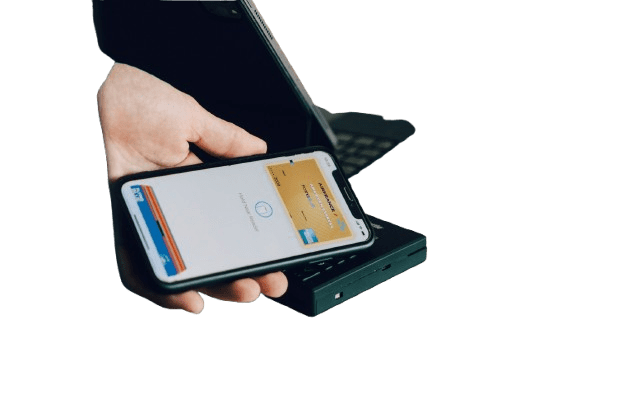
Best crypto exchanges in Kenya: Discover trusted platforms to buy Bitcoin with M-Pesa, low fees, and fast transactions.
Buying Bitcoin in Kenya has become one of the most searched topics as more Kenyans turn to cryptocurrency for investment, savings, and global transactions. With rising inflation, limited access to international payment systems, and the convenience of mobile money like M-Pesa, Bitcoin is emerging as a powerful financial alternative. Kenya’s tech-savvy youth and growing freelancer community are embracing crypto as a way to receive payments, preserve value, and participate in the global digital economy. From Nairobi to Mombasa, more people are learning how to trade, store, and spend Bitcoin securely, making Kenya one of the leading crypto adoption hubs in Africa.
What to Look for in a Crypto Exchange in Kenya
When choosing the best crypto exchange in Kenya, focus on features that matter for safety, convenience, and cost friendly.
Below are the key factors every Kenyan buyer should consider before starting the process.
1. M-Pesa / Local payment support (first priority)
If you live in Kenya, pick an exchange that accepts M-Pesa (Safaricom) either via direct Paybill/payments or through a trusted P2P marketplace. Platforms that integrate M-Pesa make deposits and withdrawals instant and familiar for most Kenyans. Binance P2P, Yellow Card, and Remitano all list dedicated M-Pesa/KES flows or P2P lanes for Kenyan users. Binance P2P+2Yel
Tip: P2P trades let you pay directly from your M-Pesa account to a seller’s M-Pesa; always use escrow-enabled platforms to avoid fraud.
2. Security: custody model, insurance, and 2FA
Check whether the exchange stores funds in cold wallets, offers withdrawal whitelists, enforces strong KYC for big trades, and supports two-factor authentication (2FA). Reputable exchanges publish security practices and have incident histories you can look up; prefer platforms with a track record of safe operations and transparent policies. (See platform pages and community reviews before committing.) Bitcoin+1

3. Fees, spreads and real cost of buying
Look beyond headline trading fees — compare spreads (seller markup) on P2P offers, deposit/withdrawal fees for M-Pesa or bank transfers, and any conversion fees (KES → USDT/BTC). Some platforms advertise low trading fees but have wider P2P spreads; others charge small commissions but offer tighter prices. Always do a small test buy to measure the true cost. Binance P2P+1
4. Liquidity and speed (how fast you’ll get BTC)
High liquidity reduces slippage and lets you buy/sell at advertised prices. Centralized exchanges and large P2P marketplaces usually have many active offers, which is important if you need to convert large amounts quickly. For instant needs, platforms with active Kenyan orderbooks or many local sellers (Binance P2P, Remitano, Yellow Card) are helpful. Binance P2P+1
5. KYC, limits and compliance
Exchanges differ in identity requirements. KYC adds friction but improves dispute resolution and security — and may be legally required for higher limits. Check withdrawal limits, verification tiers, and whether the platform follows local/regional compliance practices. Kenyan Wall Street+1
6. Reputation, reviews and local community trust
Search for user reviews, community threads, and recent news. Local adoption stories and reporting (e.g., on Bitcoin usage in Nairobi communities) can give context on how widely used and trusted a platform is in Kenya. Use community-rated sellers on P2P platforms and prefer higher-rated counterparties. AP News+1
7. Customer support and dispute resolution
Good customer support and reliable escrow/dispute mechanisms are crucial for P2P trades. Check whether the exchange offers responsive local support channels (chat, email, ticketing) and clear dispute policies. Platforms that document Paybill/Paybill payment steps or have dedicated Kenyan help pages are preferable. Remitano+1
8. Ease of use — mobile app & UX
Most Kenyan users prefer mobile apps. Test the app UX, how deposits/withdrawals are handled, and whether onboarding (KYC, linking M-Pesa) is straightforward. Yellow Card and Binance both offer mobile-friendly flows for African markets. Yellow Card Financial+1
9. Supported coins & on-ramps (BTC vs stablecoins)
Some Kenyan traders first buy USDT/USDC (stablecoins) because they’re easier to trade locally, then convert to BTC. If you plan to trade altcoins later, check the exchange’s list of supported tokens and conversion paths. Cryptomus+1
10. Local features: Paybill, merchant widgets, APIs
If you run a business or want recurring buys, look for exchanges offering Paybill numbers, merchant widgets, or APIs that support automated flows in KES. Yellow Card advertises local payment widgets for African markets. Yellow Card Financial.
Top Crypto Exchanges in Kenya
1. Binance
What it is & key features
Binance is one of the largest global cryptocurrency exchanges, and it offers a P2P (peer-to-peer) marketplace that supports M-Pesa payments in Kenya. Binance+2JuaTech Africa+2 .
It allows users to buy Bitcoin (BTC) and other assets directly from other users, using Kenya Shillings (KES) via M-Pesa, often with zero transaction fees on Binance P2P trades. Binance+1
How it works for someone in Kenya
- You sign up & complete identity verification (KYC).
- You find sellers advertising BTC (or other cryptos) who accept M-Pesa.
- When you initiate a buy, the crypto is held in escrow until you confirm you’ve paid via M-Pesa. Binance Academy+1
- After confirmation, the seller releases the crypto.
Pros
- Very good liquidity, many active offers.
- Zero or very low fees in many cases, especially for P2P (makers/takers or zero fees for takers in some offers). Binance+2BitKE+2
- Strong reputation and security measures (escrow, ratings, support).
- Localised options: deals denominated in KES; local payment (M-Pesa).
Cons / risks
- Offers’ spreads (price above market) may be higher from some sellers. So total cost could be non-trivial.
- KYC and verification processes may take time.
- If the seller is slow or unresponsive, the trade can be delayed. Always check seller rating & completion rates.
2. Yellow Card
What it is & key features
Yellow Card is a crypto exchange designed for Africa, intended to simplify buying/selling cryptocurrencies for beginners. It supports local currencies and local payment methods (often mobile money). It has a mobile-friendly interface and aims to make crypto accessible.
What users report
- Some users find the UI easy and transactions fairly smooth. Starevaluator
- However, there are also negative reviews especially around customer support and withdrawals/delays. Some users report trouble with withdrawals or funds taking long to process. Trustpilot+2Trustpilot+2
Pros
- Good for beginners, especially if all you want is a simple way to buy Bitcoin or other cryptos with local payment methods.
- Local infrastructure & focus, which means support for KES and easier integration with Kenyan bank/mobile money systems.
Cons / risks
- Customer support issues can cause frustration.
- Withdrawal or verification delays for some users.
- Possibly fewer coins / features compared to bigger global exchanges.
3. Paxful
What it is & key features
Paxful is a pure peer-to-peer marketplace for buying/selling Bitcoin (and some other cryptos) using over 300 payment methods globally. In Kenya, you can use methods like M-Pesa, mobile money, bank transfers, gift cards etc. Obimama+2JuaTech Africa+2 It also has a mobile wallet app that supports trading and sending/receiving Bitcoin. Business Times Kenya+1
Escrow is a key part of Paxful’s system, to protect buyers or sellers until both parties fulfill their side of the trade. Obimama+1
Pros
- Very flexible payment methods. If you don’t have M-Pesa, you might find another method acceptable.
- Because of P2P model, potential to find better price if you shop around.
- Gives options and control to users.
Cons / risks
- Higher risk of running into fraudulent or problematic sellers. Some Kenyans report scam attempts. Checking seller ratings and feedback is very important. Reddit+1
- Often users must spend more time verifying and ensuring trust before trading.
- Possibly fewer features, more manual work than centralized exchanges.
4. Remitano
What it is & key features
Remitano is another peer-to-peer crypto platform with escrow, swap functionality, and fairly strong regional support. It supports buying and selling Bitcoin and other popular cryptocurrencies using local fiat currencies, including KES. It features KYC, 2FA, and multiple altcoins/socket trades. forexassociation.co.ke+1
Key features include:
- Escrow-protected P2P trades. forexassociation.co.ke+1
- Swap service (for quick exchange between cryptos).
- Support for several fiat currencies including KES in its P2P fiat markets. developers.remitano.com+1
- Good UI, mobile app, and 24/7 customer support in many cases. FXEmpire+1
Pros
- More options for those who want both P2P and swapping.
- Transparent fees for many actions.
- Local currency support (KES), making deposits and withdrawals easier.
Cons / risks
- Security concerns raised in the past (e.g. hack in 2023) and critiques over proof of reserves. FXEmpire
- Some advanced features are missing compared to big centralized exchanges.
- Variable liquidity depending on region; sometimes fewer sellers or offers in KES for certain cryptos.
5. LocalBitcoins (and Alternatives)
What happened with LocalBitcoins
- LocalBitcoins, for many years a popular P2P BTC marketplace, has shut down its crypto exchange/trading service. Kenya Talk
- Users are no longer able to trade on LocalBitcoins; existing users were advised to withdraw funds. Kenya Talk
Alternatives to LocalBitcoins
Given its shutdown, here are platforms people in Kenya are using instead:
- Binance P2P (as described above)
- Remitano — modern P2P with escrow and fiat support including KES
- Paxful — if you accept the risk & take precautions
- Other local P2P apps/wallets that may have BTC trade support (depending on region)
Recommendations (for your readers)
To help your audience decide, you might include a comparison table like this:
| Platform | Best For | Entry Barrier | Safety / Risk | Fee Level | Payment Methods |
| Binance P2P | Users who want reliability, zero fees on some trades, strong reputation | Moderate (KYC, find trustworthy sellers) | High, with escrow & ratings | Low-0% in many cases | M-Pesa, bank transfer etc. |
| Yellow Card | Beginners wanting simple UI & local support | Low | Medium (depend on support) | Moderate | Local mobile money / banks etc. |
| Paxful | Experienced P2P users who can assess risk | Moderate-high (due to risk) | Variable – depends on seller | Can be good, but hidden/remove costs possible | Many methods, including some less common ones |
| Remitano | Users wanting swap + P2P + KES support | Moderate | Fairly good | Transparent, sometimes higher than zero-fee offerings | KES, fiat methods, swap etc. |
| Alternatives after LocalBitcoins | Those needing P2P but LocalBitcoins no longer available |
Step-by-Step: How to Buy Bitcoin with M-Pesa
1) Choose a trustworthy exchange or P2P platform
Pick a platform that supports M-Pesa (direct Paybill/Till or P2P). Good options include large exchanges with P2P lanes or African-focused apps. Look for: escrow protection, seller ratings, KYC procedures, and clear payout instructions.
Quick tip:
Search for “Binance P2P M-Pesa”, “Remitano M-Pesa”, or the platform’s Kenya support page to confirm current payment methods.
2) Create and verify your account (KYC)
Sign up using your email and create a strong password. Most reputable platforms require identity verification (KYC) before you can trade — upload your national ID or passport and a selfie if asked.
Why KYC matters: it raises your trading limits, enables dispute resolution, and reduces fraud risk.
3) Set up security: enable 2FA and check withdrawal settings
Turn on Two-Factor Authentication (2FA) (Google Authenticator or SMS where supported). Add a withdrawal whitelist (if available) so funds can only be sent to approved addresses.
Security checklist:
- Unique password (not reused)
- 2FA enabled
- Email alerts on withdrawals
- Use a hardware/non-custodial wallet for long-term BTC storage
4) Find a reputable seller who accepts M-Pesa
On P2P marketplaces: search for sellers who list KES / M-Pesa as a payment method. Filter by:
- High completion rate (e.g., >95%)
- Many trades and positive reviews
- Reasonable price close to market rate
Read the seller’s trade terms before starting. Some sellers require specific M-Pesa payment methods (Paybill vs Till vs person-to-person).
5) Start the trade and follow platform instructions exactly
Initiate the buy order and enter the amount in KES or BTC. The platform will lock the seller’s crypto in escrow — do not send M-Pesa before the trade is initiated and escrow is active.
Typical flow:
- The buyer clicks “Buy” and the platform places crypto in escrow.
- The platform shows the seller’s payment instructions (e.g., Paybill number, account name, or seller’s phone).
- Buyer makes M-Pesa payment exactly as instructed (include any reference or receiver details).
- Buyer uploads proof if asked (screenshot of M-Pesa confirmation).
- Seller confirms receipt and releases crypto from escrow.
Important: never send money outside the platform’s instructions (e.g., direct person-to-person without escrow) — that removes your protection.
6) Make the M-Pesa payment (correctly)
When paying:
- Double-check the Paybill/Till number and business name displayed on the platform.
- Enter the exact amount and the correct account/reference text the seller asks for.
- Save the M-Pesa receipt (screenshot or SMS confirmation).
Example actions (general):
- Open M-Pesa → Lipa na M-Pesa → Paybill or Send Money depending on seller’s instructions.
- Use the exact account name/reference shown on the exchange.
- Confirm the transaction and save the receipt.
7) Confirm payment and wait for seller release
After payment, follow the platform steps: click “I have paid” and upload your proof if required. The seller will verify your M-Pesa receipt and, if everything matches, release the Bitcoin from escrow.
If the seller is slow or disputes, use the platform’s dispute or support option — provide your M-Pesa receipt and screenshots of the chat.
8) Move your Bitcoin to a secure wallet (recommended)
Once the BTC is in your exchange wallet, move larger amounts to a private wallet you control (software wallet or hardware wallet) for safekeeping. Leaving large balances on exchanges increases risk.
Types of wallets:
- Custodial (exchange wallet) — convenient short-term
- Non-custodial mobile or desktop wallet — better control
- Hardware wallet — strongest security for long-term holdings
9) Keep records and practice good bookkeeping
Save the M-Pesa receipts, seller chat logs, and transaction IDs (TXIDs). These help in disputes and for tax/compliance purposes if required.
Safety Tips & Common Pitfalls (simple language)
- Always use escrow. If escrow isn’t used, you risk losing money.
- Do a test trade first. Start small (e.g., KES 500–1,000) to confirm the seller and process.
- Check the seller’s reputation. Look for a high completion rate and positive feedback.
- Never rush. Scammers pressure buyers to pay quickly and outside escrow.
- Match transaction details exactly. Wrong reference/account can cause delays or loss.
- Enable 2FA and withdraw to your own wallet. Don’t keep large amounts on exchange accounts.
Safety Tips for Kenyan Users – Avoiding Scams and Keeping Your Bitcoin Secure
As more people buy Bitcoin in Kenya using platforms like Binance, Paxful, and Yellow Card, scammers are also targeting new users. To stay safe, you must learn how to identify fraud, secure your funds, and ensure that your Bitcoin is secured.
These Bitcoin safety tips for Kenyan users will help you trade confidently and protect your digital assets.
1. Always Use Reputable Exchanges and P2P Platforms
The most important rule of crypto safety is to trade only on trusted and verified platforms. Reputable exchanges like Binance P2P, Remitano, or Yellow Card offer escrow protection, meaning your Bitcoin is held securely until the transaction is complete.
Why it matters:
Unverified Telegram or WhatsApp sellers often promise cheap BTC rates, but once you send M-Pesa, they disappear. Always check the platform’s URL (it should start with https://) and avoid links shared by strangers.
2. Beware of Fake Investment Schemes
Many fake websites and social media pages promise “double your Bitcoin” or “earn 10% daily.” These are classic crypto Ponzi schemes.
Red flags include:
- Promises of guaranteed profits (Bitcoin prices always fluctuate).
- Urgent requests for payment via M-Pesa or USDT.
- Lack of transparency — no company registration or team info.
What to do:
Before investing, search the company name + “reviews” or “scam” on Google. Check forums like BitcoinTalk or local Facebook groups for honest feedback.
3. Double-Check Every M-Pesa Payment
When buying Bitcoin via M-Pesa, always follow the platform’s official payment steps.
Fraudsters may send fake Paybill or Till numbers pretending to be legitimate sellers.
Tips for safe transactions:
- Use only the payment details displayed inside the exchange (not via text or DM).
- Confirm the business name that appears in your M-Pesa menu before sending.
- Never pay before the platform shows your trade is protected by escrow.
Keep screenshots of your M-Pesa confirmation messages and chat records in case you need to open a dispute.
4. Use a Secure Bitcoin Wallet
Once you buy Bitcoin, don’t leave it on the exchange for long. Move it to a secure Bitcoin wallet where you control the private keys.
Types of wallets:
- Hardware wallets (e.g., Ledger, Trezor): best long-term security, offline storage.
- Mobile wallets (e.g., Trust Wallet, BlueWallet): good for beginners and small amounts.
- Desktop wallets (e.g., Electrum): great for advanced users who manage their own keys.
Golden rule: “Not your keys, not your coins.”
If someone else controls your wallet keys (like an exchange or an app), they control your Bitcoin.
SEO keywords: secure Bitcoin wallet Kenya, best crypto wallet for Kenyans, Bitcoin storage safety.
5. Protect Your Personal Information
Scammers often use phishing — fake websites or emails that look real — to steal your login details.
How to stay safe:
- Always type the exchange’s official web address yourself.
- Never click on links from SMS, DMs, or random ads.
- Use 2-Factor Authentication (2FA) to add an extra layer of security.
- Don’t share your ID, OTPs, or screenshots of your wallet address publicly.
6. Keep Your Private Keys and Recovery Phrases Offline
Your private key or recovery phrase (seed phrase) is like the master key to your wallet.
If anyone gets access to it, they can steal all your Bitcoin instantly — and there’s no way to reverse the transaction.
Best practices:
- Write your recovery phrase on paper and store it in a safe place.
- Never save it on Google Drive, WhatsApp, or email.
- Don’t share it with anyone — even support staff will never ask for it.
7. Be Cautious on Social Media and WhatsApp Groups
Crypto discussions are active in Kenyan Telegram and WhatsApp groups, but many scammers pose as “brokers” or “account managers.”
How to stay alert:
- Avoid unsolicited offers or people asking you to send them Bitcoin.
- Verify admins on official exchange groups (look for verification badges).
- Report fake pages and block suspicious users.
8. Educate Yourself Before Investing
Knowledge is your best defense. Before trading Bitcoin, learn the basics of how wallets, blockchains, and P2P escrow work.
Follow trusted educational sources like Binance Academy, CoinDesk, or Kenyan crypto blogs.
SEO keywords: Bitcoin education Kenya, learn crypto trading Kenya, beginner crypto guide Kenya.
Final Thoughts: Stay Smart, Stay Safe
The Kenyan crypto market is growing fast, but so are online scams. If you want to buy Bitcoin in Kenya safely, always:
- Use verified exchanges with escrow,
- Protect your personal data,
- Store your coins in secure wallets, and
- Keep learning about digital safety.
With these Bitcoin safety tips for Kenyans, you’ll protect your money, your identity, and your peace of mind while building your crypto journey.
Frequently Asked Questions (FAQ) About Buying Bitcoin in Kenya Safely
1. Is it legal to buy Bitcoin in Kenya?
Yes. While the Central Bank of Kenya (CBK) does not regulate Bitcoin or other cryptocurrencies, it’s not illegal to buy, hold, or trade them.
Kenyans can safely buy Bitcoin using M-Pesa through trusted exchanges like Binance, Yellow Card, or Paxful.
However, always use secure platforms and avoid investment scams that promise guaranteed profits.
2. What’s the safest way to buy Bitcoin in Kenya using M-Pesa?
The safest method is through verified peer-to-peer (P2P) exchanges such as Binance P2P, Remitano, or Paxful.
These platforms use escrow protection, meaning the seller’s Bitcoin is locked until you confirm payment. This ensures no one runs away with your money.
Tips:
a) Trade only with verified users (look for green checkmarks).
b) Confirm the business name before sending M-Pesa.
c) Keep screenshots of all transactions.
3. How do I know if a Bitcoin seller is legit?
Before sending M-Pesa, always check the seller’s profile:
- Number of successful trades
- Feedback rating (choose 90%+ positive)
- Verification badge
Avoid private deals outside the platform — scammers often lure buyers with cheaper rates but no protection.
4. What’s the best wallet to store Bitcoin in Kenya?
For long-term storage, use a hardware wallet like Ledger Nano S Plus or Trezor — they store your Bitcoin offline, safe from hackers.
For beginners, mobile wallets like Trust Wallet, BlueWallet, or BitPay are easy to use.
Pro tip:
Always back up your recovery phrase on paper and store it in a safe place. Never share it online.
5. How can I avoid Bitcoin scams in Kenya?
Here’s how to stay safe:
- Don’t invest in “get-rich-quick” crypto schemes.
- Trade only through reputable platforms with escrow.
- Enable 2FA (Two-Factor Authentication) on your wallet or exchange.
- Ignore messages from strangers offering to sell Bitcoin privately.
If an offer sounds too good to be true — it’s probably a scam.
6. Can I withdraw Bitcoin to M-Pesa?
Yes, you can. Many exchanges like Binance and Yellow Card support Bitcoin-to-M-Pesa withdrawals.
You can either sell Bitcoin through their P2P marketplace or use an exchange feature that converts BTC to KES directly.
Steps:
- Log into your exchange account.
- Select “Sell BTC” or “Withdraw to M-Pesa.”
- Enter the amount and confirm.
Funds usually reflect in your M-Pesa account within minutes.
7. Is it safe to store Bitcoin on an exchange?
It’s safe for short-term trading, but not recommended long-term.
If the exchange gets hacked, you could lose your coins.
Instead, move your Bitcoin to a non-custodial wallet (where you control the private keys)
8. What should I do if I get scammed?
If you’re scammed while using M-Pesa, immediately:
- Contact Safaricom to report the transaction.
- File a report with the DCI (Directorate of Criminal Investigations) Cybercrime Unit.
- Share details of the scam on public crypto forums to warn others.
Unfortunately, Bitcoin transactions are irreversible, so prevention is key.
9. How can beginners start investing in Bitcoin safely?
Start small and focus on learning before investing.
Use apps like Binance Academy or CoinMarketCap Learn to understand crypto basics.
Avoid emotional trading — Bitcoin prices rise and fall naturally.
10. What are the signs of a fake crypto website?
Be cautious of:
- Websites without HTTPS (no padlock in URL)
- Unrealistic promises like “Earn 10% daily returns”
- No contact information or verified company name
- Fake testimonials or copied logos from real brands
Always double-check the domain name — scammers often create fake sites that look like Binance.com or Coinbase.com.