

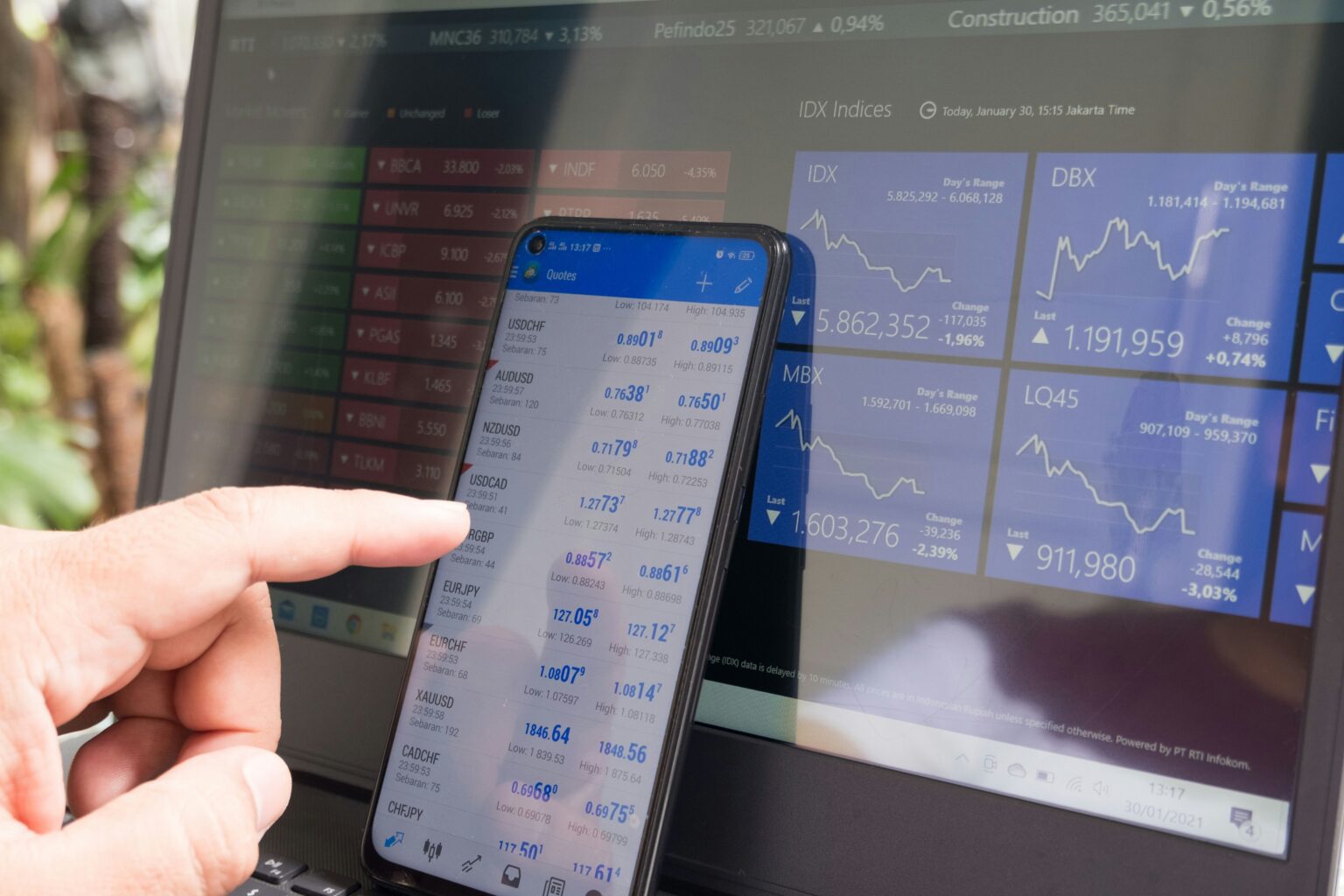
Forex trading in Kenya explained: Learn how to start, choose CMA-regulated brokers, trade with M-Pesa, and manage risks to profit safely in 2025.
Forex trading in Kenya has become one of the most popular ways for people to earn money online and build financial independence. Simply put, forex trading , short for foreign exchange trading, is the process of buying and selling global currencies like the US Dollar, Euro, or British Pound to make a profit. Traders earn money when the value of one currency rises or falls against another, depending on market movements.
In recent years, Kenya has seen a massive growth in forex trading, thanks to improved internet access, mobile banking through M-Pesa, and the rise of CMA-regulated forex brokers that make online trading safer and easier. Many young entrepreneurs, students, and professionals are now learning how to trade forex in Kenya as a side hustle or full-time income stream.
Unlike the past when trading required huge capital and complex tools, today you can start forex trading in Kenya with as little as Ksh 1,000, using your smartphone or laptop. Local and international brokers now provide user-friendly apps, demo accounts, and M-Pesa deposits, making it simple even for beginners to start learning and practicing without risk.
However, while forex trading offers great opportunities, it also comes with financial risks that require knowledge, discipline, and the right strategy. That’s why understanding the basics, choosing a trusted forex broker in Kenya, and learning proper risk management are the keys to success in this fast-growing online market.
Is Forex Trading Legal in Kenya?
Yes , forex trading in Kenya is legal, but only when you trade through firms that are licensed and regulated by the Capital Markets Authority (CMA). Trading with unlicensed platforms exposes you to heavy risk and little legal protection. licensees.cma.or.ke+1
What the CMA does (why regulation matters)
The Capital Markets Authority (CMA) is Kenya’s capital markets regulator , it writes down the rules, issues licenses, monitors broker behaviour, and enforces investor protection measures for online foreign-exchange and CFD trading. The CMA’s regulatory framework requires firms that want to offer forex products to comply with strict operational, reporting, and client-protection standards so markets stay fair and orderly. This is the backbone that makes forex trading in Kenya lawful and safer for local traders. cma.or.ke+1
What makes a broker “legal” / CMA-licensed (practical checklist)
When you see a broker claiming to be legal in Kenya, a CMA-licensed broker should typically meet all of the following standards. Think like a trader verifying a partner – these are the red flags and green flags:
Green flags (must-have):
- Listed on the CMA licensees register : the fastest check: search the CMA licensees page for the firm name or license number. If it’s not there, it is not CMA-licensed. licensees.cma.or.ke
- Local legal entity / local office/address : CMA requires a local presence for many license categories so regulators can supervise and investors can seek redress. licensees.cma.or.ke
- Clear client-money safeguards : segregation of client funds from company operating funds, and clear statements on how client money is protected. Regulated brokers must have transparent custody arrangements. cma.or.ke
- KYC / AML procedures : formal Know-Your-Customer checks and anti-money-laundering controls (this is mandatory for regulated entities). cma.or.ke
- Public disclosure & audited reports : regulated firms publish periodic reports or are required to provide audited accounts and regulatory filings. cma.or.ke
- Formal client agreement and complaints process : a proper client agreement, dispute resolution steps and a CMA contact route (so you can escalate complaints). licensees.cma.or.ke
Red flags (avoid these):
- No CMA license number or license not found on the CMA website.
- No physical Kenyan address or no local company registration.
- Promises of guaranteed returns or very high fixed profits.
- Difficulty withdrawing funds or long unexplained delays.
- Pressure to deposit via non-traceable channels or via dishonest intermediaries.
CMA itself warns investors to avoid unlicensed online forex entities because such platforms may leave you unprotected. cmarcp.or.ke
Examples – brokers that appear on the CMA register
Several well-known global brands have obtained CMA approval for local operations (or local legal entities are listed on the CMA site). Examples shown on the CMA licensees list includes Pepperstone Markets Kenya Limited, Exinity Capital East Africa (FXTM), EGM Securities (FXPesa), Scope Markets, and others , but note that the exact roster changes as the CMA grants or revokes licenses, so always verify the live CMA register before opening an account. licensees.cma.or.ke+1
Trader’s perspective: why trading with a CMA-licensed broker matters
As a trader I always treat regulation as my first risk control – regulation doesn’t eliminate risk, but it changes the odds in your favour:
- Withdrawals and deposits are more reliable when a broker must follow client-money rules. Many Kenyan traders also prefer CMA brokers because they support local funding methods (for example M-Pesa rails through local partners), which simplifies deposits and withdrawals. licensees.cma.or.ke
- Dispute resolution is possible. If a regulated broker breaks rules, you can file a complaint with the CMA – with unlicensed platforms you usually have no local recourse. cma.or.ke
- Transparency and audits give you visibility into how the broker runs its business; this lowers the chance of being subject to fraud or “platform manipulation.” cma.or.ke
How to verify a broker right now (step-by-step)
- Go to the CMA licensees page and search the broker name or license number. If it’s listed, click the entry for details. licensees.cma.or.ke
- Confirm the legal name (e.g., “Pepperstone Markets Kenya Limited” vs a global brand name). Beware of clones that use similar names. licensees.cma.or.ke
- Ask the broker for their CMA license number and proof of local registration , request scanned regulatory filings or direct CMA links.
- Check for client fund segregation statements in their terms and conditions and ask how local deposits (e.g., M-Pesa) are handled. licensees.cma.or.ke
- Search for CMA warnings or regulatory actions against the broker (CMA publishes cautionary notices). If the CMA has issued a warning about the firm, walk away. cmarcp.or.ke+1
How to Start Forex Trading in Kenya (Step-by-Step Beginner’s Guide)
Forex trading in Kenya has become more accessible than ever, especially with the growth of CMA-regulated brokers and the convenience of M-Pesa deposits. Whether you’re a beginner or looking to improve your skills, this step-by-step guide will help you start trading safely, confidently, and profitably.
Step 1: Learn the Basics of Forex Trading
Before risking your money, it’s crucial to understand what forex trading is and how it works. Forex (foreign exchange) is the global market where currencies are bought and sold in pairs ,for example, USD/KES or EUR/USD.
There are two main ways to analyze the market:
- Technical analysis: studying price charts, trends, and indicators such as moving averages or RSI to predict future movements.
- Fundamental analysis: understanding how global events , like inflation, interest rates, or political news are affecting currency prices.
Pro Tip: Start with free resources from trusted forex education platforms or YouTube tutorials. Practice reading charts and identifying trends before trading live. The more you understand, the better your chances of success.
Step 2: Choose a Licensed and Trusted Forex Broker in Kenya
The most important decision you’ll make is choosing a CMA-regulated broker. This ensures your funds are protected and that you’re trading legally.
What to look for in a licensed broker:
- CMA license number (verify on the Capital Markets Authority website)
- User-friendly trading platforms such as MetaTrader 4 (MT4) or MetaTrader 5 (MT5)
- Low spreads and transparent fees
- Customer support in Kenya
- Local deposit options like M-Pesa
Top CMA-regulated brokers in Kenya include:
- FXPesa (EGM Securities)
- Pepperstone Markets Kenya
- Scope Markets Kenya
- Exinity Capital (FXTM)
Using a licensed broker is key to avoiding scams and ensuring smooth withdrawals through official channels.
Step 3: Open a Demo Trading Account
Once you’ve selected your broker, open a demo account – this is your training ground. A demo account lets you trade in real market conditions using virtual money, so you can practice without losing real cash.
Here’s what to do:
- Register on your broker’s website or mobile app.
- Choose a demo account option.
- Practice buying and selling currency pairs.
- Test different trading strategies and risk levels.
By spending time on a demo, you’ll learn how to use trading platforms, interpret charts, and control emotions before moving to live trading.
Step 4: Deposit Money Using M-Pesa
Once confident, you can move to a live account. The good news is that many forex brokers in Kenya support M-Pesa, making deposits and withdrawals fast and secure.
How to deposit via M-Pesa:
- Log in to your broker’s account dashboard.
- Select Deposit Funds → M-Pesa (Paybill).
- Enter the broker’s official paybill number.
- Specify the amount (e.g., Ksh 1,000–5,000 for a start).
- Confirm and wait for your trading balance to update.
M-Pesa is widely trusted because it’s instant, low-cost, and easy to track. Always confirm you’re sending funds to the broker’s verified paybill to avoid fraud.
Step 5: Start Small and Manage Risks
Many beginners lose money because they trade with large amounts too soon. The golden rule in forex trading in Kenya is: Start small, manage risk, and protect your capital.
Here’s how:
- Trade with 1–2% of your capital per trade.
- Always use Stop-Loss and Take-Profit orders to control losses.
- Avoid emotional trading – don’t chase losses or overtrade.
- Keep a trading journal to track what works and what doesn’t.
- Withdraw profits regularly – treat trading as a business, not a gamble.
Successful traders focus on long-term consistency, not instant profits. Patience, education, and discipline are your biggest assets in forex.
Bonus Tip:
To increase your chances of success, join online forex trading communities in Kenya, take CMA-approved training programs, and follow economic news from sources like Bloomberg or Investing.com. Knowledge is your best protection in the fast-moving forex market.
Best Forex Brokers in Kenya (CMA-Regulated) – Compare Minimum Deposits, Apps & Withdrawals
When choosing a broker for forex trading in Kenya, especially CMA-regulated brokers, it’s essential to compare features like deposit requirements, platform/mobile app usability, and withdrawal options. Below are detailed profiles of some of the most trusted brokers in Kenya.
1. Scope Markets Kenya
Regulation & Safety
- Licensed by the Capital Markets Authority (CMA), Kenya (license #123) as a non-dealing broker. TradersTrusted+2TradersTrusted+2
- Operates with segregated client funds in top Kenyan banks; supports KYC & AML compliance. TradersTrusted+1
Minimum Deposit
- The minimum deposit is about USD $100 or the equivalent in Kenyan Shillings. TradersTrusted+1
Platform & Mobile Apps
- Supports MetaTrader 4 (MT4) and MetaTrader 5 (MT5) for desktop, iOS, Android. TradersTrusted+1
- No proprietary platform at the Kenyan CMA entity, but solid mobile app/mobile responsive web support. TradersTrusted+1
Deposit & Withdrawal Options
- Accepts M-Pesa for both deposits and withdrawals, making it convenient for Kenyan traders. Deposits are processed instantly or within 24 hours. Withdrawals typically take 1–2 business days. TradersTrusted+1
- Also supports bank transfers, credit/debit cards. TradersTrusted+1
Other Key Features
- Offers leverage up to 1:400 for CMA-regulated clients. TradersTrusted+1
- Islamic (swap-free) accounts are available upon request. TradersTrusted+1
- Strong local support, educational webinars. TradersTrusted
Pros & Cons
| Pros | Cons |
| Local regulation (CMA), local funding via M-Pesa | Minimum deposit ($100) can be high for absolute beginners |
| MT4/MT5 platforms, decent spreads, swap-free options | Fewer non-forex instruments (e.g., limited stocks/crypto under Kenyan entity) TradersTrusted |
2. Pepperstone Kenya
Regulation & Safety
- Fully regulated by the CMA in Kenya. Pepperstone has a Kenyan entity and local oversight. Kenya Forex Firm+2Forex Brokers Kenya+2
- Also regulated by other top regulators (ASIC, FCA) in other jurisdictions, adding to trust. Forex Brokers Kenya+1
Minimum Deposit
- Officially, there is no strict minimum deposit required to open a standard Pepperstone account for Kenyan clients. Forex Brokers Kenya+2Kenya Forex Firm+2
- However, in practice, many begin with USD $10–200 (or equivalent in KES) to have enough margin and manageable risk. BrokerChooser+1
Platform & Mobile Apps
- Multiple platforms: MT4, MT5, cTrader, WebTrader, and strong mobile apps for Android & iOS. Forex Brokers Kenya+2Joon Online+2
- Good performance, reliable execution & technology reputation. SafeForexBrokers.co.ke+1
Deposit & Withdrawal Options
- Supports M-Pesa deposits and withdrawals for Kenyan traders. Joon Online+2TradeForexKenya.com+2
- Also accepts credit/debit cards and bank transfers. Withdrawal times often depend on method. SafeForexBrokers.co.ke+1
Other Key Features
- Leverage up to 1:400 under CMA regulation for eligible clients. Forex Brokers Kenya+1
- Offer a choice of account types (Standard, Razor), with Razor having tighter spreads + commission. Forex Brokers Kenya+1
- Local support in Nairobi, local office presence. Forex Brokers Kenya+1
Pros & Cons
| Pros | Cons |
| Very accessible for beginners (low min deposit), strong platforms, good technology | Some spreads & fees on certain account types; USD base currency often required (so currency conversion costs may apply) |
3. FXPesa / EGM Securities
Regulation & Safety
- FXPesa (operated by EGM Securities) is CMA-licensed. Local Kenyan broker with physical presence in Nairobi. Citizen Digital+2Brains With Concepts+2
Minimum Deposit
- The typical minimum deposit for certain accounts is USD $200 (or equivalent in KES) for full features. Some basic/live trading might allow lower amounts depending on account type. Citizen Digital+1
Platform & Mobile Apps
- Offers MetaTrader 4 (MT4) and their own proprietary platform for certain account types. Web and mobile app versions available. Citizen Digital+1
Deposit & Withdrawal Options
- Strong support for M-Pesa both ways (funding & withdrawal). This is one of FXPesa’s major selling points for Kenyan traders. Brains With Concepts+1
- Other methods include bank transfers and possibly cards depending on what the trader has access to. Citizen Digital
Other Key Features
- Offers multiple currency pairs (often 60+ forex pairs) under CMA license. Citizen Digital
- Local support, and localized features (payments in KES etc.) make FXPesa attractive to traders preferring local brokers. Citizen Digital+1
Pros & Cons
| Pros | Cons |
| Local broker, good integration with local payments (M-Pesa), CMA-regulated, easier for support & dispute resolution locally | Minimum deposit somewhat higher for some account types, and reports of occasional issues from users (slippage, customer support) — always check recent reviews before choosing |
4. Comparison Table: Key Features
Here’s a side-by-side comparison of these top brokers with respect to minimum deposits, mobile app/platforms, and withdrawal/deposit options (especially M-Pesa) for forex trading in Kenya.
| Broker | Minimum Deposit (Live Account) | Trading Platforms / Mobile Apps | Deposit/Withdrawal Options (Kenyan Focus) | Recommended For |
| Scope Markets Kenya | ~$100 or equivalent / KES | MT4 & MT5; good mobile & desktop support | M-Pesa, bank transfer, cards; withdrawals ~1-2 days; segregated accounts TradersTrusted+1 | Traders wanting local regulation and safety, moderate capital |
| Pepperstone Kenya | No fixed min; many start with ~$10–200 | MT4, MT5, cTrader, WebTrader, mobile apps | M-Pesa deposits & withdrawals, cards, instant funding | Beginners / active traders wanting low entry costs and global tech |
| FXPesa / EGM Securities | ~$200 typical for full features | MT4 & proprietary platforms, good mobile/web app | M-Pesa, bank transfers; strong local support | Traders who want a home-grown broker with local convenience |
Unique Differentiators among These Brokers (What Sets Them Apart)
To make your content stronger and more unique (SEO value), here are less common but important differentiators Kenyan traders often look for:
- Local office & physical presence: Pepperstone and FXPesa both have Nairobi offices — helpful for in-person verification or resolving disputes. Forex Brokers Kenya+1
- KES base currency / account equivalence: Some brokers allow deposits in KES, or convert seamlessly — reduces currency conversion loss. Scope Markets supports KES deposits. TradersTrusted+1
- Negative balance protection: Ensures you cannot lose more than your deposited capital. Scope Markets offers this under CMA regulation. TradersTrusted+1
- Islamic / swap-free account options: For traders observing Sharia law. Scope Markets, Pepperstone etc. provide swap-free options. TradersTrusted+1
4. Best Forex Brokers in Kenya
Forex brokers in Kenya play a major role in connecting traders to the global currency market. Choosing the right broker can determine your success, especially when it comes to security, withdrawals, and trading experience. The Capital Markets Authority (CMA) regulates forex trading in Kenya to protect investors from fraud and ensure brokers follow fair trading practices.
Below are some of the best CMA-regulated forex brokers in Kenya that offer reliable platforms, low deposits, and M-Pesa integration — perfect for both beginners and experienced traders.
1. Scope Markets Kenya
Scope Markets is one of the most trusted and fully CMA-licensed forex brokers in Kenya (License No. 123). It provides both beginner-friendly and professional trading platforms such as MetaTrader 4 (MT4) and MetaTrader 5 (MT5).
Key Features:
- Minimum Deposit: Ksh 2,000
- Deposit/Withdrawal Methods: M-Pesa, Bank Transfer
- Mobile App: Available for Android and iOS
- Spreads: From 1.2 pips
- Account Types: Standard and Pro
Why Traders Love It:
Scope Markets Kenya is known for fast M-Pesa withdrawals, local customer support, and transparent fees. Many Kenyan traders prefer it because they can start small and access educational webinars offered weekly.
2. FXPesa
FXPesa, a brand of EGM Securities, is another CMA-regulated broker that has become a household name in Kenya’s forex trading community. It is designed for traders who want instant M-Pesa transactions and a simple trading interface.
Key Features:
- Minimum Deposit: Ksh 500
- Deposit/Withdrawal Methods: M-Pesa, Airtel Money, Bank Transfer
- Mobile App: FXPesa App (User-friendly and lightweight)
- Spreads: From 1.4 pips
- Account Types: Executive and Premiere
Why Traders Love It:
FXPesa makes it possible to start forex trading in Kenya with very little capital, making it ideal for beginners. The broker offers free online courses, webinars, and a demo account where users can practice risk-free.
3. Pepperstone Kenya
Pepperstone is a globally recognized broker that also operates legally in Kenya under CMA regulation. It’s best known for ultra-fast execution speeds, tight spreads, and world-class customer service.
Key Features:
- Minimum Deposit: Ksh 5,000
- Deposit/Withdrawal Methods: M-Pesa, Visa, Bank Transfer
- Mobile App: MT4/MT5 Mobile
- Spreads: From 0.0 pips on Razor Account
- Leverage: Up to 1:400
Why Traders Love It:
Pepperstone Kenya attracts experienced traders who want advanced charting tools, AI-based trading insights, and excellent execution speeds — key for day trading or scalping.
Comparison Table: Best Forex Brokers in Kenya (2025)
| Broker Name | CMA Regulated | Minimum Deposit | Deposit Method | Mobile App | Best For |
| Scope Markets | Yes | Ksh 2,000 | M-Pesa, Bank | MT4/MT5 | Intermediate Traders |
| FXPesa | Yes | Ksh 500 | M-Pesa, Airtel | FXPesa App | Beginners |
| Pepperstone Kenya | Yes | Ksh 5,000 | M-Pesa, Visa | MT4/MT5 | Experienced Traders |
Real-Life Story: How a Kenyan Student Turned Forex into an Income Stream
In 2022, Brian, a 23-year-old university student from Nakuru, started learning about forex trading in Kenya using a demo account on FXPesa. After months of practice and watching YouTube tutorials, he deposited Ksh 1,000 using M-Pesa and began trading small positions. Within six months, Brian learned risk management and started earning Ksh 3,000–5,000 weekly.
What helped him most was choosing a CMA-regulated broker, attending Scope Markets’ free webinars, and using the Pepperstone demo to analyze charts. His story shows that with patience, education, and discipline, anyone in Kenya can start small and grow into a confident trader.
Final Thoughts
When choosing the best forex broker in Kenya, always confirm that the broker is CMA-licensed, supports M-Pesa deposits, and offers fair spreads. The right broker should also provide educational resources and strong customer support, especially if you’re just starting.
With regulated platforms like Scope Markets, FXPesa, and Pepperstone Kenya, traders can now access the global forex market safely and conveniently — right from their smartphones.
5. How to Deposit and Withdraw via M-Pesa
One of the biggest reasons forex trading in Kenya has become so popular is the convenience of using M-Pesa for deposits and withdrawals. With M-Pesa, traders can move money between their forex trading accounts and mobile wallets instantly — without needing a credit card or bank account.
Many CMA-regulated brokers in Kenya, such as Scope Markets, FXPesa, and Pepperstone Kenya, have fully integrated M-Pesa payment systems, making it easy for traders to fund their accounts and withdraw profits in just a few steps.
How to Deposit via M-Pesa
Depositing funds into your forex account using M-Pesa is fast, secure, and available 24/7. Here’s how to do it:
- Log in to your trading account (e.g., FXPesa, Scope Markets).
- Navigate to the “Deposit” or “Funds” section on your dashboard.
- Select M-Pesa as your payment option.
- You’ll see a Paybill number and Account number (usually your trading account ID).
- Open your M-Pesa menu on your phone → Lipa na M-Pesa → Paybill.
- Enter the broker’s Paybill number and your account number.
- Type in the amount (e.g., Ksh 1,000 or more).
- Confirm with your M-Pesa PIN.
In seconds, the funds will reflect in your trading account. Most brokers send an instant SMS or email confirmation once the deposit is successful.
How to Withdraw Forex Profits via M-Pesa
Withdrawing your forex profits is just as simple. Here’s the process:
- Log in to your broker’s trading dashboard or mobile app.
- Click on “Withdraw” or “Transfer Funds.”
- Choose M-Pesa as your withdrawal method.
- Enter the amount you wish to withdraw.
- Confirm the request.
Within a few minutes (sometimes instantly), your money is sent directly to your M-Pesa wallet. CMA-regulated brokers like FXPesa and Scope Markets typically process withdrawals during working hours, ensuring safety and accuracy.
Why M-Pesa is the Best Option for Kenyan Traders
Using M-Pesa for forex trading in Kenya has several advantages that make it the preferred choice for most local traders:
- Speed: Instant deposits and withdrawals — no long waiting periods.
- Accessibility: Works directly from your phone, even in remote areas.
- Low Minimums: You can deposit as little as Ksh 500, making it beginner-friendly.
- Security: Transactions are protected by Safaricom and your broker’s encryption.
- No Hidden Fees: Transparent charges that are lower than bank or card transfers.
This combination of convenience and security has made M-Pesa the lifeline of forex trading in Kenya — allowing even small traders to participate in the global market.
M-Pesa Transaction Limits
While M-Pesa is fast and reliable, traders should be aware of its transaction limits:
- Maximum per transaction: Ksh 150,000
- Daily limit: Ksh 300,000
- Maximum balance allowed: Ksh 500,000
If you need to deposit or withdraw higher amounts, you can make multiple transactions or use a bank transfer for large sums.
Real-Life Example
Mary, a 28-year-old trader from Eldoret, started forex trading with just Ksh 1,000 on FXPesa using M-Pesa. She loved how fast deposits reflected in her account — within seconds. As her confidence grew, she began earning small profits weekly and could withdraw her earnings instantly back to her M-Pesa wallet.
Mary’s thoughts:
“I love forex trading because I don’t need a bank account. I just use M-Pesa to trade and withdraw any time I want. It’s simple and convenient.”
Stories like Mary’s show why M-Pesa has become the backbone of forex trading in Kenya, giving everyone — from students to professionals — the ability to participate in the global financial markets.
Final Thoughts
M-Pesa has revolutionized how to trade forex in Kenya, providing fast, safe, and flexible money transfers between traders and brokers. Whether you’re depositing Ksh 500 or withdrawing profits, M-Pesa gives you total control and instant access to your funds.
When choosing a broker, always confirm that it’s CMA-regulated and supports M-Pesa payments — ensuring your money stays secure while you trade confidently.
6. Forex Trading Risks and Tips
Understanding Forex Trading Risks in Kenya
While forex trading in Kenya offers great potential for income, it also comes with real financial risks. Many beginners lose money not because the market is unfair, but because they don’t fully understand volatility, leverage, and emotional trading — three key factors that can make or break your trading journey.
Let’s explore these risks in detail and how to manage them effectively.
1. Market Volatility – The Double-Edged Sword
The forex market is one of the most volatile financial markets in the world. Prices can move up or down within seconds due to global news, economic events, or even political changes.
For example, if you trade the USD/KES pair, an unexpected rise in U.S. interest rates can make the dollar stronger — causing sudden losses if you were betting against it.
Tip:
1.Always use technical and fundamental analysis before entering a trade.
2.Avoid trading during high-impact news events unless you are experienced.
3.Never risk more than 2% of your total capital on a single trade.
2. Leverage – A Powerful but Dangerous Tool
Leverage allows you to control large trades with small deposits. For instance, with 1:100 leverage, a trader with Ksh 1,000 can open a trade worth Ksh 100,000. While leverage can multiply profits, it can also amplify losses just as quickly.
Tip:
1.Start with low leverage (1:10 or 1:20) as a beginner.
2.Trade only after testing strategies on a demo account.
3.Use brokers like Scope Markets or Pepperstone Kenya, which offer adjustable leverage and clear margin alerts.
3. Emotional Trading – The Silent Killer
Many Kenyan traders fail not because of bad strategies, but because of emotions like fear, greed, or revenge trading. After losing money, they try to “win it back” by taking bigger risks, which usually leads to more losses.
Tip:
1.Create a trading plan and stick to it.
2.Take breaks after major wins or losses to avoid emotional trading.
3.Keep a trading journal to track mistakes and improvements.
4. Essential Risk Management Tips for Kenyan Traders
To succeed in forex trading in Kenya, mastering risk management is more important than chasing profits. Here are proven strategies that successful traders use daily:
Use Stop Loss and Take Profit Orders
A stop loss automatically closes your trade when losses reach a certain point. This prevents small mistakes from becoming big ones.
Example:
If you buy EUR/USD at 1.1000, you might set a stop loss at 1.0950 to limit your loss to 50 pips.
Diversify Your Trades
Don’t put all your money in one currency pair. Try trading multiple pairs (like EUR/USD, GBP/USD, and USD/JPY) or even combine forex with other investments such as crypto or stocks.
Avoid Greed
Chasing unrealistic profits leads to risky decisions. Focus on consistent small gains rather than “get-rich-quick” trades.
Keep Learning
Follow market updates, read trading blogs, and take online forex courses. Knowledge is the best risk management tool.
How Poor Risk Management Can Hurt
Kevin, a 26-year-old forex trader from Nairobi, started trading in 2023 with Ksh 10,000. Excited by quick profits, he used high leverage (1:500) and ignored stop-loss rules. One day, a sudden USD/KES movement wiped out 80% of his account in minutes.
After the loss, Kevin took a break, joined free webinars by FXPesa, and learned about risk management. When he restarted trading with Ksh 5,000 and lower leverage, he began seeing consistent small profits.
His story shows that risk control is the real secret behind successful forex trading in Kenya.
Final Thoughts
Forex trading in Kenya is a profitable venture — but only for those who trade smart. Always remember: the goal isn’t to win every trade, but to protect your capital and grow it steadily.
By understanding market volatility, using controlled leverage, and managing emotions, you’ll stand out among traders who rely on luck. Whether you’re trading through M-Pesa or using global platforms, discipline and risk management are your most powerful trading tools.
Conclusion
Forex trading in Kenya has opened new doors for individuals who want to earn income online, build financial freedom, and take part in the global financial market. With CMA-regulated brokers, M-Pesa convenience, and low starting capital, almost anyone can begin their forex journey today.
However, it’s important to remember that forex trading is not a get-rich-quick scheme. The market is highly volatile, and without proper knowledge, risk management, and emotional control, traders can easily lose money. Success in forex trading requires patience, discipline, and continuous learning.
Before you invest real money, take time to learn the basics of forex trading in Kenya, understand how leverage works, and practice with a demo account. This allows you to trade in real market conditions without risking your capital — helping you gain experience safely.
Start small, stay informed, and always trade with CMA-regulated brokers that support secure M-Pesa deposits and withdrawals. With the right strategy, forex trading can become not just a source of income but a long-term skill that builds financial independence.
Start with a demo account today and learn safely before trading live.



[…] This is your training ground where you can build confidence, test strategies, and learn how the forex platform works before risking actual funds. https://dieterai.com/forex-trading-in-kenya-how-to-start-best-brokers-and-make-money-online-2025-gui… […]