
Future of Web3 is redefining the internet through blockchain technology, decentralization, and digital ownership. Discover how Web3 will change the internet, its benefits, use cases, and the future of online security, finance, and innovation.
Introduction
The Future of Web3 is one of the most talked-about topics in technology today. As the internet continues to evolve, Web3 powered by blockchain technology promises to revolutionize how people interact online, shifting from centralized platforms to a decentralized, user-owned ecosystem. But what exactly does this mean, and how will it change the internet as we know it?
To understand Web3, it’s important to look back at the internet’s journey. Web1 was the static, read-only era where users consumed information without interaction. Web2, which we use today, introduced social media, cloud services, and user-generated content. However, it also led to centralization, with a few corporations controlling most of the internet’s data and profits. Web3 aims to solve these challenges by creating a decentralized, transparent, and secure digital environment where users truly own their data and digital assets.
At the heart of this transformation is blockchain technology. Blockchain makes it possible to build trustless systems, smart contracts, and peer-to-peer applications without relying on intermediaries. This shift is not just technical—it carries massive implications for finance, digital identity, content creation, gaming, and even the future of online governance.
In this article, we’ll explore how Web3 will change the internet, its benefits, real-world applications, challenges, and predictions for the future. Whether you’re an investor, business owner, or everyday internet user, understanding Web3 is essential for preparing for the digital economy of tomorrow.

1. What is Web3? Understanding the Next Generation Internet
The term Web3 refers to the third generation of the internet, built on the foundation of blockchain technology and decentralization. Unlike the earlier versions of the internet, Web3 emphasizes user ownership, transparency, and trustless interactions. To fully grasp its significance, let’s briefly revisit the internet’s evolution.
- Web1 (1990s – early 2000s): Known as the “read-only” internet. Websites were static, and users could only consume content without interacting. Examples include early search engines and basic HTML pages.
- Web2 (2000s – present): The “read-and-write” era. This brought social media platforms, e-commerce, cloud services, and interactive content. While Web2 made the internet dynamic and user-driven, it also created centralized control, where companies like Google, Meta, and Amazon dominate and monetize user data.
- Web3 (emerging today): Often called the decentralized web or internet of value. It uses blockchain, smart contracts, and peer-to-peer networks to return power and ownership back to users. Instead of corporations holding your data, you control your identity, assets, and digital interactions.
Key Features of Web3
- Decentralization: No single entity controls the network.
- User Ownership: Digital assets, NFTs, and tokens belong directly to individuals.
- Trustless Transactions: Smart contracts allow secure peer-to-peer interactions without intermediaries.
- Token Economy: Incentives are built into the system, rewarding participation.
Web3 is not just a buzzword—it represents a paradigm shift in how the internet will function. From finance and entertainment to healthcare and education, its potential is vast and transformative.

Diagram showing Web1 static web, Web2 social web, and Web3 decentralized web.
2. The Role of Blockchain in Web3
At the heart of Web3 lies blockchain technology, which provides the foundation for decentralization, transparency, and digital ownership. Without blockchain, the vision of Web3 would not be possible. To understand how blockchain powers Web3, it’s important to break down its role and advantages.
1. Decentralization and Trust
Traditional Web2 platforms rely on centralized servers controlled by corporations. This creates single points of failure, censorship risks, and data monopolies. Blockchain in Web3 replaces central authorities with a distributed ledger across multiple nodes. This means no single entity owns or controls the system, making it more resilient, transparent, and censorship-resistant.
2. Smart Contracts: The Building Blocks of Web3
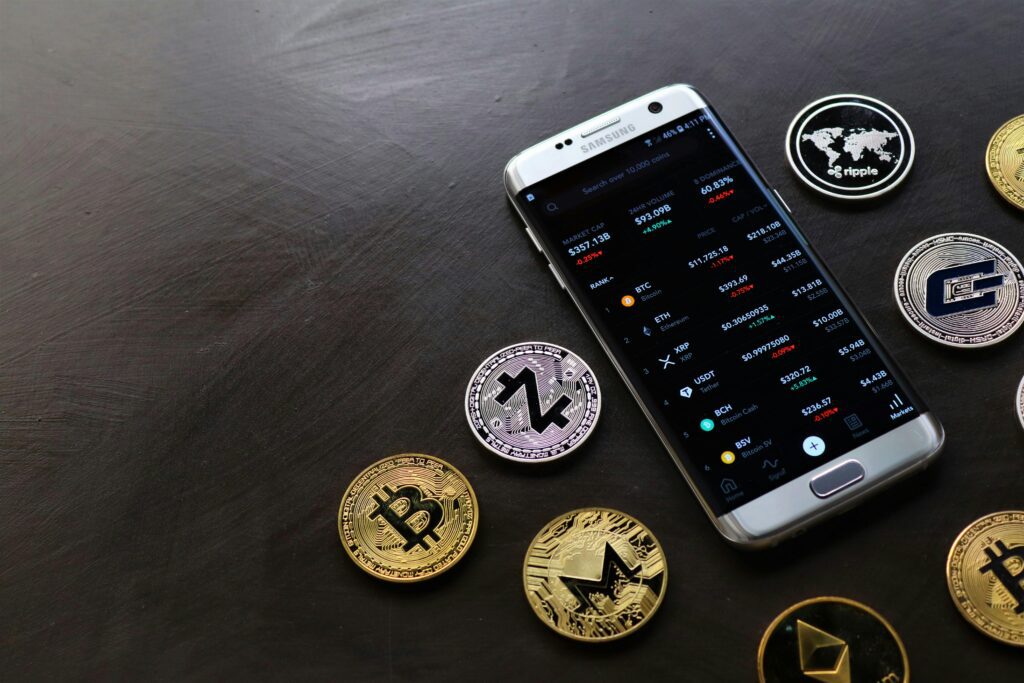
How Blockchain Powers Web3: Decentralization, Smart Contracts, and Tokenization.
Smart contracts are self-executing programs stored on a blockchain. They allow trustless transactions, meaning people can exchange value, services, or information without relying on banks, lawyers, or middlemen. This functionality powers decentralized apps (dApps) in areas like finance, gaming, healthcare, and content sharing.
3. Digital Ownership Through Tokenization
One of the most revolutionary aspects of blockchain in Web3 is tokenization. Assets such as money, art, music, land, or even identity can be represented as tokens on a blockchain. Users truly own their digital assets through NFTs (Non-Fungible Tokens) or cryptocurrencies, giving rise to new digital economies.
4. Transparency and Security
All blockchain transactions are recorded on a public ledger, making them auditable and tamper-proof. This transparency boosts trust, while advanced cryptography ensures strong data security. For Web3, this means an internet where fraud, manipulation, and data theft are significantly reduced.
5. Incentivized Participation
Blockchain introduces token economies, where users are rewarded for contributing to the network. Unlike Web2, where corporations profit from user engagement, Web3 redistributes value directly to the participants—whether through mining, staking, or contributing to decentralized platforms.
3. Key Benefits of Web3 for Users and Businesses
The future of Web3 is promising because it offers transformational benefits for both individuals and organizations. Unlike Web2, where power and profits are concentrated in a handful of corporations, Web3 redistributes value, ensures privacy, and unlocks new opportunities for innovation.
Here are the key benefits of Web3:
1. True Digital Ownership
- With blockchain and tokenization, users can own their data, digital assets, and online identities.
- NFTs and cryptocurrencies ensure that ownership is verifiable and transferable.
- This removes dependency on centralized platforms that can delete, censor, or monetize user content without permission.
2. Enhanced Security and Privacy
- Web3 leverages cryptographic encryption and decentralized networks to secure data.
- Users have greater control over personal information instead of giving it to corporations.
- This reduces risks of hacking, surveillance, and misuse of personal data.
3. Financial Empowerment Through DeFi
- Decentralized Finance (DeFi) platforms allow peer-to-peer lending, borrowing, trading, and saving without banks.
- Businesses and individuals gain faster, cheaper, and more inclusive financial services, especially in underserved regions.
- This expands access to the global digital economy.
4. New Business Models and Opportunities
- Web3 introduces token economies, rewarding users for engagement, creativity, or network participation.
- Content creators can earn directly from audiences without middlemen, thanks to blockchain-based monetization.
- Businesses can build dApps to serve global users with fewer operational costs and greater transparency.
5. Transparency and Trust
- Blockchain’s immutable ledger ensures every transaction is traceable and auditable.
- Businesses gain consumer trust, while users enjoy fairness and accountability.
- This creates an internet built on transparency, not hidden algorithms.
6. Interoperability and Innovation
- Web3 supports cross-platform integrations, meaning digital assets (tokens, NFTs) can move across applications seamlessly.
- This opens the door to global ecosystems spanning gaming, finance, healthcare, and education.

Key Benefits of Web3: Ownership, Security, DeFi, Transparency, and Innovation.
4. How Web3 Will Change the Internet as We Know It
How Web3 will change the internet comes down to one big shift: from platform-owned networks to user-owned protocols. Built on blockchain technology, Web3 replaces centralized databases with open, composable rails where identity, assets, and logic are portable across apps. Below is a deep dive into what actually changes—technically, economically, and experientially.
4.1 From Platforms → Protocols
- Open, programmable infrastructure: Core functions (payments, identity, storage) move from closed APIs to public smart-contract protocols anyone can build on.
- Composability by default: Apps can plug into the same on-chain standards (tokens, NFTs, credentials), accelerating innovation.
- Value accrual to users: Tokens and on-chain revenue sharing align incentives between builders and communities.
4.2 User Data Ownership & Portability
- Self-sovereign identity (SSI): Wallets, Decentralized Identifiers (DIDs), and Verifiable Credentials let you prove attributes without surrendering raw data.
- Single sign-on without Big Tech: “Sign in with wallet” replaces email/password and removes third-party data brokers.
- Portable social graphs: Follow lists, reputations, and communities can move with you across apps—no more starting from zero.

4.3 A Creator-First Internet
- Automatic revenue splits: Smart contracts pay collaborators instantly and transparently.
- Token-gated communities: Membership, access, and perks live on-chain (courses, events, premium content).
- True digital ownership: NFTs make media and in-game assets transferrable and provably scarce.
4.4 The Financial Layer Becomes Native (DeFi Everywhere)
- Programmable money: Subscriptions, escrow, royalties, and streaming payments run as code, 24/7.
- Global, permissionless access: Lending, trading, and savings work peer-to-peer—useful for underbanked markets.
- Composable fintech: Any app can embed payments, rewards, and credit without negotiating bank integrations.
4.5 Decentralized Infrastructure: Storage, Compute, and Naming
- Content addressing (not URLs): Files referenced by their hash improve integrity and resilience (think IPFS-style).
- Permanent, tamper-evident archives: Ideal for records, legal docs, and scientific data.
- Human-readable on-chain names: Decentralized naming replaces fragile DNS entries for identities & apps.
4.6 Privacy That Works for the Open Web
- Selective disclosure: Zero-knowledge proofs (ZK) let you verify facts (age, creditworthiness) without exposing details.
- Private transactions & compliance: Confidentiality and auditability can coexist, enabling enterprise and public-sector uses.
4.7 New Coordination Primitives: DAOs & Community Governance
- On-chain governance: Token holders vote on features, fees, and treasuries.
- Transparent treasuries: Grants, bounties, and budgets are visible and rules-based—trust the process, not the person.
4.8 Search, Discovery, and Indexing Go On-Chain
- Open indexing: Protocols can crawl and index blockchains and decentralized storage, reducing gatekeeper power.
- Reputation signals: On-chain activity (payments, contributions, attestations) becomes a new ranking layer for discovery.
4.9 Interoperability Across Apps and Chains
- Shared standards: Tokens and credentials move across wallets and apps.
- Cross-chain intent: Users express “what” they want and infrastructure routes it to “where” it can settle—UX becomes chain-agnostic.
4.10 What the Day-to-Day UX Looks Like
- Wallet-native onboarding: Seedless wallets and account abstraction enable recovery, spending limits, and familiar sign-in flows.
- Fewer passwords, fewer forms: Credentials auto-fill via proofs; payments settle instantly; refunds are programmable.
- Machine-to-machine commerce: IoT devices can pay each other for bandwidth, energy, or data in real time.
5. Web3 Applications and Real-World Use Cases (deep dive)
Web3 is already more than an idea — it’s powering real apps across finance, art, gaming, supply chains, identity, storage, insurance, governance and public services. Below are detailed use-case categories, how blockchain/Web3 makes each possible, concrete project examples, business lessons, and suggested images you can add to the article.
5.1 Decentralized Finance (DeFi) — programmable money
What it is & why it matters: DeFi replaces many traditional finance primitives (trading, lending, borrowing, stablecoins, derivatives) with smart-contracts and composable protocols. It makes financial services permissionless, global and programmable.
Real projects / examples: Uniswap (DEX / AMM), Aave / Compound (lending), MakerDAO (stablecoin governance). Uniswap’s AMM design and other protocols let users trade or lend without intermediaries.
Scale metric (why this is material): The size of the DeFi ecosystem can be tracked by TVL (Total Value Locked) — a key adoption indicator reported by aggregators.
Business lessons & cautions: great for permissionless innovation and new products, but smart-contract risk, regulatory uncertainty and UX (key custody/on-ramp friction) remain primary roadblocks. Use audited contracts, gradual liquidity provisioning, and clear documentation.
Suggested image: place a “DeFi stack / flow” diagram here (wallet → DEX / lending pool → smart contract → borrower/lender). Alt text: “Diagram showing wallet interactions with DeFi protocols such as Uniswap and Aave.”
5.2 NFTs & Digital Ownership — provenance, royalties, and creator economies
What it is & why it matters: NFTs make unique digital ownership verifiable on-chain. That enables scarcity, royalties, and direct-to-fan monetization for creators.
Real projects / examples: OpenSea (marketplace), Rarible, and creator platforms that support royalties and cross-chain trading. Marketplaces still lead primary market discoverability and secondary sales.
Use cases beyond art: ticketing, identity badges, tokenized real-world assets, licensing, and provenance for luxury goods.
Business lessons & cautions: focus on utility (access, gated content, royalties) instead of speculation-only drops. Be transparent about fees and cross-chain compatibility.
Suggested image: insert an NFT lifecycle graphic after this subsection showing mint → list → sale → royalty distribution. Alt text: “NFT lifecycle showing minting, marketplace listing, transfer, and automated royalty payouts.”
5.3 Gaming & the Metaverse — real ownership and interoperable assets
What it is & why it matters: Web3 enables play-to-own economies, where in-game assets are truly owned, tradable, and sometimes portable across games/virtual worlds.
Real projects / examples: Axie Infinity (play-to-earn), Decentraland and The Sandbox (virtual land + NFT economies). These platforms show both the promise (new revenue models for players/creators) and the risks (economics can be fragile; Axie’s story is a cautionary tale).
Business lessons & cautions: design sustainable tokenomics and avoid models that rely solely on continuous user inflow. Consider hybrid models (onchain ownership + offchain gameplay logic) for better UX and cost control.
Suggested image: a metaverse map showing land parcels, marketplaces and creator zones. Alt text: “Map of a blockchain metaverse showing virtual land, creator zones, and marketplaces.”
5.4 Supply Chain & Provenance — traceability and trust
What it is & why it matters: Blockchain provides tamper-evident records that improve traceability, reduce recalls, and increase consumer trust. It’s not about replacing databases, but adding an auditable layer for provenance.
Real projects / examples: IBM Food Trust (used by Walmart and others to trace produce and reduce trace times dramatically) and enterprise solutions like VeChain for product verification. Corporate pilots show measurable traceability gains when suppliers integrate data inputs reliably.
Business lessons & cautions: value comes from data quality at the source (IoT sensors, certifications) and multi-stakeholder onboarding. Permissioned ledgers or hybrid architectures often fit enterprise needs better than fully public chains.
Suggested image: a supply-chain trace flow (farm → scanner / IoT → blockchain ledger → retail). Alt text: “Supply chain traceability flow showing product scanning and on-chain provenance.”
5.5 Identity & Verifiable Credentials — self-sovereign identity (SSI)
What it is & why it matters: SSI and DIDs let individuals control identity data (credentials, attributes) and selectively disclose claims without handing over raw data to intermediaries. This enables privacy-preserving verification (age, diplomas, licenses).
Standards & examples: W3C’s DID and Verifiable Credentials specs are the foundation; Microsoft’s ION project is a high-profile implementation layering decentralized IDs on Bitcoin. Standards adoption is what will make identity practical and interoperable.
Business lessons & cautions: design for user recovery/UX (account abstraction, seedless wallets), privacy (ZK proofs for selective disclosure), and clear issuer trust frameworks for credentials.
Suggested image: a SSI diagram (issuer → holder wallet → verifier with selective disclosure). Alt text: “Diagram showing issuer, wallet holder, and verifier using verifiable credentials.”
5.6 Decentralized Storage & Compute — IPFS, Filecoin, Arweave
What it is & why it matters: Large files and archives don’t belong on blockchains — decentralized storage networks (IPFS, Filecoin, Arweave) provide content addressing, permanence options, and incentive layers for storage. Choose based on permanence, cost model, and retrieval speed.
Use cases: NFT metadata & media, archival of research data, tamper-evident records, and dApp asset hosting.
Business lessons & cautions: match storage type to need (temporary vs permanent), pin important content, and consider hybrid caching for UX.
Suggested image: a compare & choose table graphic (IPFS vs Filecoin vs Arweave) showing pros/cons and typical use cases. Alt text: “Comparison table of decentralized storage networks: IPFS, Filecoin, Arweave.”
5.7 Oracles & Real-World Data — Chainlink and secure inputs
What it is & why it matters: Smart contracts need trustworthy off-chain data — price feeds, weather, flight status, identity attestations — oracles bridge that gap. Chainlink is the most used oracle network and supports many real-world use cases (price feeds, verifiable randomness, external API data).
Use cases: DeFi price feeds, parametric insurance triggers, supply-chain events, and cross-system automation.
Business lessons & cautions: always use decentralized oracles and redundancy for critical data to avoid manipulation or single-point failures.
What it is & why it matters: DAOs enable token holders to vote on protocol upgrades, budgets, grants and governance decisions transparently. They’re being used for protocol governance, grants, treasury management and club/community coordination. Examples include MakerDAO, Uniswap governance and Aragon frameworks.
Business lessons & cautions: governance design matters (quorum thresholds, voter incentives) — poor governance can stall projects or centralize power in token-heavy holders.
5.9 Insurance, Risk & Parametric Products — automated payouts
What it is & why it matters: Web3 enables parametric (event-triggered) insurance and pooled on-chain risk sharing (example: Nexus Mutual for smart-contract cover; Etherisc for flight/parametric products). These lower admin costs and speed up claims.
Business lessons & cautions: integrate reliable oracles for triggers, ensure capital sufficiency for payouts, and work with regulators where necessary.
5.10 Enterprise & Public Sector — permissioned chains, CBDCs, land registries
What it is & why it matters: Enterprises and governments use permissioned frameworks (Hyperledger Fabric, Corda) for controlled blockchain applications (trade finance, private data sharing). Central banks are exploring/rolling out CBDCs (e.g., Bahamas “Sand Dollar” and many pilots globally) to modernize payments.
Business lessons & cautions: public vs permissioned tradeoffs, legal framework alignment, and citizen trust are critical. Many successful pilots exist but wide production rollout requires UX, regulation, and interoperability planning.
Implementation checklist for teams (practical)
- Define the value proposition (what on-chain immutability or tokens enable that off-chain can’t).
- Choose public vs permissioned chain based on transparency v. privacy.
- Select supporting layers: storage (IPFS/Filecoin/Arweave), oracles (Chainlink), identity (DIDs/VCs).
- Design tokenomics, governance and legal compliance together (don’t treat them as afterthoughts).
- Prioritize UX: seedless recovery, fiat on/off ramps, and clear user flows.
5. Web3 vs Web2: What’s the Difference?
Understanding the difference between Web2 and Web3 is essential to grasp how the internet is evolving. While Web2 is the internet we currently use daily—dominated by platforms, apps, and centralized services—Web3 represents a decentralized, blockchain-powered model where users own their data, assets, and digital identities.
5.1 Core Philosophy
- Web2: Built around platforms. Companies like Facebook, Google, Amazon, and Twitter own the infrastructure, host the data, and control the user experience. Users “pay” by giving up personal data, which is monetized through advertising and analytics.
- Web3: Built around protocols. Ownership shifts from corporations to communities. Blockchain-based networks enable open access, trustless interactions, and token incentives where users are stakeholders, not just products.
5.2 Technology Stack
- Web2 Tech Stack:
- Centralized servers (AWS, Google Cloud, Microsoft Azure)
- APIs controlled by private corporations
- Databases managed by third-party providers
- Traditional login methods (email, password, OAuth)
- Web3 Tech Stack:
- Blockchain networks (Ethereum, Solana, Polkadot) as the base layer
- Smart contracts to automate trustless interactions
- Decentralized storage (IPFS, Filecoin, Arweave) instead of centralized servers
- Crypto wallets (MetaMask, Phantom, Ledger) replacing usernames and passwords
- Tokenized incentives built into the protocols
5.3 Data and Ownership
- Web2: Data belongs to companies. For example, Facebook owns your posts, Google owns your search history, and YouTube can delete your videos. Users often have no say in how their information is used.
- Web3: Data is self-sovereign. Identities and assets are stored in crypto wallets controlled by users. A tweet-like post on a Web3 platform could remain yours forever—even if the app shuts down—since it’s recorded on-chain.
5.4 Monetization Models
- Web2: Platforms monetize primarily through ads and data mining. Creators earn through revenue-sharing programs, but the platform takes a significant cut. For example, YouTube retains up to 45% of ad revenue.
- Web3: Monetization happens through direct ownership and token economies. Creators can mint NFTs, launch DAOs, or receive micropayments directly from audiences. Smart contracts distribute payments instantly and transparently, often without intermediaries.
5.5 Governance
- Web2: Companies control decision-making. Rule changes, algorithm updates, or bans are unilateral and often opaque.
- Web3: Governed by DAOs (Decentralized Autonomous Organizations) where token holders can vote on platform policies, fees, and feature rollouts. Governance is transparent, auditable, and community-driven.
5.6 Security and Trust
- Web2: Security is based on centralized trust. If a provider is hacked (like Equifax or Facebook), millions of users’ data is compromised.
- Web3: Security relies on cryptography and consensus mechanisms (Proof of Work, Proof of Stake). While smart contract bugs exist, decentralization eliminates single points of failure.
5.7 User Experience
- Web2: Familiar, polished, and user-friendly. Platforms prioritize simplicity to onboard billions of users.
- Web3: Still evolving. Wallets, private keys, and gas fees can be confusing for beginners. However, innovations like account abstraction, gasless transactions, and social logins for wallets are making Web3 more accessible.
5.8 Real-World Example
- Web2 Social Media (Twitter/X): Your account, tweets, and followers belong to the platform. If Twitter suspends you, everything is gone.
- Web3 Social Media (Lens Protocol, Farcaster): Your posts, followers, and reputation live on-chain. Even if one app disappears, you can carry your content and community to another.
5.9 Side-by-Side Comparison Table
| Feature | Web2 (Today’s Internet) | Web3 (Future Internet) |
|---|---|---|
| Ownership | Companies own platforms and data | Users own identity, assets, and data |
| Infrastructure | Centralized servers (AWS, Google, Azure) | Decentralized blockchains and storage |
| Authentication | Email, passwords, OAuth | Crypto wallets and decentralized IDs |
| Monetization | Ads, data sales, revenue sharing | Tokens, NFTs, DAOs, direct micropayments |
| Governance | Centralized, corporate-controlled | Community-driven DAOs and token voting |
| Security | Vulnerable to hacks and single points of failure | Cryptographic, decentralized, resilient |
| UX | Simple and seamless | Complex today, but rapidly improving |
6. Benefits and Challenges of Web3
The future of Web3 promises a more open, user-owned internet — but real adoption depends on solving critical challenges like scalability, regulation, and security. Below is a deep dive into the benefits and hurdles shaping Web3’s growth.
6.1 Benefits of Web3
1. True Digital Ownership
Unlike Web2, where companies control data and assets, Web3 lets users own digital property directly through wallets and NFTs. For example, your in-game items, digital art, or identity credentials belong to you — not to a platform.
2. Programmable and Composable Finance
Web3’s financial layer, known as DeFi (Decentralized Finance), enables lending, trading, and payments without banks. Smart contracts automate processes like royalty payments, subscriptions, and streaming salaries.
3. Transparency and Auditability
Transactions are public, permanent, and tamper-proof. This builds trust in industries like supply chains, healthcare, and government, where verification is critical.
4. Aligned Incentives
Tokens reward users, developers, and communities. Instead of tech giants capturing value, users share in the upside.
5. Global Financial Inclusion
Web3 lowers barriers for people in unbanked regions, allowing them to access payments, savings, and lending through stablecoins and DeFi apps.
6. Decentralized Governance
DAOs (Decentralized Autonomous Organizations) allow communities to vote on decisions transparently. Power shifts from corporations to collective users.
7. Environmental Improvements
With Ethereum’s shift to Proof-of-Stake, energy consumption dropped by ~99.95%, showing that blockchains can scale more sustainably.
6.2 Challenges of Web3
1. Scalability and High Costs
Current blockchains process far fewer transactions per second than traditional systems, leading to high gas fees. Solutions like Layer-2 rollups are improving speed and lowering costs, but fragmentation across chains creates complexity.
2. Security Risks
Smart contract bugs, bridge hacks, and exchange breaches have caused billions in losses. Even with audits, vulnerabilities remain — requiring layered defenses like bug bounties, multisigs, and insurance.
3. Regulatory Uncertainty
Governments are still defining crypto rules. The EU’s MiCA regulation is a step forward, but many jurisdictions remain unclear. Builders must stay ahead of compliance to avoid enforcement risks.
4. Complex User Experience
Managing private keys, seed phrases, and gas fees can overwhelm beginners. Innovations like account abstraction and social recovery wallets aim to simplify onboarding.
5. Fragmentation and Interoperability
Dozens of blockchains and bridging systems exist, but many are incompatible. This slows mainstream adoption and introduces security risks.
6. Privacy Tradeoffs
Public blockchains are transparent, which can expose sensitive data. Zero-Knowledge Proofs (ZKPs) help balance privacy and compliance, but they are still evolving.
6.3 Balancing Promise and Reality
Web3’s benefits — ownership, inclusion, programmable money, and transparency — are groundbreaking, but adoption won’t be seamless. For Web3 to succeed, the industry must:
- Scale via Layer-2s and sidechains.
- Improve wallet UX and onboarding.
- Strengthen security with audits and insurance.
- Engage regulators to shape fair compliance.
If solved, Web3 could transform the internet into a system where users, not corporations, hold the power.
7. Challenges and Limitations of Web3 Adoption
While the future of Web3 is full of promise — offering decentralization, digital ownership, and new economic systems — its mainstream adoption faces significant roadblocks. These challenges and limitations must be addressed before Web3 can truly replace or integrate with today’s internet.
7.1 Scalability and Network Performance
- The problem: Most blockchains process far fewer transactions per second (TPS) compared to traditional systems like Visa or PayPal. For instance, Ethereum’s base layer can handle around 15–30 TPS, far below the scale needed for global adoption.
- Impact: Congestion leads to high gas fees, slow confirmations, and poor user experience — especially during peak usage.
- Attempts to solve it:
- Layer-2 scaling solutions (Optimistic Rollups, ZK-Rollups, Arbitrum, Polygon).
- Sharding and next-gen blockchains like Solana, Near, and Polkadot.
- Hybrid approaches like sidechains and app-specific blockchains.
- Limitation: These solutions add complexity (multiple chains, bridging risks) and are not yet seamless for non-technical users.
7.2 Security Risks and Vulnerabilities
- The problem: While blockchains are secure at the protocol level, applications built on top (DeFi, dApps, bridges) are frequent targets for hacks. Billions of dollars have been lost to exploits.
- Examples: Smart contract bugs (like re-entrancy attacks), rug pulls, and bridge hacks (cross-chain vulnerabilities).
- Challenges:
- Even audited contracts can contain flaws.
- Human errors like lost private keys are irreversible.
- Mitigation efforts:
- Formal verification, multi-sig wallets, bug bounties, and insurance protocols.
- Limitation: Security remains the #1 barrier to trust in Web3 adoption.
7.3 Regulatory Uncertainty
- The problem: Governments worldwide are still figuring out how to regulate cryptocurrencies, NFTs, DeFi, and DAOs.
- Examples:
- The EU introduced MiCA regulation to create clear rules for crypto assets.
- The U.S. remains divided, with the SEC and CFTC often clashing over jurisdiction.
- Impact on adoption:
- Startups fear enforcement actions.
- Traditional enterprises hesitate to adopt Web3 without legal clarity.
- Limitation: Until global regulatory frameworks mature, Web3 adoption will remain cautious and uneven.
7.4 Complex User Experience (UX)
- The problem: Onboarding is difficult. New users must set up wallets, manage seed phrases, understand gas fees, and navigate complex dApps.
- Example: A simple NFT purchase can involve multiple steps: wallet setup, token swap, bridging, and transaction confirmation.
- Improvements underway:
- Account abstraction (gasless transactions, smart contract wallets).
- Social recovery wallets (e.g., using trusted contacts to regain access).
- Fiat on/off ramps integrated directly into wallets.
- Limitation: UX improvements are still in early stages, preventing mass adoption among non-technical users.
7.5 Interoperability and Fragmentation
- The problem: Web3 ecosystems are fragmented across multiple blockchains (Ethereum, Solana, Polkadot, Cosmos, Avalanche). Assets and apps often don’t talk to each other natively.
- Risks: Bridges that connect blockchains are frequent targets for hacks.
- Limitation: Without seamless cross-chain communication, users face friction — and developers must build for multiple ecosystems, slowing adoption.
7.6 Economic and Tokenomic Sustainability
- The problem: Many Web3 projects rely on speculative token models that collapse once hype fades.
- Example: Play-to-Earn (P2E) games surged in 2021 but lost traction when token rewards became unsustainable.
- Limitation: Without real-world utility and sustainable incentives, many projects risk short lifespans, damaging trust in the Web3 ecosystem.
7.7 Privacy vs Transparency
- The problem: Public blockchains expose all transactions. While this creates transparency, it also raises privacy concerns for businesses and individuals.
- Solutions in progress: Zero-Knowledge Proofs (ZKPs) and selective disclosure.
- Limitation: These technologies are promising but still complex, resource-intensive, and not widely adopted yet.
7.8 Digital Divide and Accessibility
- The problem: Web3 assumes internet connectivity, smartphone access, and crypto literacy — luxuries not available to everyone.
- Impact: Without education and better infrastructure, Web3 adoption will be limited to tech-savvy and financially privileged groups.
7.9 Energy and Environmental Concerns
- The problem: Proof-of-Work blockchains like Bitcoin consume significant energy, raising environmental criticisms.
- Progress: Ethereum’s transition to Proof-of-Stake cut energy use by ~99.95%.
- Limitation: Not all blockchains have made this shift, and environmental concerns still shape public perception.
7.10 Cultural and Institutional Resistance
- The problem: Large corporations and governments benefit from centralized control and may resist a system that redistributes power to individuals.
- Impact: Pushback, lobbying, and policy delays could slow Web3’s progress.
8. Future Predictions: Where is Web3 Headed by 2030?
By 2030, Web3 and blockchain technology are expected to move far beyond early experimentation, shaping the internet, the global economy, and even how societies are governed. While challenges remain, the momentum of innovation, investment, and adoption makes it clear that Web3 will not just be a niche trend — it will likely be the foundation of the next-generation internet.
8.1 Mainstream Adoption of Decentralized Applications (dApps)
- Prediction: By 2030, dApps will rival traditional Web2 apps in usability and popularity. Users won’t necessarily know they are using blockchain; seamless UX will make Web3 invisible but integrated.
- Examples: Decentralized social media platforms replacing ad-driven models, decentralized streaming services paying artists directly, and on-chain marketplaces becoming the norm.
- Why it matters: Mass adoption will reduce dependency on tech giants and empower users with data ownership and revenue-sharing models.
8.2 The Rise of Decentralized Finance (DeFi) 2.0
- Prediction: DeFi will mature into a global financial backbone with tighter security, insurance protocols, and regulatory compliance.
- By 2030:
- Banks may integrate directly with DeFi platforms.
- Central banks could adopt CBDCs (Central Bank Digital Currencies) that operate on interoperable blockchain networks.
- Traditional assets (stocks, real estate, bonds) will be tokenized and traded on-chain.
- Impact: DeFi will unlock borderless finance, allowing billions of people without bank access to join the global economy.
8.3 Web3 in Governance and Digital Identity
- Prediction: Digital identities stored on the blockchain will replace centralized authentication systems (logins, government IDs).
- By 2030:
- Self-sovereign identities (SSI) will give individuals control over their credentials, health records, and professional history.
- Voting systems in local and national elections may run on blockchain, ensuring transparency and fraud resistance.
- Impact: Web3 could redefine citizenship, governance, and how societies build trust.
8.4 Mass Adoption of the Metaverse and Digital Ownership
- Prediction: By 2030, the Metaverse will no longer be a buzzword – it will become a functional digital economy powered by NFTs and blockchain interoperability.
- Use cases:
- Virtual real estate ownership with real-world value.
- Digital fashion, gaming assets, and cross-platform avatars.
- Businesses operating virtual storefronts.
- Impact: A new creator economy where users earn income from digital goods and services in immersive environments.
8.5 Web3 and Artificial Intelligence (AI) Integration
- Prediction: The intersection of Web3 and AI will create autonomous digital ecosystems.
- Examples:
- AI-driven DAOs (Decentralized Autonomous Organizations) managing businesses without centralized leadership.
- AI-powered smart contracts that adapt to real-time market conditions.
- Impact: This fusion could produce self-learning, decentralized systems that run more efficiently than human-controlled organizations.
8.6 Global Interoperability and Cross-Chain Internet
- Prediction: By 2030, blockchain fragmentation will decrease. Instead of competing ecosystems, we’ll see a unified “Internet of Blockchains.”
- Impact: Users will seamlessly move assets, identities, and data across chains, similar to browsing websites today.
- Examples: Polkadot, Cosmos, and future Layer-0 protocols leading this evolution.
8.7 Web3 as the Default for Business Models
- Prediction: Major corporations and startups alike will shift to Web3-based models to stay competitive.
- Examples:
- Supply chains fully transparent and auditable on blockchain.
- Music, film, and publishing industries paying creators instantly via smart contracts.
- Global gig economy platforms replacing intermediaries like Uber and Upwork with blockchain-based alternatives.
8.8 Regulatory Clarity and Mass Institutional Adoption
- Prediction: By 2030, most countries will have clear Web3 regulations, balancing innovation with consumer protection.
- Impact: This clarity will invite banks, Fortune 500 companies, and governments to build Web3-native services.
- Result: Web3 will shift from being a disruptor to becoming a core part of global infrastructure.
📌 Suggested Image:
- A timeline infographic showing milestones of Web3 from 2024 to 2030 (e.g., dApps adoption, DeFi maturity, CBDCs, digital identity, metaverse economy, AI-Web3 integration).
- Alt text: “Future predictions of Web3 by 2030, including decentralized apps, DeFi 2.0, blockchain governance, metaverse adoption, and AI integration.”
8.9 Summary: The Internet of 2030
By 2030, the future of Web3 points to a digital world where decentralization, transparency, and ownership are the norm. From finance and identity to governance and entertainment, Web3 will reshape every corner of the internet. While it may not fully replace Web2, it will integrate deeply enough to create a hybrid web where users finally regain control of their digital lives.
9. The Connection Between Web3, Cryptocurrency, and the Metaverse
The future of the internet is being shaped by three powerful forces: Web3, cryptocurrency, and the Metaverse. While they are often discussed separately, these technologies are deeply interconnected and together form the backbone of the next-generation digital economy.
9.1 Web3 as the Infrastructure Layer
- Web3 provides the foundation: It represents the decentralized internet built on blockchain technology.
- It defines the rules of how data, assets, and digital identities are owned, shared, and verified without relying on centralized corporations.
- Web3 makes it possible to have trustless, peer-to-peer systems, where users control their information and assets.
👉 Think of Web3 as the “operating system” that makes both cryptocurrencies and the Metaverse possible.
9.2 Cryptocurrency as the Financial Layer
- Cryptocurrencies are the native money of Web3.
- They serve as the medium of exchange, store of value, and incentive mechanism that fuels decentralized ecosystems.
- Use cases in Web3:
- Payments: Instant, borderless, peer-to-peer transactions.
- Incentives: Users earn tokens for contributing to networks (e.g., providing liquidity in DeFi, creating content on decentralized platforms).
- Governance: Tokens allow communities to vote on project decisions through DAOs (Decentralized Autonomous Organizations).
- Why it matters for the Metaverse: Cryptocurrencies enable the creation of fully digital economies inside immersive virtual worlds.
👉 Without cryptocurrency, the value exchange in Web3 and the Metaverse would rely on centralized intermediaries, defeating the purpose of decentralization.
9.3 The Metaverse as the Experience Layer
- The Metaverse is the interactive, immersive, and 3D environment where Web3 technologies come alive.
- It is powered by NFTs (Non-Fungible Tokens) and blockchain interoperability, ensuring digital ownership of assets such as avatars, land, or virtual goods.
- How Web3 and crypto integrate with the Metaverse:
- Ownership: Web3 ensures users truly own digital land, items, and identities.
- Economy: Cryptocurrencies act as the backbone of Metaverse marketplaces, enabling buying, selling, and trading.
- Interoperability: Assets move seamlessly across platforms (e.g., wearing the same NFT sneakers in different virtual worlds).
👉 The Metaverse represents the user-facing experience of Web3 — a digital society where blockchain and crypto power the economy.
9.4 The Digital Economy Triangle
To visualize their connection:
- Web3 = Infrastructure (rules and systems of decentralization).
- Cryptocurrency = Currency (financial tools and incentives).
- Metaverse = Experience (immersive, interactive digital environments).
Together, they create a self-sustaining digital ecosystem where users not only interact but also earn, own, and build.
9.5 Real-World Example: How They Work Together
- Imagine a Web3-powered Metaverse city:
- Users own plots of virtual land (NFTs).
- Transactions happen in cryptocurrency like ETH, MATIC, or Metaverse-native tokens (e.g., MANA, SAND).
- Governance decisions (e.g., building new features in the city) are made through a DAO, where token holders vote.
- All interactions (buying, selling, gaming, working) are validated by Web3 infrastructure.
This is not science fiction — projects like Decentraland, The Sandbox, and Otherside are already building these worlds, though still in early stages.
9.6 Summary
The connection between Web3, cryptocurrency, and the Metaverse is not optional — it is essential. Web3 provides the rules and trust layer, cryptocurrency powers the financial system, and the Metaverse delivers the immersive experience. Together, they form the blueprint for the future internet economy, where users are no longer passive consumers but active owners, creators, and participants.
10. Conclusion: The Future of Web3, Blockchain, Cryptocurrency, and the Metaverse
The future of Web3 is not just about technology — it’s about redefining how we experience the internet, how we exchange value, and how we connect as digital citizens. From decentralized finance (DeFi) and NFT-driven ownership to the immersive Metaverse economies, the shift from Web2 to Web3 represents one of the most significant technological revolutions since the creation of the internet itself.
Web3 offers a world where users own their data, creators get paid fairly, financial systems are borderless, and immersive digital spaces become the new marketplaces and communities. Yet, challenges such as scalability, regulation, and user experience must be overcome before mass adoption becomes a reality.
By 2030, we may see a hybrid digital economy where Web3, cryptocurrency, and the Metaverse merge seamlessly into everyday life — powering global trade, digital governance, and creative innovation. The winners will be those who embrace decentralization early, adapt to the new financial models, and explore opportunities in virtual worlds.
Are you ready for the shift? Whether you’re an investor, entrepreneur, or everyday internet user, now is the time to learn, build, and participate in the future of Web3.
- Stay updated on blockchain and Web3 trends.
- Explore opportunities in crypto and the Metaverse economy.
- Most importantly, start positioning yourself today for the internet of tomorrow.
The future of the internet is being written right now — and with Web3, you have the chance to be more than a user. You can be an owner, creator, and active participant in the next digital revolution.