

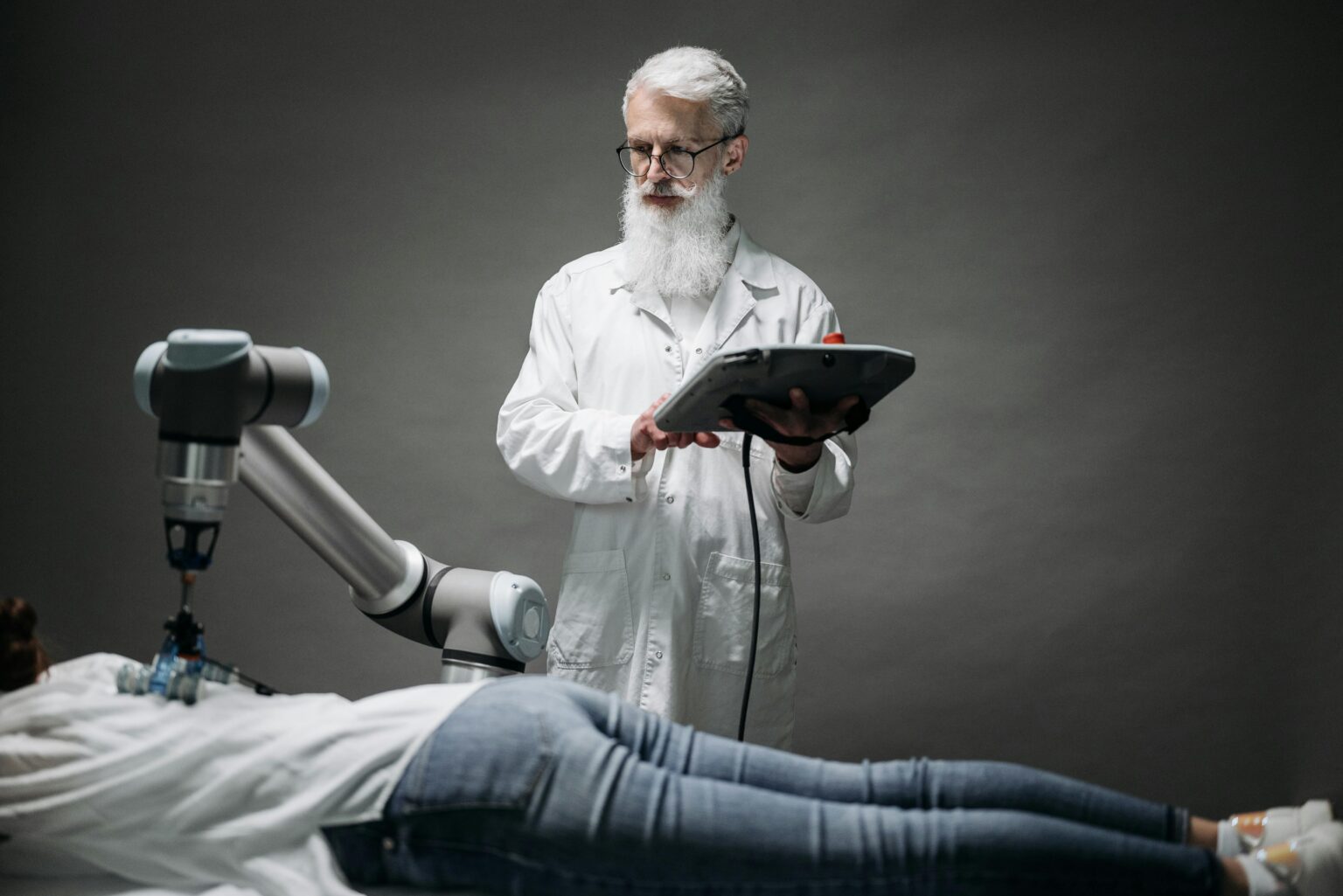
Discover how AI in healthcare enhances patient outcomes through early diagnosis, personalized treatment, predictive analytics, and precision care.
Introduction
Artificial Intelligence (AI) is no longer just a futuristic concept—it is already here, transforming industries worldwide. Among the sectors experiencing the most impact, healthcare stands out as one of the most exciting. From early disease detection to personalized treatment, AI in healthcare is improving patient outcomes by making medical care more accurate, efficient, and accessible.
The global healthcare industry faces significant challenges: an aging population, rising chronic diseases, staff shortages, and skyrocketing costs. According to a 2023 report by Accenture, AI applications could save the U.S. healthcare system up to $150 billion annually by 2026. This shows the immense potential of AI to not only reduce costs but also improve quality of care and patient survival rates.
In this article, we’ll explore the top ways AI in healthcare is improving patient outcomes, with real-world examples, statistics, and future predictions.
1. Early Disease Detection and Diagnosis
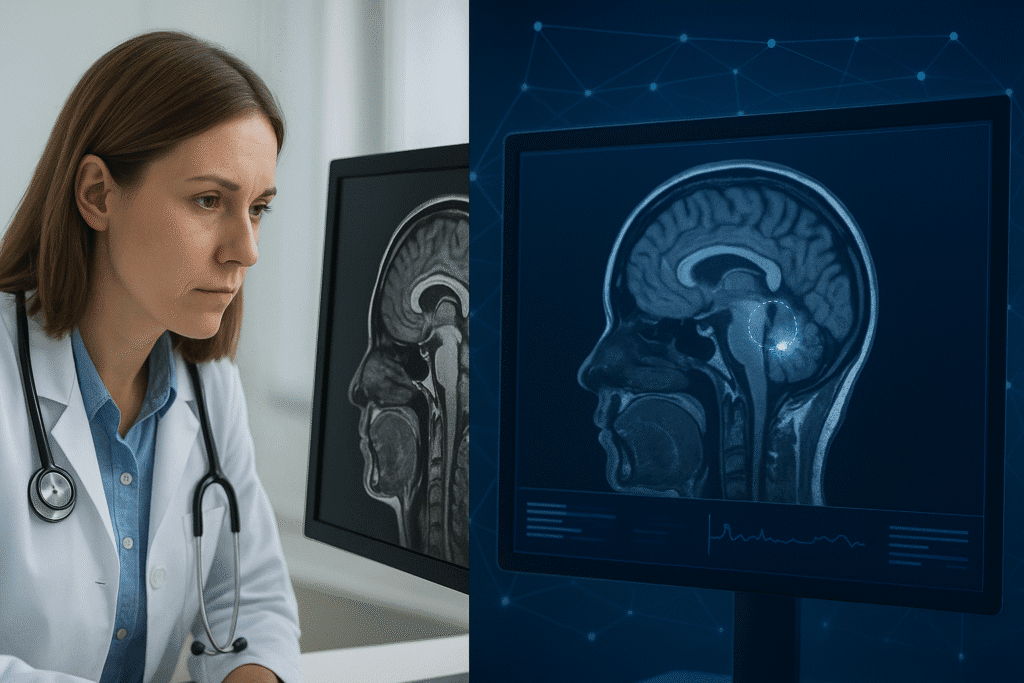
Early detection is one of the most effective ways to improve patient outcomes. AI-powered tools are capable of analyzing vast amounts of medical data to detect diseases earlier than traditional methods.
- Medical Imaging: AI systems such as Google’s DeepMind can analyze X-rays, CT scans, and MRIs with extraordinary precision. In one study, DeepMind’s AI reduced diagnostic errors for breast cancer by 11.5% compared to radiologists.
- Pathology: AI algorithms review biopsy slides to detect cancer cells faster than humans. Tools like PathAI are helping pathologists identify abnormalities more accurately.
2. Personalized Treatment Plans
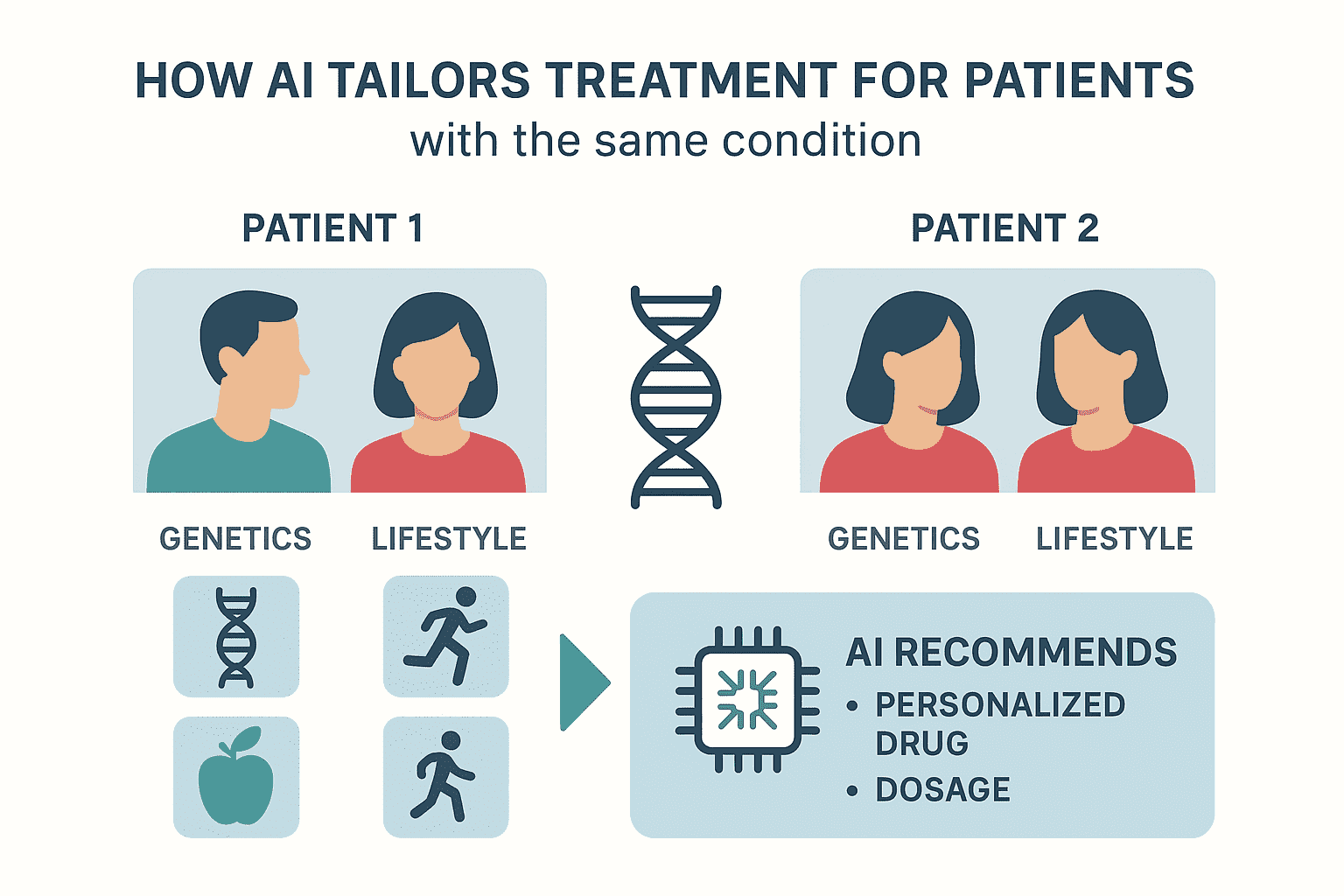
Every patient is unique, and treatments should be too. With AI, healthcare is moving away from one-size-fits-all approaches toward precision medicine.
- Genomics and Genetics: AI analyzes genetic profiles to predict how patients will respond to certain drugs. This helps doctors prescribe more effective medications with fewer side effects.
- Oncology: IBM Watson for Oncology uses AI to recommend personalized cancer treatment plans by analyzing patient records and global clinical data.
- Chronic Disease Management: AI platforms track patient lifestyle data—like diet, sleep, and exercise—from wearables to design tailored care plans.
3. Predictive Analytics and Preventive Care
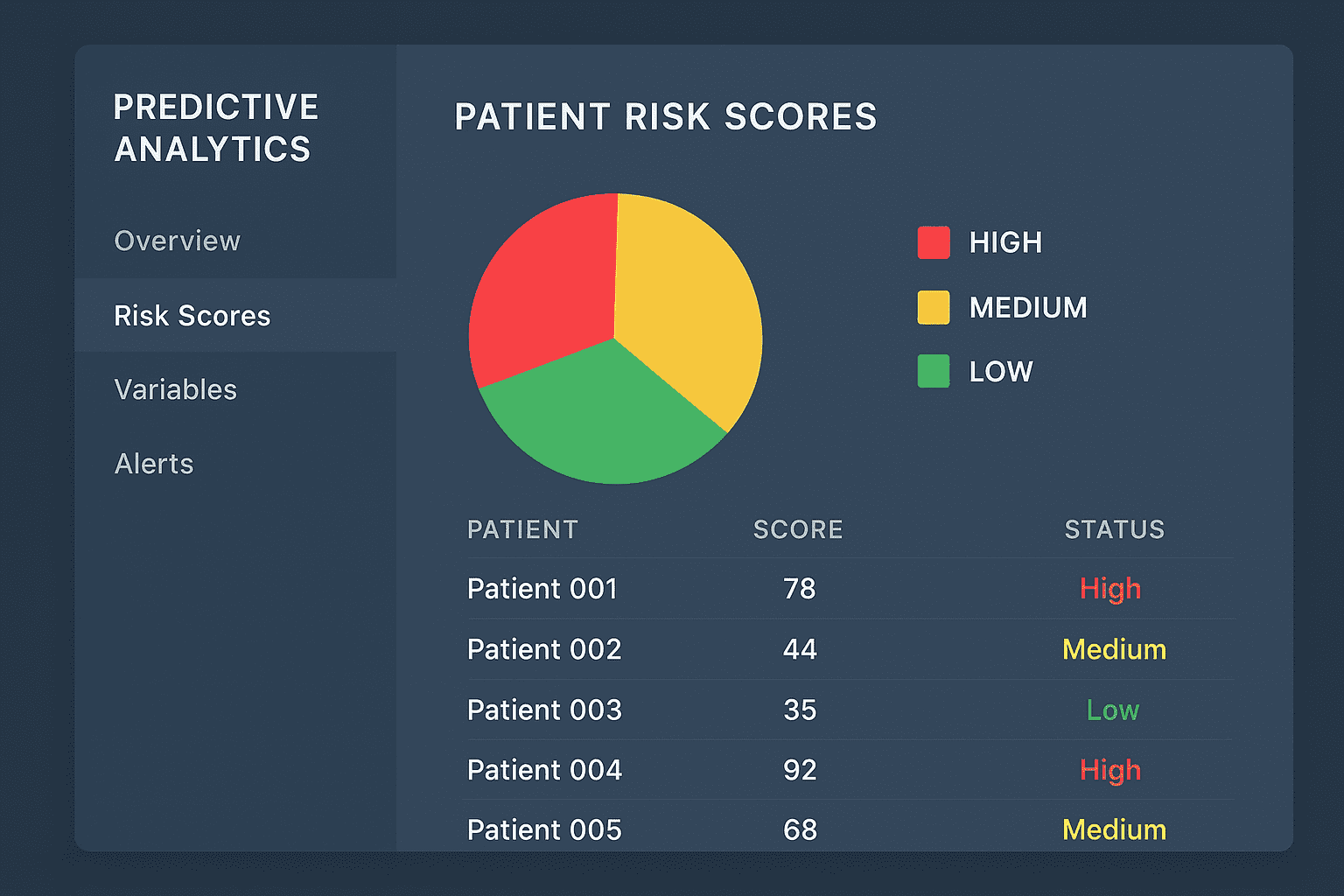
AI doesn’t just help after a patient is sick—it predicts and prevents illnesses before they occur.
- Hospital Readmissions: AI models predict which patients are at risk of being readmitted. For example, Mount Sinai Hospital in New York uses AI to predict sepsis 24–48 hours before onset, reducing mortality rates.
- Risk Stratification: Algorithms analyze EHR (Electronic Health Records) to identify high-risk patients for conditions like strokes or heart attacks.
- Public Health: During the COVID-19 pandemic, AI tools predicted outbreak hotspots, enabling quicker response.
4. AI in Drug Discovery and Development
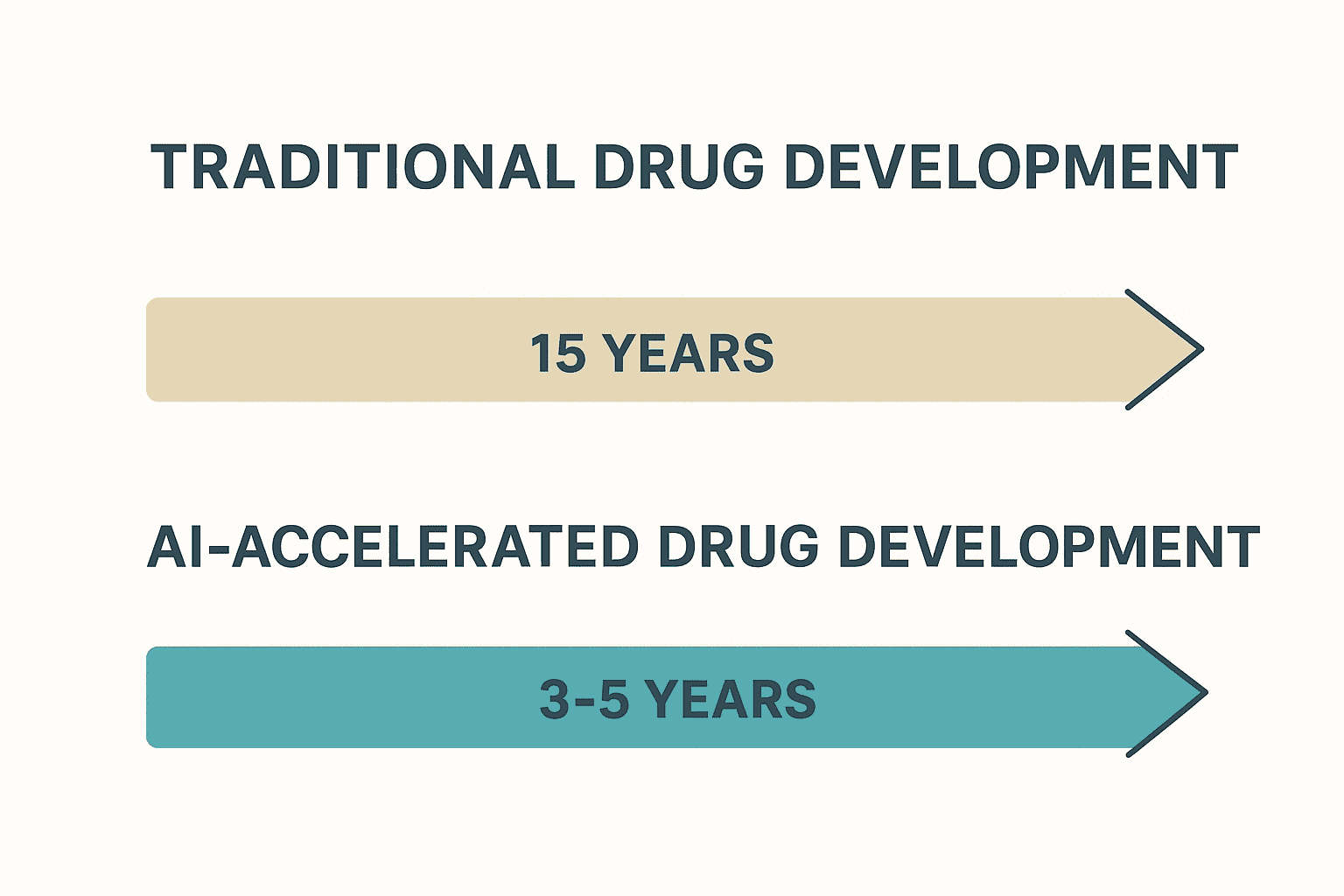
Drug development is costly and time-consuming, often taking 10–15 years. AI is speeding up this process significantly.
- Drug Discovery: AI predicts how molecules interact with the human body, helping scientists design effective drugs faster.
- COVID-19 Vaccines: Companies like Moderna used AI to accelerate vaccine development, analyzing massive datasets to design and test formulas rapidly.
- Drug Repurposing: AI finds new uses for existing drugs, reducing time and costs.
5. Virtual Health Assistants and Chatbots
AI-powered chatbots and assistants are enhancing patient engagement and accessibility.
- Symptom Checkers: Tools like Babylon Health allow patients to input symptoms and receive AI-driven guidance.
- Medication Reminders: Virtual assistants remind patients to take medications, improving adherence and outcomes.
- Scheduling & Follow-ups: AI assistants book appointments, send reminders, and follow up with patients automatically.
6. Robotics and AI in Surgery
AI-powered robotic systems are assisting surgeons in performing safer, more precise procedures.
- Da Vinci Surgical System: Used globally for minimally invasive surgeries with enhanced precision.
- Orthopedic Surgeries: Robots assist in joint replacement surgeries with near-perfect alignment.
- Real-Time Guidance: AI provides surgeons with real-time data, reducing errors.
7. Remote Patient Monitoring and Wearables
Wearables combined with AI are revolutionizing long-term patient care.
- Cardiology: Apple Watch uses AI to detect irregular heartbeats, alerting users to possible atrial fibrillation.
- Diabetes: Continuous glucose monitors send real-time alerts when sugar levels drop dangerously.
- Elderly Care: Smart wearables track vital signs and detect falls, automatically alerting caregivers.
8. Administrative Efficiency in Healthcare
Doctors spend nearly 40% of their time on administrative tasks. AI reduces this burden.
- EHR Automation: AI automatically updates and organizes patient records.
- Medical Billing: AI detects fraudulent claims and billing errors.
- Staff Scheduling: Hospitals use AI to optimize staff shifts, reducing burnout.
9. Ethical Challenges and Considerations
Despite its benefits, AI in healthcare faces challenges.
- Data Privacy: Medical records must be protected against misuse.
- Bias in AI: If training data is biased, AI results may be inaccurate.
- The Human Touch: AI cannot replace empathy, compassion, and human judgment.
10. The Future of AI in Healthcare
The next decade will see AI deeply embedded in healthcare systems.
- AI-Powered Hospitals: Smart hospitals already use AI for everything from bed management to digital twins of patients.
- Global Health Access: AI will bring telemedicine to underserved areas, reducing health inequality.
- Personal AI Doctors: By 2030, patients may have AI-powered virtual doctors available 24/7.
Case Studies: Real-World Success Stories
- Google DeepMind: Detected 50+ types of eye diseases as accurately as human specialists.
- Babylon Health (UK): Reduced wait times by offering AI-driven telemedicine.
- Mayo Clinic (USA): Uses AI to predict cardiac arrest with high accuracy.
- Kenya Telemedicine Projects: AI chatbots help rural patients access medical advice.
FAQs About AI in Healthcare
1. How is AI improving patient outcomes?
AI improves patient outcomes by enabling early diagnosis, predicting risks, personalizing treatments, and ensuring continuous monitoring.
2. What are examples of AI in healthcare?
Examples include AI in medical imaging, chatbots like Babylon Health, wearable devices, and robotic surgery systems.
3. Can AI replace doctors?
No. AI supports doctors by handling repetitive tasks and providing insights, but human judgment and empathy remain irreplaceable.
4. Is AI safe for medical diagnosis?
Yes, when trained on large, diverse datasets. However, regulatory oversight is crucial to ensure safety and accuracy.
5. What is the future of AI in medicine?
By 2030, AI will be deeply integrated into hospitals, predictive care, and even at-home virtual AI doctors.
Conclusion
Artificial Intelligence is not replacing healthcare providers—it is empowering them. From detecting diseases earlier to tailoring personalized treatment plans, AI in healthcare is improving patient outcomes by making medicine smarter, faster, and more effective.
The next decade will only amplify these benefits, creating a future where healthcare is proactive rather than reactive. With the right balance of innovation and ethics, AI can make healthcare more accessible and life-saving for people around the world.
