How to Make Money on Forex in Kenya . Learn step-by-step how Kenyans are earning through forex trading, top strategies to start profitably, best brokers to use, and tips to avoid beginner mistakes. Start your forex journey today!
How to Make Money on Forex in Kenya
How to make money on Forex in Kenya is one of the most searched financial questions among young entrepreneurs and online investors today.
With thousands of Kenyans turning to online trading as an additional income stream, forex has quickly become one of the most accessible and profitable ways to earn money digitally.
But what exactly is forex trading, and how can you start making profits safely from Kenya?
Forex trading short for “foreign exchange” involves buying and selling currencies to profit from changes in their values.
For example, when the value of the US dollar rises against the Kenyan shilling (USD/KES), a trader who predicted that move correctly can make a profit.
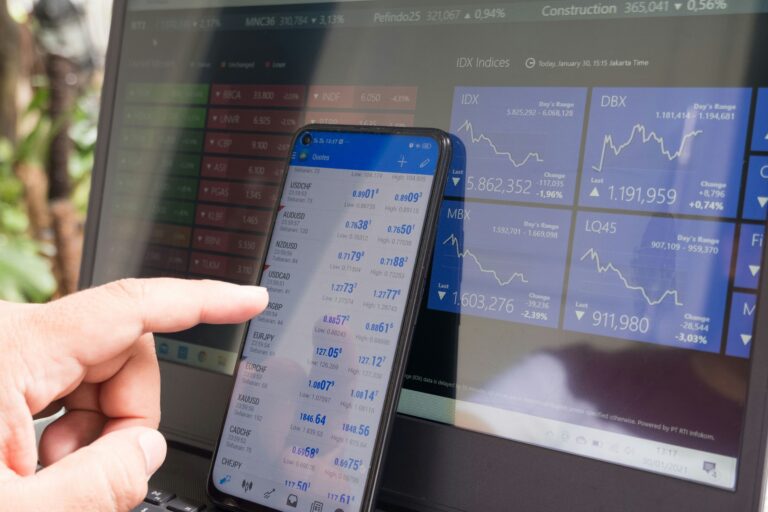
Thanks to mobile trading apps, M-Pesa integration, and global brokers that accept Kenyan traders, anyone with a smartphone and internet connection can now start trading from home.
What makes forex even more attractive is its 24-hour accessibility and low entry barrier. You can begin with as little as KSh 1,000 to KSh 5,000 on platforms like FXPesa, Exness, XM, or Deriv, making it one of the easiest online businesses to start.
However, like any investment, success in forex requires strategy, discipline, and the right mindset, not luck.
In this guide, you’ll learn step-by-step how to make money on forex in Kenya, from understanding how the market works to choosing the best brokers, avoiding costly beginner mistakes, and applying simple strategies that actually work.
Whether you’re completely new to trading or have tried before without success, this article will give you the clarity and roadmap you need to trade confidently and profitably.

What Is Forex Trading and How It Works
Forex trading explained: Forex (foreign exchange) is the global market where currencies are bought and sold.
Traders speculate on whether one currency will rise or fall against another.
Each trade involves a currency pair: the first currency (base) is bought or sold against the second (quote).
For example, USD/KES is the US dollar priced in Kenyan shillings.
Key building blocks
- Currency pair: e.g., USD/KES, EUR/USD. The first currency (USD) is the base; the second (KES) is the quote.
- Bid / Ask: Price at which the market buys (bid) or sells (ask) the base currency. The difference is the spread.
- Pip: The smallest price increment. For most major pairs it’s 0.0001; for pairs quoted to two decimal places (like USD/KES on some platforms) a pip may be 0.01.
- Lot / Position size: Standardized trade size. Retail brokers offer micro, mini, and standard lots (e.g., 1,000 units, 10,000 units, 100,000 units).
- Leverage: Borrowing provided by brokers (e.g., 50:1, 100:1) that lets you control a larger position with a smaller deposit (margin).
- Margin: Money required to open/keep a leveraged position.
- Spread & Commission: The broker’s cost either built into the spread or charged separately.
- Swap / Rollover: Interest payment/credit for holding positions overnight.
How a simple trade works Kenya example (numbers you can relate to)
- You think the USD will strengthen vs KES. USD/KES is trading at 140.00.
- You buy USD/KES 1,000 USD (a micro position).
- Cost in KES = 1,000 × 140.00 = KSh 140,000 (this is the notional value controlled).
- Cost in KES = 1,000 × 140.00 = KSh 140,000 (this is the notional value controlled).
- Price moves to 141.00 and you close the trade.
- Sale proceeds = 1,000 × 141.00 = KSh 141,000.
- Sale proceeds = 1,000 × 141.00 = KSh 141,000.
- Profit = KSh 1,000 (minus spread/fees).
This shows how small price moves can translate into real KES profits depending on your position size.
How leverage affects outcomes (simple math)
- Suppose your broker offers 50:1 leverage. To control USD 5,000 you need a margin of USD 100 (5,000 ÷ 50 = 100).
- If that USD 5,000 position moves in your favor by 1% → profit = USD 50, which is a 50% return on the USD 100 margin.
- Warning: the same leverage magnifies losses. A 1% adverse move would wipe out 50% of your margin.
Order types every Kenyan beginner must know
- Market order: Buy/sell at current price.
- Limit order: Enter at a better price (e.g., buy USD/KES at 139.50).
- Stop order (stop-loss): Exit automatically to limit losses (e.g., stop-loss at 138.00).
- Take-profit: Close the trade automatically at target profit.
Costs and hidden risks
- Spread: Wider on exotic pairs (including USD/KES) that increases entry cost.
- Commission: Some brokers charge per trade instead of widening the spread.
- Slippage: During news or low liquidity, execution may occur at a worse price.
- Swap fees: If you hold overnight, interest differential may cost or credit you.
Liquidity, trading hours & market drivers (what to watch in Kenya)
- Forex is 24/5, but liquidity varies by session. USD liquidity is highest during US hours.
- Kenya-specific drivers for USD/KES: CBK monetary policy decisions, USD inflows (remittances, exports), tourism receipts, and macroeconomic news.
Always watch the economic calendar (interest rates, inflation, GDP releases) these cause big intraday moves.
Practical first steps
- Open a demo account and master order types, pips, and risk calculation (no real money).
- Backtest a simple strategy (moving average crossover, breakout). Keep trade logs.
- Start small with micro-lots (1,000 units) and use a conservative risk per trade (e.g., ≤1% of account).
- Use stop-losses always; never trade without a risk plan.
- Track the USD/KES and CBK announcements if you plan to trade locally relevant pairs.
Short FAQ
1.Q: What is a pip in USD/KES?
A: A pip is the smallest quoted move; for many pairs it’s 0.0001 for USD/KES it’s commonly 0.01 depending on the broker’s quote format.
2.Q: How much do I need to start trading forex in Kenya?
A: You can start with as little as KSh 1,000 on some brokers, but a practical beginner account is typically KSh 5,000–KSh 20,000 to manage risk sensibly.
3.Q: Is leverage safe?
A: Leverage magnifies both profits and losses. Use low leverage and strict stop-loss rules until you’re consistently profitable.
Why Forex Trading Is Popular in Kenya
Forex trading has exploded in Kenya because it combines low barriers to entry, mobile-first payments (M-Pesa), and easy access to global markets through smartphone apps.
For many Kenyans, forex is an attractive way to diversify income. You can trade alongside a day job, start with small deposits, and scale up when you learn a profitable strategy.
This accessibility, combined with aggressive broker marketing and educational content, fuels strong local interest. Capital Markets Authority
1) Key reasons for popularity
- Mobile money + instant funding: M-Pesa integration lets traders deposit and withdraw in minutes, removing the bank-transfer friction many markets face. FXPesa+1
- Low minimum deposits: Several brokers accept very small starter amounts (often the equivalent of a few hundred shillings), making forex appealing to youth and side-hustlers. TradingBeasts+1
- Education & social proof: Local influencers, YouTube tutorials, and demo accounts lower the psychological barrier people see others doing it and try. (Use this in your copy to build trust.)
- 24/5 market & flexible hours: You can trade before/after work or during lunch breaks, a strong selling point for part-time Kenyan traders.
2) Practical broker comparison for Kenyan traders
Below are brokers widely used or promoted in Kenya.
- Exness – Strong local presence and explicit M-Pesa support, fast automated withdrawals, very low minimum deposits in some account types, and multiple regulatory passports (useful trust signal to mention). Good for traders who want instant local funding and fast withdrawals. Exness Kenya+1
- FXPesa (Equiti Group / FX Pesa) – Marketed specifically to East African users with local KES wallet options, M-Pesa and bank deposit support, Kenyan client portal and educational resources; positions itself as a local-friendly brand. Great to recommend for readers who want localised support. FXPesa+1
- Deriv – Has invested in local deposit rails and even apps/services that smooth M-Pesa deposits/withdrawals ( Deriv Fast Pesa and partner flows), making funding straightforward for Kenyan accounts. Good pick for traders who like alternative platforms and flexible funding. Deriv+1
- XM – Global broker widely used by Kenyans; many local guides and videos explain how to fund XM with M-Pesa and the broker supports small minimum deposits and MT4/MT5 platforms. Mention as a mainstream, beginner-friendly option. XM+1
3) How M-Pesa deposits & withdrawals actually work (step-by-step)
- Open account & verify KYC: Create the broker account, complete ID and address verification (upload ID). (CMA-licensed or reputable brokers require KYC). Capital Markets Authority+1
- Choose deposit → select M-Pesa: In the broker client portal choose “Deposits” and pick M-Pesa (sometimes labelled Mobile Money). FXPesa+1
- Enter amount & confirm: Enter the KES amount (some brokers let you choose USD or KES wallet). The portal will show the exact M-Pesa till/paybill or provide an in-app USSD flow. TradingBeasts+1
- Complete on phone (USSD or app): Use your M-Pesa menu or the broker’s payment link to authorise the transfer. Most brokers process deposits instantly; withdrawals typically take minutes to a few hours depending on verification and broker policy. Exness+1
Always match the deposit currency to your trading wallet to avoid conversion fees; keep screenshots of payment receipts; and test with a small amount first.
4) Regulatory & safety signals to show readers
- Check CMA or international regulation: readers to verify a broker’s claims (CMA for local licences, FCA/CySEC/FSCA for international oversight). This encourages trust and reduces churn from scams. The Capital Markets Authority publicly states it regulates online forex and maintains licensing info tell readers how to check. Capital Markets Authority+1
How to Make Money on Forex in Kenya – Step-by-Step
1: Learn the Basics (Education and Demo Trading)
The first step in how to make money on forex in Kenya is mastering the basics.
Forex trading is a skill, not a guessing game and knowledge determines success.
Before investing real money, invest time in learning how the market works.
Start with free forex education platforms like Babypips, Investopedia, or FXPesa Academy, which teach you about currency pairs, leverage, and market psychology.
Understanding terms like pips, spread, margin, and stop-loss will help you avoid rookie mistakes.
Once you understand the theory, open a demo trading account with a trusted broker such as Exness, FXPesa, XM, or Deriv.
A demo account allows you to trade in real market conditions using virtual money.
This is your training ground where you can build confidence, test strategies, and learn how the forex platform works before risking actual funds. https://dieterai.com/forex-trading-in-kenya-how-to-start-best-brokers-and-make-money-online-2025-guide
2: Choose a Regulated Broker (CMA or Trusted Global Brokers)
Your broker choice can make or break your forex journey. To earn from forex safely, you must trade through a regulated broker , one that’s licensed by the Capital Markets Authority (CMA) in Kenya or recognized international bodies like FCA (UK), CySEC (Europe), or FSCA (South Africa).
Regulated brokers protect your funds by keeping them in segregated accounts and following strict compliance standards.
This ensures that your money is safe even if the broker faces challenges.
Top brokers trusted by Kenyan traders include:
- FXPesa: CMA-licensed, M-Pesa deposits, user-friendly platform.
- Exness: Fast M-Pesa withdrawals, low spreads, and 24/7 customer support.
- Deriv: Innovative trading platforms and local deposit options.
- XM: Beginner-friendly, low minimum deposit, and global regulation.
When choosing, check for the following:
- M-Pesa funding support (for easy deposits and withdrawals).
- Low spreads and commissions.
- Responsive customer support.
- Educational resources for Kenyan traders.
Pro tip: Never deposit before verifying the broker’s regulation number on the official CMA or global regulator websites.
3: Create a Trading Strategy (The Key to Consistent Profits)
No one makes consistent profits in forex without a clear plan.
A forex trading strategy defines when you enter or exit a trade, how much to risk, and what signals you follow.
Common strategies you can explore include:
- Trend trading: Follow long-term market direction using moving averages or trendlines.
- Breakout trading: Identify price levels where the market breaks out of consolidation and ride the momentum.
- Scalping: Make small, frequent trades during volatile sessions.
- News trading: Trade around economic events like CBK rate announcements or US Non-Farm Payroll data.
Test your strategy on a demo account first, track your trades in a journal, and refine your approach based on results.
Over time, this habit will help you transform trading into a structured income stream , the real secret to how to earn from forex in Kenya.
4: Manage Risk with Stop-Loss and Take-Profit
Risk management separates successful traders from emotional gamblers. Even the best forex trading strategy Kenya won’t save you if you ignore risk.
Set a stop-loss on every trade at a pre-defined point where your trade automatically closes if the market moves against you.
Similarly, use take-profit orders to lock in gains when your target price is reached.
A proven rule for risk management is the 1% rule never risk more than 1% of your trading capital on a single trade.
For example, if your account balance is KSh 10,000, the maximum you should risk is KSh 100.
Also, maintain a risk-to-reward ratio of at least 1:2. This means if you risk KSh 100, aim to gain KSh 200.
Over time, even if you win 50% of your trades, you’ll still end up profitable.
Extra tip: Avoid over-leveraging. High leverage (like 1:1000) might seem attractive but can wipe your account fast. Stick to moderate leverage and focus on consistency.
5: Start Small and Scale Gradually
Forex is not a get-rich-quick scheme. The goal is to learn, build discipline, and grow your account over time.
Start with a small live account, maybe KSh 1,000–KSh 5,000, and trade micro-lots.
Treat this as tuition. It helps you experience real emotions like fear and greed, which don’t appear in demo trading.
As you gain confidence and achieve steady results, slowly scale your capital.
Keep records of every trade: entry, exit, profit, and reason for decision.
This trading journal will show your progress and reveal areas to improve.
Remember, the most successful forex traders in Kenya today didn’t start big, they started smart, learned the process, and scaled steadily.
Top Forex Trading Platforms and Brokers in Kenya (2025 Update)
When you’re exploring how to make money on forex in Kenya, choosing the right trading platform and broker is absolutely critical.
Here’s a comprehensive guide to the best options available in Kenya in 2025 with localized deposit methods (like M‑Pesa), regulation information, and platform features.
What to look for in a broker/platform
- Regulation: Ensure the broker is licensed , ideally by the Capital Markets Authority (Kenya) (CMA) or by top‑tier regulators like the Financial Conduct Authority (FCA) or Cyprus Securities and Exchange Commission (CySEC). Citizen Digital+2Forex+2
- Deposit/Withdrawal Methods: M‑Pesa and other local methods matter a lot for Kenyan traders. Forexkenya.co.ke+1
- Trading Platform & Instruments: MT4/MT5 support, a variety of currency pairs, good spreads and tools.
- Minimum Deposit and Costs: Lower entry makes it easier for beginners.
- Local Support & Presence: Local offices or Kenya‑friendly services are a plus.
Leading brokers & platforms for Kenyan traders
Here are some of the top brokers you should highlight in your article including each with a short profile and features list to add depth.
1. Exness
- Regulated globally and catering well to Kenyan clients; strong deposit/withdrawal support via M‑Pesa. Chweya+2Brokersway+2
- Minimum deposit: around USD 10 (or KES equivalent). Forex+1
- Platforms: MT4 & MT5, very low spreads, fast execution.
- Why it stands out in Kenya: Good for beginners & advanced traders alike due to flexibility and local funding.
2. XM
- Beginner‑friendly, low minimum deposit (USD 5) and supports M‑Pesa via local partners. Forex+1
- Platforms: MT4/MT5, and a good educational offering for newcomers.
- Ideal for Kenyan traders who want to start small and grow steadily.
3. FXPesa (operated by EGM Securities)
- Licensed by Kenya’s CMA strong local regulation and trust. TradersTrusted+1
- Deposit/withdraw via M‑Pesa. Minimum deposits are very accessible (KES 500 or equivalent). Chweya
- Best for Kenyan traders who prefer a locally‑regulated broker with local support.
4. HFM (formerly HotForex)
- Offers M‑Pesa deposits/withdrawals and a variety of account types. Chweya+1
- Good option for traders who may plan to scale up and use more tools.
5. Pepperstone
- Established global broker, high trust, good features for Kenyan traders; may have higher minimum deposits and account types suited for more advanced traders. Forex Suggest+1
Quick Comparison Table (you can embed in your blog for readability)
| Broker | Regulation | Min Deposit | M‑Pesa Support | Best For |
| Exness | Global + Kenya‑friendly | ≈ USD 10 | ✅ | All‑round: beginners + advanced |
| XM | Global | USD 5 | ✅ | Beginners starting small |
| FXPesa | CMA Kenya | KES 500 | ✅ | Kenyan‑local trusted broker |
| HFM | Global | USD 5 | ✅ | Flexible account options |
| Pepperstone | Global | USD 200+ |
Common Mistakes Beginners Should Avoid
When learning how to make money on forex in Kenya, beginners often make costly errors that can wipe out their trading account quickly.
Understanding and avoiding these pitfalls is essential for long-term success.
Below are the most common mistakes, explained in detail, with actionable tips.
1. Overtrading
- Many beginners try to trade too frequently, thinking more trades mean more profits.
- Reality: Overtrading increases spread costs and exposes your account to unnecessary market fluctuations.
- Tip: Stick to a few high-probability trades per day/week based on your strategy.
2. Trading Without a Plan
- Entering trades without a defined strategy or plan leads to random wins and losses.
- Reality: Without a plan, emotional reactions drive decisions rather than logic or data.
- Tip: Always have a trading plan that includes entry/exit rules, risk management, and target profit.
3. Making Emotional Decisions
- Fear, greed, and excitement can cause impulsive trades or abandoning a strategy.
- Reality: Emotional trading often results in large losses and inconsistency.
- Tip: Use stop-loss and take-profit orders to remove emotion from decisions. Consider keeping a trading journal to track patterns and improve discipline.
4. Ignoring Risk Management
- Risk management is the single most important factor in protecting capital. Beginners often risk too much per trade.
- Reality: Losing even a few large trades can wipe out an account.
- Tip: Follow the 1–2% rule , never risk more than 1–2% of your total capital per trade. Use leverage wisely and always calculate your risk-to-reward ratio.
Example: For a KSh 10,000 account, risk only KSh 100–200 per trade.
5. Trading Without Following News & Economic Events
- Ignoring key economic announcements (like CBK rate decisions, inflation reports, USD inflows) can result in unpredictable losses.
- Reality: Forex markets are highly sensitive to news; unexpected announcements can cause large swings.
- Tip: Keep an economic calendar and avoid trading major pairs around high-impact news unless your strategy accounts for it.
6. Copying Others Blindly
- Beginners often follow tips from social media or WhatsApp groups without verification.
- Reality: Not every strategy works for every trader; blindly copying leads to losses.
- Tip: Test any strategy on a demo account first before using real money.
Expert Tips to Stay Profitable in Forex
Trading forex in Kenya can be highly rewarding if approached strategically.
To maximize profits and minimize risks, follow these expert tips.
These are based on proven strategies, local market considerations, and common practices among successful Kenyan traders.
1. Stick to a Trading Plan
- Always create a forex trading plan before opening a trade.
- Define entry and exit points, risk per trade, stop-loss, and take-profit levels.
- Why it matters: A plan prevents emotional decision-making and keeps you consistent.
- SEO Tip: Include phrases like forex trading strategy Kenya and how to earn from forex.
For instance:
How to Create a Forex Trading Plan – Example for Kenyan Traders
A trading plan is the foundation for consistent profits in forex.
Many beginners fail because they trade without one, making emotional decisions or chasing random tips.
A well-structured plan defines your strategy, risk management, and goals, and is essential for anyone learning how to make money on forex in Kenya.
Here’s how to create a practical, step-by-step forex trading plan for Kenyan traders:
1. Define Your Trading Goals
- Set realistic profit targets: e.g., “I aim to grow my KSh 10,000 account by 5–10% per month.”
- Identify your time commitment: full-time, part-time, or weekend trading.
- Example: “Trade 1–2 hours daily focusing on USD/KES and EUR/USD.”
2. Choose Your Trading Instruments
- Focus on a few pairs to reduce complexity.
- Example for Kenya:
- USD/KES – affected by CBK policy, remittances, and imports/exports
- EUR/USD – highly liquid global pair
- GBP/USD – good for news-based trading
- USD/KES – affected by CBK policy, remittances, and imports/exports
3. Define Entry and Exit Rules
- Use technical indicators or price action to determine when to enter/exit:
- Entry: Buy USD/KES when price closes above the 50-day moving average and RSI < 70
- Stop-Loss: 50 pips below entry to limit losses
- Take-Profit: 100 pips above entry for 1:2 risk-to-reward ratio
- Entry: Buy USD/KES when price closes above the 50-day moving average and RSI < 70
Example: Buy USD/KES at 140.00, stop-loss at 139.50, take-profit at 141.00.
4. Risk Management Rules
- Limit risk per trade: 1–2% of account balance
- Use appropriate lot size: micro-lots (1,000 units) for small accounts
- Avoid over-leverage: 10:1 or 20:1 for beginners, not 100:1+
Example: With a KSh 10,000 account, risk only KSh 100–200 per trade.
5. Trading Schedule
- Decide trading times based on liquidity:
- Nairobi time: 3–12 PM best for London and New York sessions overlap
- Nairobi time: 3–12 PM best for London and New York sessions overlap
- Avoid trading during low liquidity or high-impact news unless your strategy targets news
6. Record and Review Trades
- Keep a trading journal: log date, instrument, entry/exit, pips gained/lost, reason for trade
- Review weekly to refine strategy
- Example: Note that USD/KES trades react strongly to CBK announcements adjust stop-loss accordingly
7. Continuous Learning
- Follow Kenya-specific economic news: CBK rate decisions, inflation, USD inflows
- Test new strategies on a demo account before going live
- Join local forums or Telegram groups for updates and trading ideas
Sample Simple Trading Plan Table for a Kenyan Beginner
| Element | Example |
| Account Size | KSh 10,000 |
| Trading Pair | USD/KES, EUR/USD |
| Timeframe | 1–2 hours daily, 3–12 PM (London/New York overlap) |
| Entry Signal | Price closes above 50-day MA, RSI < 70 |
| Stop-Loss | 50 pips below entry |
| Take-Profit | 100 pips above entry |
| Risk per Trade | 1–2% of account (KSh 100–200) |
| Leverage | 10:1 |
| Review | Weekly trading journal review |
| Goal | Grow account by 5–10% |
2. Manage Risk Effectively
- Never risk more than 1–2% of your trading capital per trade.
- Use stop-loss orders to cap losses and take-profit orders to secure gains.
- Be cautious with leverage while brokers may offer 1:100 or higher, high leverage increases potential losses.
- Tip: Maintain a risk-to-reward ratio of at least 1:2.
3. Focus on a Few Currency Pairs
- Beginners often try to trade too many pairs. Instead, specialize in USD/KES, EUR/USD, or other major pairs with higher liquidity.
- Why: Liquidity reduces spreads and slippage, making trades more predictable.
- Extra Tip: Track Kenyan-specific pairs for local news impacts (CBK decisions, USD inflows).
4. Keep a Trading Journal
- Record every trade, including entry, exit, profit/loss, and reasons for trading.
- Analyze performance weekly to identify patterns and mistakes.
- Benefit: Helps refine your forex trading strategy Kenya and increases profitability over time.
5. Use Technical and Fundamental Analysis
- Technical analysis: Study charts, trends, and indicators like Moving Averages, RSI, and MACD to time entries.
- Fundamental analysis: Follow economic news , CBK announcements, inflation data, USD inflows, global financial news.
6. Start Small and Scale Gradually
- Begin with a small capital (KSh 1,000–5,000) to practice live trading.
- Increase trade size gradually as you gain confidence and consistent profits.
- Avoid the temptation to chase large profits early, which often leads to overtrading and account blowups.
7. Leverage Local Tools & M-Pesa
- Use brokers that allow instant M-Pesa deposits and withdrawals (Exness, FXPesa, XM).
- Keep funds in KES to avoid currency conversion costs when trading USD/KES.
- Tip: Local funding reduces delays and allows you to react faster to market opportunities.
8. Continuous Learning
- Forex markets evolve; stay updated via:
- Online courses (Babypips, FXPesa Academy)
- Kenyan trading communities and webinars
- YouTube tutorials by local and international experts
- Online courses (Babypips, FXPesa Academy)
- Benefit: Knowledge reduces mistakes and increases confidence in how to earn from forex.
9. Avoid Emotional Trading
- Fear, greed, and impatience are the main reasons for losing trades.
- Stick to your plan, respect your stop-loss, and avoid revenge trading.
- Tip: Treat trading like a business, not gambling.
Conclusion – Start Your Forex Journey in Kenya Today
Making money on forex in Kenya is entirely achievable with the right knowledge, strategy, and discipline.
From learning the basics and choosing a CMA-regulated or trusted global broker, to creating a trading plan, managing risk, and avoiding common mistakes, every step builds towards consistent profits.
Key Takeaways:
- Education first: Master the basics with demo accounts before trading real money.
- Choose the right broker: Prioritize regulation, M-Pesa support, low spreads, and reliable platforms.
- Follow a trading plan: Define entry, exit, risk, and trading schedules.
- Manage risk: Never risk more than 1–2% of your account on a single trade, and always use stop-loss and take-profit.
- Avoid common mistakes: Overtrading, emotional decisions, and ignoring news are costly.
- Continuous improvement: Keep a trading journal, review weekly, and refine your strategy.
Remember, forex trading is not a get-rich-quick scheme. It’s a disciplined approach to earning online income.
With patience, consistent learning, and careful planning, Kenyan traders can turn forex into a reliable income stream.
Take the First Step Today
- Open a demo account with a trusted broker like Exness, FXPesa, or XM and practice risk-free.
- Download a free trading plan template or checklist to organize your strategy.
- Subscribe to updates or join local trading communities to stay informed about Kenya-specific forex news and tips.
Start small, trade smart, and grow your profits steadily. Your journey to earning from forex in Kenya begins now!
Frequently Asked Questions (FAQ) – Forex Trading in Kenya
Q1: How can I make money on forex in Kenya?
A: Making money on forex in Kenya requires education, strategy, and discipline.
Start by learning the basics of currency trading, open a demo account with a trusted broker like Exness, FXPesa, or XM, and practice trading risk-free.
Then, choose a regulated broker, create a trading plan, manage your risk with stop-loss and take-profit orders, and trade consistently.
Focus on a few currency pairs and avoid common mistakes like overtrading or emotional decisions.
Q2: Which brokers are safe for Kenyan traders?
A: Always choose regulated brokers to protect your funds. In Kenya, brokers licensed by the Capital Markets Authority (CMA), such as FXPesa, are safe.
Reputable global brokers like Exness, XM, HFM, and Deriv are also widely used by Kenyan traders.
Make sure the broker supports M-Pesa deposits and withdrawals for convenience.
Q3: What are common forex mistakes beginners make in Kenya?
A: Common mistakes include:
- Overtrading or entering too many trades
- Trading without a defined plan or strategy
- Making emotional decisions based on fear or greed
- Ignoring risk management rules
- Trading blindly during news releases
Avoiding these mistakes is crucial to minimize losses and stay profitable in forex.
Q4: How much money do I need to start trading forex in Kenya?
A: You can start with as little as KSh 1,000–5,000 using brokers that support micro-lots. The key is not the starting capital but risk management and consistency.
Start small, trade smart, and gradually increase your capital as you gain experience.
Q5: Can I trade forex using M-Pesa in Kenya?
A: Yes! Several brokers offer instant M-Pesa deposits and withdrawals, making it convenient for Kenyan traders. Brokers like Exness, FXPesa, and XM support M-Pesa, allowing you to fund your account quickly and withdraw profits without delays.
Q6: How do I manage risk in forex trading in Kenya?
A: Effective risk management is critical. Experts recommend:
- Risk no more than 1–2% of your total trading capital per trade
- Use stop-loss and take-profit orders
- Maintain a risk-to-reward ratio of at least 1:2
- Avoid over-leveraging — high leverage can quickly wipe out your account
By following these rules, you reduce forex risks in Kenya and protect your capital while growing your account steadily.
Q7: Is forex trading legal in Kenya?
A: Yes. Forex trading is legal in Kenya as long as you use brokers regulated by the CMA or recognized international regulators.
Avoid unlicensed brokers, as trading with them can lead to fraud and loss of funds.
Q8: Can beginners make consistent profits in forex?
A: Yes, but it requires discipline, education, and a solid trading plan.
Beginners should start with a demo account, focus on a few currency pairs, follow risk management rules, and avoid common mistakes.
Consistency, patience, and continuous learning are the keys to long-term profitability.