
AI in digital marketing is revolutionizing the user experience through personalization, predictive analytics, and automation. Discover how businesses use artificial intelligence to boost engagement, improve customer journeys, and stay ahead in 2025’s competitive digital landscape.
Why AI Is Revolutionizing Digital Marketing
Artificial Intelligence (AI) is no longer a futuristic concept it’s the driving force behind today’s most successful digital campaigns. AI in digital marketing is transforming how businesses connect with audiences, optimize content, and create personalized user experiences that truly convert.
In the past, marketers relied heavily on guesswork and manual data analysis to understand customer behavior. But with AI-powered tools, brands can now analyze massive datasets in real time, predict consumer needs, and deliver tailor-made experiences across every digital touchpoint. From automated chatbots that provide instant support to machine learning algorithms that recommend the perfect product, AI is reshaping the entire marketing journey.
The power of AI in digital marketing lies in its ability to make smarter, data-driven decisions. It helps marketers understand customer intent, optimize ad targeting, and improve conversion rates without wasting resources. This level of efficiency was impossible a few years ago — but now, AI ensures that every marketing action is based on insights, not intuition.
As competition grows online, businesses that adopt AI gain a serious edge. They can craft hyper-personalized campaigns, predict market trends, and enhance user experience (UX) in ways traditional marketing can’t match. Simply put, AI isn’t just supporting digital marketing — it’s revolutionizing it by blending creativity with automation to deliver measurable, meaningful results.

How AI Enhances User Experience in Digital Marketing
In the modern digital landscape, AI in digital marketing is transforming how users interact with brands. From personalized recommendations to intelligent chatbots and predictive analytics, artificial intelligence helps marketers understand customer needs better than ever before. Let’s explore how AI is reshaping the user experience (UX) in powerful ways.
1. Personalized Marketing at Scale

One of the most impactful benefits of AI in digital marketing is personalization. AI algorithms analyze user data — such as browsing history, purchase patterns, and engagement behavior — to deliver customized content and product recommendations.
For example, platforms like Netflix and Amazon use AI-driven personalization to recommend shows or products based on a user’s past behavior. This not only increases engagement but also strengthens customer loyalty by making users feel understood and valued.
2. Predictive Analytics and Data-Driven Insights
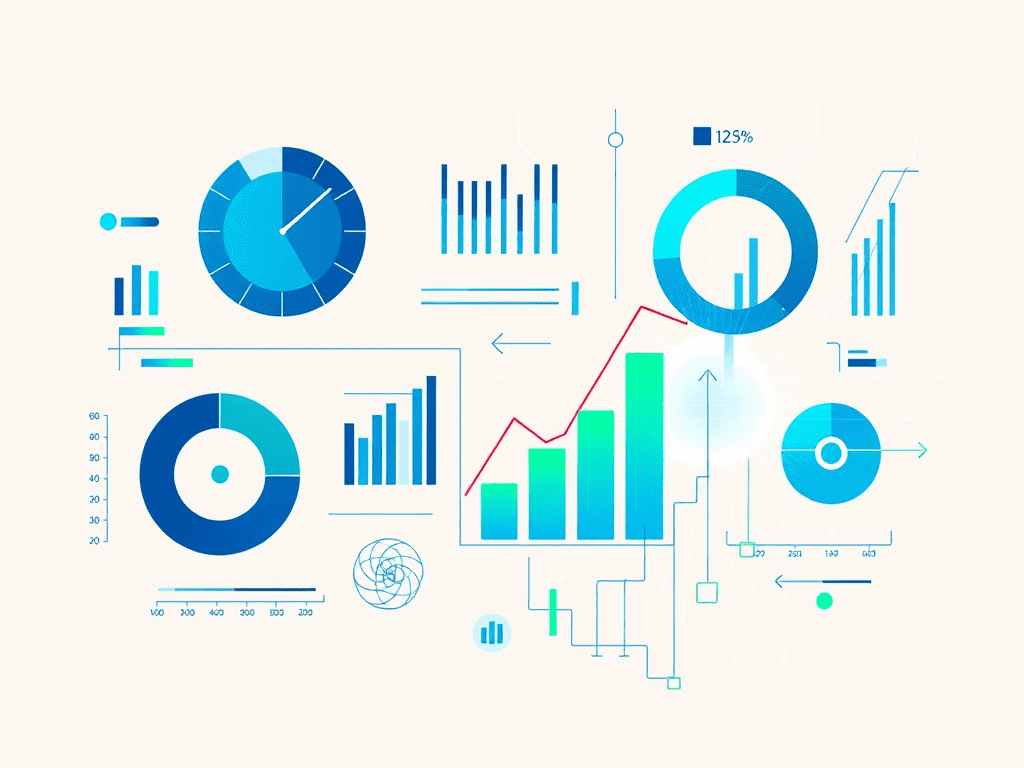
AI’s ability to process massive amounts of data has taken digital marketing analytics to the next level. Through predictive analytics, marketers can anticipate what customers are likely to do next — from their next purchase to the best time to send an email or launch a campaign.
This form of AI-powered prediction helps businesses make data-driven decisions rather than relying on guesswork. For instance, eCommerce sites can use AI to forecast which products will trend during a particular season, allowing for smarter inventory management and marketing strategies.
3. Smarter Chatbots and Virtual Assistants
AI chatbots have completely changed the way businesses interact with their customers. Unlike traditional bots, AI-powered chatbots understand natural language, provide instant responses, and learn from each conversation to improve over time.
They can handle FAQs, guide users through a website, or even recommend products — all while providing 24/7 support. This improves the user experience by offering quick, personalized, and human-like interactions without waiting for a live agent.
4. Content Optimization and Creation
AI tools like ChatGPT, Jasper, and Copy.ai are helping marketers generate and optimize content that matches user intent. These tools use natural language processing (NLP) to create high-quality, SEO-friendly blog posts, ad copies, and product descriptions that appeal to both search engines and users.
AI can also analyze existing content to identify gaps, suggest keywords, and improve readability ensuring every piece of content aligns with what the audience wants to see.
5. Improved Customer Journey Mapping
Understanding the customer journey has always been challenging — but AI simplifies it. Using machine learning, marketers can now track and predict how users move across different platforms, from social media to websites and emails.
This helps brands deliver consistent experiences across multiple channels, improving satisfaction and conversion rates. With AI insights, marketers can identify pain points, personalize messaging, and fine-tune their funnel for maximum impact.
Real-Life Examples: How Top Brands Use AI to Enhance User Experience
The impact of AI in digital marketing is best understood through real-world examples. Leading brands such as Netflix, Amazon, and Spotify have successfully integrated artificial intelligence to transform how they engage with users, personalize experiences, and predict future preferences. These examples show that when AI-powered marketing meets creativity, the result is a seamless and highly engaging user experience (UX).
1. Netflix – Personalization Through Predictive Analytics
Netflix is a global leader in using AI and machine learning to improve content recommendations. Every time a user watches a show or rates a movie, Netflix’s algorithms collect data points — from viewing time to genre preferences. This data fuels its predictive analytics system, allowing Netflix to recommend content tailored to each viewer’s unique taste.
In fact, over 80% of the content streamed on Netflix is influenced by its AI-powered recommendation engine. This deep level of personalization enhances the user experience, increases watch time, and reduces churn proving how powerful AI in digital marketing can be when combined with customer insight.
2. Amazon – AI-Powered Personalization and Product Recommendations
Amazon is a prime example of how artificial intelligence in marketing can boost sales and customer engagement. The company uses machine learning algorithms to analyze customer behavior, purchase history, and browsing patterns. With this data, Amazon delivers personalized product recommendations that drive repeat purchases and increase conversion rates.
Its famous “Customers who bought this also bought…” The feature is powered by AI — and it accounts for nearly 35% of Amazon’s total revenue. Additionally, Amazon’s Alexa voice assistant further enhances the user experience by allowing customers to shop, search, and interact with the platform hands-free.
3. Spotify – Personalized Playlists Using Machine Learning
Spotify uses AI-driven algorithms to understand user preferences and curate personalized playlists like Discover Weekly and Release Radar. The platform studies user listening habits including skipped songs, saved tracks, and playlist interactions to predict what music each user will love next.
This AI-based recommendation system keeps users engaged, boosts retention, and strengthens Spotify’s brand loyalty. By combining AI in digital marketing with predictive modeling, Spotify ensures every listener feels like the app was built just for them.
4. Coca-Cola – AI for Consumer Insights and Ad Targeting
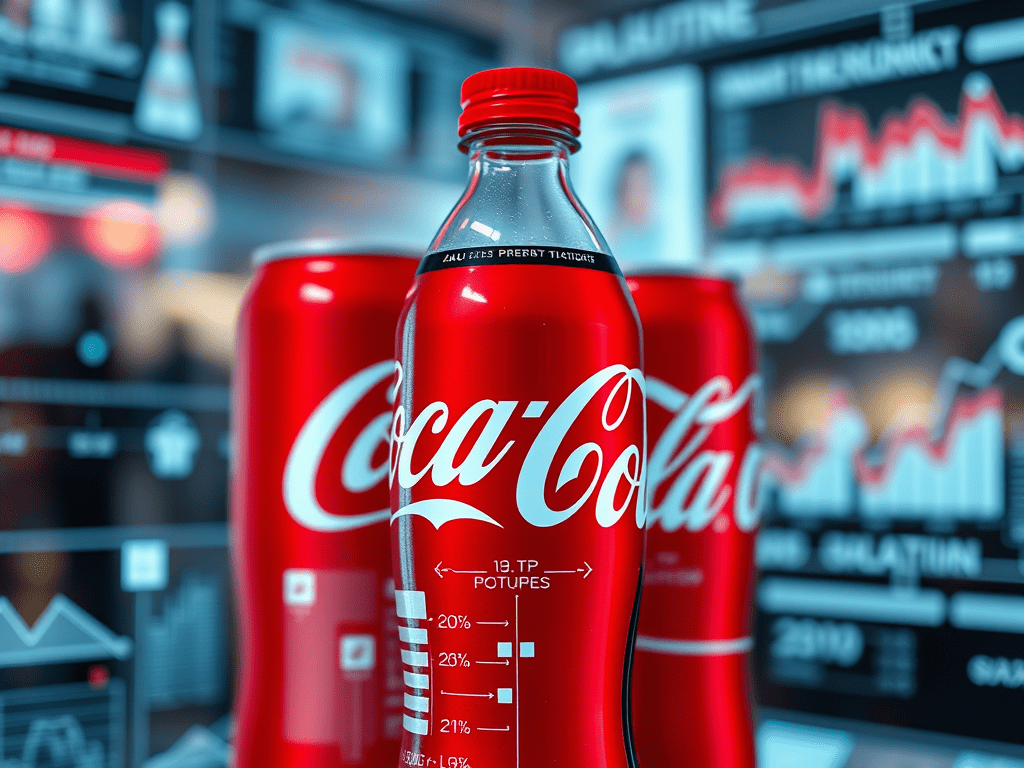
Even traditional brands like Coca-Cola have embraced AI marketing strategies to improve customer engagement. The company uses AI analytics to study consumer behavior across social media and digital campaigns. This allows Coca-Cola to craft highly targeted ads that resonate with specific audiences — increasing engagement and brand relevance.
In addition, Coca-Cola uses AI-driven content generation for its digital marketing campaigns, ensuring that visuals and messages align perfectly with audience emotions and preferences.
5. Sephora – AI Chatbots and Virtual Try-On Experiences
Beauty retailer Sephora leverages AI chatbots and augmented reality (AR) to enhance online shopping experiences. Its AI-powered virtual assistant helps customers choose products, book appointments, and get personalized skincare advice.
The Virtual Artist app, powered by AI, allows users to try on makeup virtually improving satisfaction and reducing product returns. This integration of AI and digital marketing demonstrates how technology can elevate user experience in eCommerce.
AI Tools Marketers Use to Improve User Experience in Digital Marketing
In today’s competitive online world, AI tools for digital marketing are no longer optional — they’re essential for creating personalized, data-driven, and high-converting campaigns. From generating content to optimizing SEO strategies and automating workflows, these AI-powered marketing tools help brands deliver exceptional user experiences (UX) while saving time and boosting ROI.
Below are the top AI marketing tools that leading digital marketers use to transform customer engagement and optimize performance.
1. ChatGPT – Conversational AI and Content Creation
ChatGPT by OpenAI is one of the most powerful AI tools for marketers. It uses natural language processing (NLP) to generate human-like text for blogs, social media posts, ad copies, and email campaigns.
Marketers use ChatGPT in digital marketing to:
- Create engaging blog content with SEO-friendly keywords.
- Generate responses for customer service and chatbots.
- Develop creative ad copy and personalized product descriptions.
ChatGPT also helps businesses enhance the user experience by providing instant, intelligent support via conversational chatbots improving customer satisfaction and engagement.
2. HubSpot AI – Marketing Automation and Customer Insights
HubSpot AI takes marketing automation to the next level. This powerful CRM platform integrates artificial intelligence in marketing to analyze customer interactions, segment audiences, and predict behaviors.
Marketers use HubSpot’s AI features to automate repetitive tasks like lead scoring, email follow-ups, and campaign performance tracking. Its predictive analytics tools help personalize communication, ensuring that every message aligns with the user’s journey.
By combining automation with insight, HubSpot AI enhances customer experience and helps marketers build long-term relationships with their audience.
3. Jasper AI – AI-Powered Copywriting and Campaign Generation
Jasper AI (formerly Jarvis) is another leading AI writing assistant used by content marketers and SEO professionals. It helps create high-quality, conversion-focused content in minutes — from blog posts and landing pages to ads and social captions.
What sets Jasper apart is its ability to understand tone, audience intent, and brand voice. With pre-built templates and SEO integration, marketers can produce optimized content that ranks on search engines and connects emotionally with readers.
4. Surfer SEO – AI for SEO Optimization and Ranking
Surfer SEO is one of the most popular AI SEO tools designed to help websites rank higher on Google. It analyzes the top-ranking pages for any keyword and provides actionable recommendations — including ideal word count, keyword density, headings, and backlinks.
Marketers use Surfer SEO alongside tools like ChatGPT or Jasper AI to ensure every piece of content is optimized for both users and search engines. The result? Higher rankings, improved visibility, and stronger digital marketing performance.
5. Grammarly and Copy.ai – AI for Content Refinement
Tools like Grammarly and Copy.ai use machine learning and NLP to refine writing, improve tone, and enhance readability. They ensure that every piece of content is polished, grammatically correct, and aligned with your brand’s voice.
These AI writing tools also suggest synonyms, style improvements, and engagement boosters helping marketers deliver content that resonates with readers and drives conversions.
6. Canva Magic Studio – AI for Visual Content Creation
Visuals are a major part of digital marketing, and Canva’s AI-powered Magic Studio makes design effortless. With AI image generation, automatic resizing, and text-to-image capabilities, marketers can create professional graphics, videos, and social media content in seconds.
By simplifying design and branding, AI in visual marketing enhances user engagement and strengthens brand identity across platforms.
Future Trends: How AI Will Shape Digital Marketing in 2026 and Beyond
The future of AI in digital marketing is more exciting and transformative than ever. As technology continues to evolve, artificial intelligence is expected to redefine how brands understand, communicate with, and serve their customers. From voice search to generative AI and emotion recognition, these innovations are shaping the next generation of digital marketing strategies and user experiences.
1. Voice Search Optimization – The Next SEO Frontier
With the rise of smart speakers and voice assistants like Alexa, Siri, and Google Assistant, voice search optimization has become a top priority for digital marketers. Studies show that over 50% of online searches are now voice-based — a number expected to keep rising.
AI helps marketers understand conversational search intent, allowing them to optimize content for natural language queries instead of just short keywords. This means focusing on long-tail keywords, question-based phrases, and featured snippets to appear in voice search results.
Businesses that adapt their SEO strategies for AI-powered voice search will reach more customers, especially those using mobile and smart devices for everyday queries.
2. Generative AI – The Future of Creative Marketing
Generative AI is revolutionizing how brands produce content, visuals, videos, and even marketing campaigns. Tools like ChatGPT, Midjourney, and Runway ML can now generate human-like copy, unique artwork, and video ads within minutes — all tailored to brand tone and audience preferences.
For marketers, generative AI in digital marketing means faster content creation, higher engagement, and reduced production costs. AI models can analyze data trends and automatically generate marketing assets that resonate with target demographics.
For example:
- Copywriters use ChatGPT and Jasper to draft SEO blogs and email campaigns.
- Designers use Midjourney and DALL·E to create original brand visuals.
- Advertisers use AI to produce and test variations of ads for better conversion.
This shift toward AI-generated content allows brands to stay creative and relevant while focusing more on strategy and innovation.
3. Emotion Recognition – The Rise of Empathetic Marketing
One of the most fascinating emerging trends in AI marketing technology is emotion recognition — the ability of AI systems to detect and interpret human emotions through facial expressions, voice tone, and behavioral cues.
Marketers are beginning to use emotion AI to gauge real-time customer reactions to ads, videos, and social media posts. By understanding emotional engagement, brands can tailor campaigns that trigger positive responses, deepen trust, and build stronger connections with their audiences.
For instance, AI emotion analysis tools can identify when a user feels frustrated or excited during an online shopping experience, prompting automatic support or product recommendations. This creates a more humanized, empathetic user experience.
4. Predictive and Hyper-Personalized Marketing
The next phase of AI in digital marketing will be hyper-personalization — where every interaction, ad, or recommendation is tailored precisely to individual user behavior and intent.
Using predictive analytics and machine learning, AI will anticipate what customers want before they even realize it. Imagine a system that suggests products based not only on purchase history but also on mood, location, and real-time context.This will make digital marketing smarter, faster, and more personal — increasing engagement and conversion rates while minimizing ad fatigue.