
Digital marketing and AI are revolutionizing the hospitality and tourism industry from personalized guest experiences to smart marketing automation. Discover how businesses can stay ahead of the curve in this digital era.
AI in hospitality and digital marketing is revolutionizing the way hotels, resorts, and travel brands attract, engage, and retain guests. In today’s fast-evolving tourism industry, digital transformation isn’t optional , it’s the new competitive edge.
From intelligent chatbots that provide 24/7 guest support to personalized booking experiences powered by data analytics, artificial intelligence is reshaping every aspect of customer interaction.
Modern travelers expect more than just accommodation; they seek seamless, tech-enabled experiences. With over 80% of travelers researching and booking trips online, hotels and tour operators that leverage AI-driven marketing gain a major advantage in visibility, personalization, and profitability.
Digital marketing strategies like social media engagement, influencer collaborations, SEO optimization, and automated email campaigns now work hand in hand with AI tools to deliver precise, personalized communication that converts lookers into loyal customers.
The future of hospitality and tourism belongs to those who combine human connection with machine intelligence.
Businesses that embrace AI and digital marketing are not just keeping up with trends but they’re defining the next era of travel, where every journey feels personal, predictive, and unforgettable.
The Rise of Digital Marketing in Hospitality
Digital marketing in tourism has become the backbone of success for modern hotels, resorts, and travel agencies. In a world where travelers rely heavily on the internet to plan, compare, and book their experiences, having a strong online presence is no longer a luxury, it’s a necessity.
The hospitality industry is now competing in a digital arena where visibility, engagement, and personalization define brand success.
The Importance of Online Visibility
For any hotel or tour operator, visibility on Google, TripAdvisor, and social media platforms determines how easily potential guests can find you. A well-optimized Google Business Profile helps travelers locate hotels, check reviews, and make bookings instantly.
Likewise, maintaining an active presence on Instagram, Facebook, and TikTok allows hospitality brands to showcase authentic guest experiences through visuals and storytelling.
High-quality visuals, interactive posts, and consistent engagement not only attract visitors but also strengthen brand trust, an essential factor in hospitality.
Power of Influencer Marketing and User-Generated Content
One of the most effective hotel marketing strategies today is partnering with travel influencers and encouraging guests to share their experiences online.
User-generated content (UGC) such as photos, reviews, and testimonials builds credibility and authenticity that paid ads can’t match.
Travelers trust real experiences shared by others more than polished promotional campaigns.
Collaborating with micro-influencers, travel vloggers, and lifestyle bloggers helps hotels tap into niche audiences and expand their reach organically.
This approach not only boosts bookings but also improves brand perception, as guests see genuine, relatable stories behind every stay.
SEO and Local Search for Hotels and Tour Operators
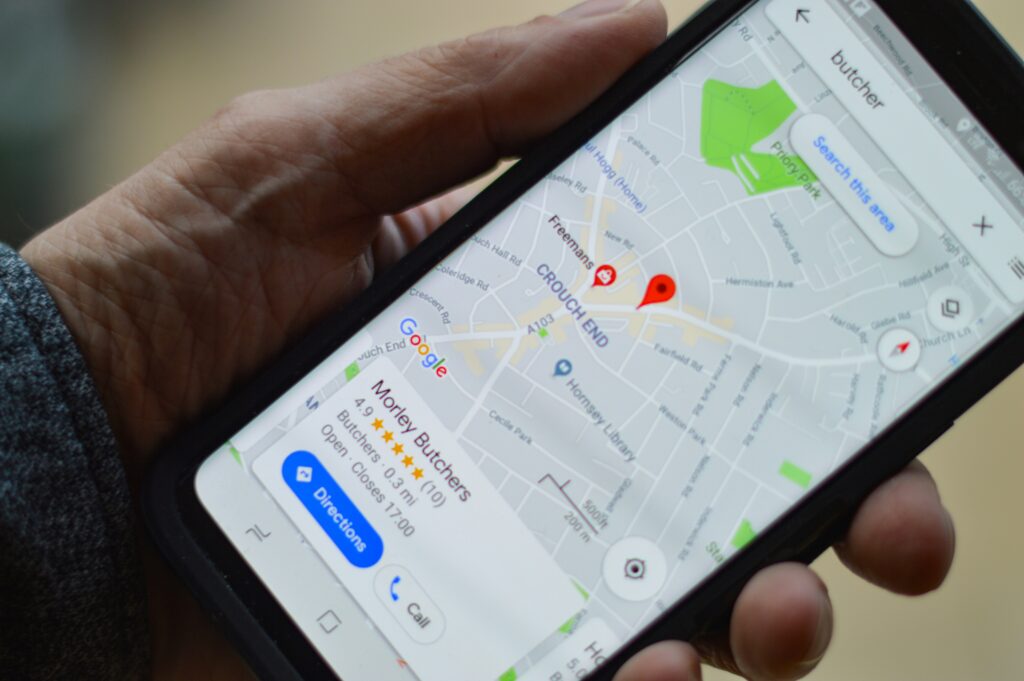
Search Engine Optimization (SEO) remains one of the most cost-effective hotel marketing strategies.
Local SEO helps hotels appear in location-based searches such as “best hotels near Nairobi National Park” or “affordable resorts in Mombasa.”
By optimizing website content with relevant tourism digital trends, keywords, and local tags, businesses can capture high-intent traffic , travelers actively looking to book.
Key steps include optimizing meta titles, descriptions, and image alt texts, maintaining updated NAP (Name, Address, Phone) details across platforms, and earning positive Google reviews.
A consistent SEO strategy ensures your business appears on the first page of Google, where 90% of travel decisions begin.
Data-Driven Personalization in Promotions
With the integration of AI in hospitality, hotels can now deliver data-driven personalization in marketing promotions.
By analyzing guest behavior, booking patterns, and preferences, hotels can send targeted offers such as personalized discounts for returning guests or curated travel experiences for honeymooners.
Email automation tools, AI-powered analytics, and CRM systems allow marketers to design customized campaigns that speak directly to individual needs.
This level of personalization not only increases conversions but also fosters long-term loyalty, turning one-time visitors into repeat customers.
How AI is Transforming Guest Experiences
AI in hospitality is redefining how hotels and travel brands connect with guests from the moment they search for accommodation to the post-stay follow-up.
Artificial Intelligence is not just a futuristic concept anymore; it’s a practical solution driving personalization, efficiency, and satisfaction across the entire guest journey.
Modern travelers expect convenience, speed, and tailored experiences and AI delivers exactly that through automation, predictive insights, and smart decision-making.
Chatbots for 24/7 Customer Service
One of the most visible impacts of AI in hospitality is the rise of intelligent chatbots. Today’s travelers want instant answers whether they’re asking about room availability, check-in times, or nearby attractions.
AI-powered chatbots provide 24/7 customer support, reducing response times and freeing staff to focus on higher-value interactions.
Hotels using chatbots on their websites or messaging platforms (like WhatsApp, Messenger, or WeChat) can handle thousands of queries daily without delays.
These chatbots learn from each conversation, becoming more accurate over time ensuring a smoother AI-powered guest experience that increases satisfaction and retention.
Predictive Analytics for Pricing and Demand Forecasting
AI is also transforming revenue management through predictive analytics. By analyzing booking trends, market demand, seasonality, and even weather data, AI algorithms can forecast when demand will rise or drop.
This helps hotels adjust prices dynamically, maximizing occupancy and revenue.
For example, if data predicts a surge in travel during holidays, the system automatically adjusts room rates and promotional offers. This level of intelligence allows hoteliers to stay ahead of competitors while maintaining profitability, a key advantage of adopting AI in hospitality.
AI-Powered Personalization: Smarter Marketing and Guest Engagement
Personalization has become the heart of modern hospitality, and AI-powered guest experience tools make it possible to deliver it at scale.
Hotels can now use machine learning to analyze guest preferences, booking history, and behavior then send personalized emails, tailor offers, or recommend activities that match individual interests.
For example, a returning guest who booked a spa suite might receive a special wellness package offer on their next visit, while a business traveler could get early check-in and meeting room deals.
This hyper-personalized marketing increases engagement and brand loyalty while creating memorable, unique experiences for every guest.
Smart Rooms and Hotel Automation Technology

The concept of hotel automation technology is transforming how guests interact with their environment. Smart rooms powered by AI and the Internet of Things (IoT) enable guests to control lighting, temperature, and entertainment using voice commands or mobile apps. These rooms remember guest preferences from pillow firmness to favorite TV channels ensuring a seamless, personalized stay.
For hoteliers, automation also enhances operational efficiency. AI monitors energy usage, automates housekeeping schedules, and predicts maintenance needs reducing costs and improving sustainability. This integration of smart technology represents the next stage of AI in hospitality, where convenience and innovation merge to create a futuristic yet human-centered experience.
The New Traveler: Digital-First and Experience-Driven
The modern hospitality landscape is being shaped by a new generation of digital-first travelers primarily Gen Z and Millennials who value convenience, personalization, and technology-driven experiences.
These travelers are redefining the rules of tourism, expecting hotels and travel brands to deliver seamless, tech-enabled journeys that go beyond traditional accommodation.
Unlike previous generations who relied on travel agents or brochures, today’s guests turn to mobile apps, online reviews, and virtual tours to make informed decisions. Their expectations are not just about comfort, but about connection, transparency, and innovation elements that only digital transformation in hospitality can deliver.
How Gen Z and Millennials Expect Seamless, Tech-Enabled Experiences
Gen Z and Millennial travelers represent a powerful shift in modern travel trends. They value speed, flexibility, and authenticity and expect technology to make their experiences effortless. From mobile check-ins to AI-powered concierge services, this demographic prefers hotels that integrate technology at every touchpoint.
They also want instant access to information and personalized recommendations. A digital-first traveler might use a hotel’s mobile app to unlock their room, order food via voice assistant, or chat with an AI bot for nearby restaurant suggestions. For this generation, technology equals comfort, and hotels that fail to embrace innovation risk being left behind.
Integrating hospitality technology such as smart room controls, mobile payment systems, and AI chat support not only enhances convenience but also improves guest satisfaction and brand loyalty.
The Role of Mobile Apps, Reviews, and Virtual Tours
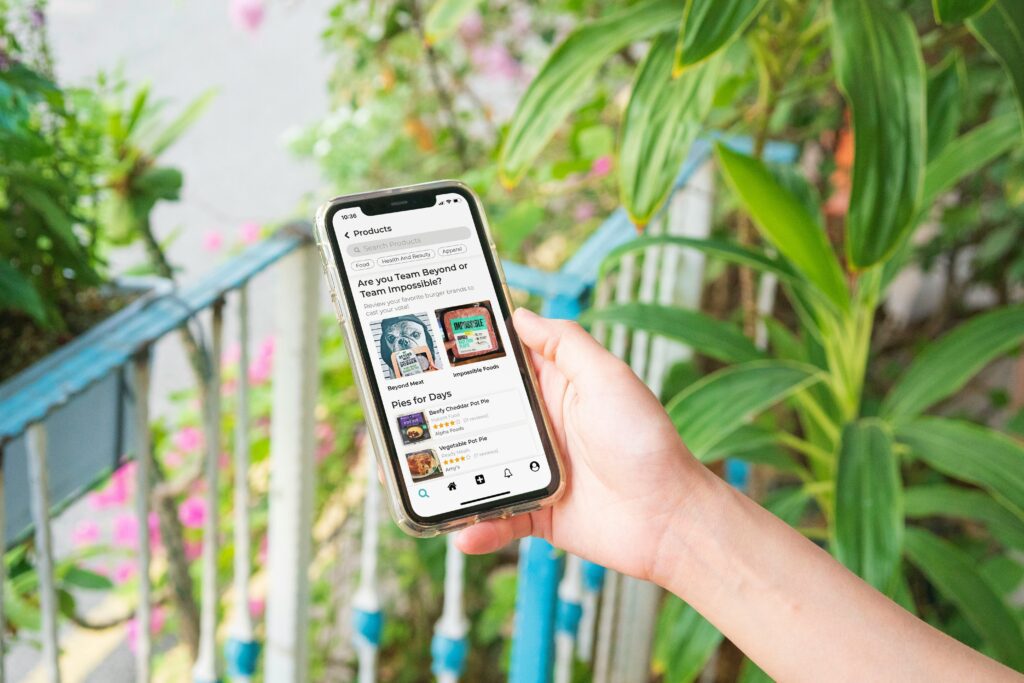
In the digital era, mobile apps have become essential tools in the hospitality and tourism industry. From planning trips to managing bookings, travelers rely heavily on their smartphones. Hotels that invest in intuitive, user-friendly mobile apps gain a clear advantage allowing guests to check availability, customize stays, and access special offers with ease.
Equally powerful are online reviews and virtual tours. According to industry reports, more than 90% of travelers read online reviews before booking a stay.
Platforms like Google, TripAdvisor, and Booking.com influence purchasing decisions more than traditional ads. Offering 360° virtual tours or immersive videos helps potential guests visualize their experience before arrival building trust and increasing conversion rates.
By combining mobile technology, social proof, and interactive content, hospitality brands can attract and retain a new generation of tech-savvy travelers.
Personalization vs. Privacy: The Balance Hotels Must Strike
While personalization is key to modern hospitality success, data privacy is equally crucial. Travelers appreciate personalized offers and AI-driven recommendations, but they also expect transparency and control over how their data is used. The challenge for hotels is to strike a balance between customization and consent.
Adopting secure data-driven marketing strategies that comply with privacy regulations (like GDPR) allows hotels to deliver tailored experiences without compromising guest trust. For example, offering guests the option to select what type of data they share — such as travel preferences or communication methods enhances confidence and loyalty.
Ultimately, the future of hospitality lies in ethical personalization — where technology enriches the guest experience without intruding on privacy.
5. How Businesses Can Adapt
The future of the hospitality and tourism industry belongs to those who can adapt quickly to technological change. As digital transformation in hospitality accelerates, businesses must embrace innovation not as an option, but as a long-term strategy for survival and growth.
Adopting AI tools, data analytics, and automation allows hotels, resorts, and travel brands to optimize operations, improve guest experiences, and stay competitive in a rapidly evolving market.
Let’s expound on how forward-thinking businesses can prepare for this digital era.
Invest in Digital Transformation
To stay relevant in the age of smart tourism, businesses must prioritize digital transformation in hospitality. This means integrating digital tools into every aspect of operations from marketing and booking to customer service and management.
Hotels that digitize their systems gain access to real-time insights, reduce human error, and streamline workflows. For instance, property management systems (PMS) integrated with AI tools in tourism can automatically update room availability, manage pricing, and even analyze guest feedback.
Investing in technology isn’t just about automation — it’s about enhancing the overall guest journey. Whether it’s implementing cloud-based solutions, upgrading booking platforms, or adopting contactless payment systems, digital transformation ensures greater efficiency, higher satisfaction, and stronger brand reputation.
Train Staff in AI Tools and Data Literacy,
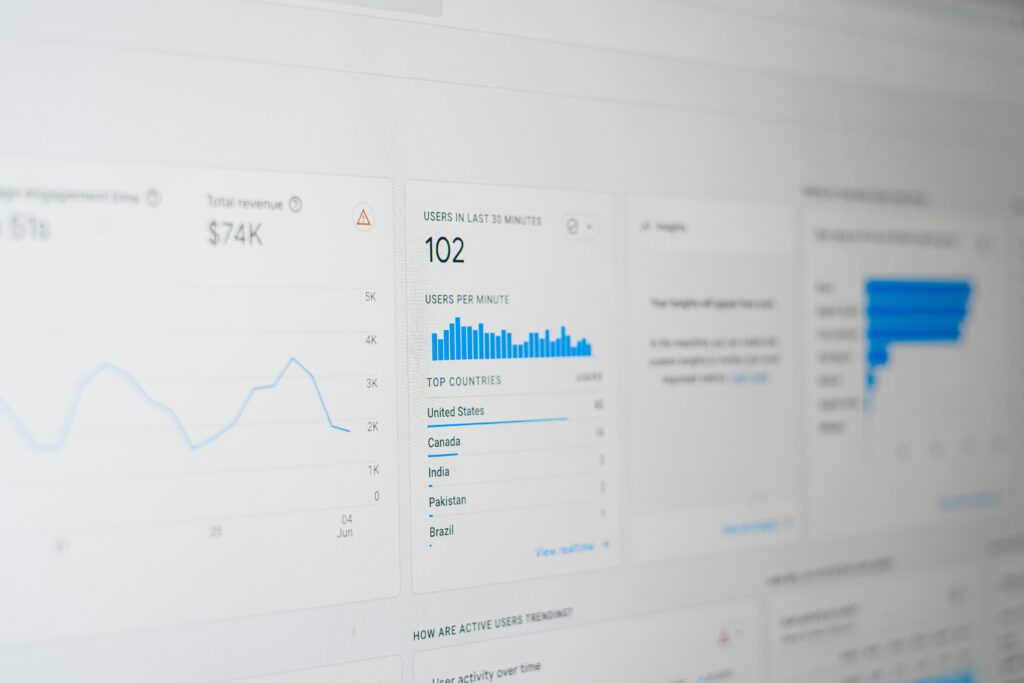
Technology is only as powerful as the people using it. Training staff in AI tools and data literacy helps hotels unlock the full potential of digital innovation. Employees who understand how to interpret guest data, operate AI-driven systems, and analyze performance metrics can make smarter, faster decisions that benefit both guests and the business.
For example, front-desk teams can use AI chatbots to manage guest inquiries more effectively, while marketing teams can leverage data-driven hotel strategies to target promotions precisely. Continuous learning programs, workshops, and certifications in AI and analytics empower staff to stay ahead of technological trends — turning them into digital ambassadors for the brand.
Partner with Tech Companies

Collaboration is key to innovation. Hotels and travel agencies can accelerate growth by forming partnerships with tech companies specializing in hospitality solutions. Whether it’s an AI software provider, digital marketing agency, or cloud technology vendor, these partnerships provide access to expertise and tools that smaller businesses might not afford independently.
By collaborating with experts in AI-powered guest experience or hotel automation technology, hospitality brands can introduce new features faster — such as smart room systems, personalized booking engines, or automated marketing platforms. Partnerships also open doors to industry insights, helping businesses stay aligned with emerging tourism digital trends and consumer behaviors.
Use Social Listening to Improve Brand Experience
In the digital age, brand reputation can make or break a hospitality business. Social listening in hospitality, the process of monitoring social media conversations, reviews, and online mentions allows hotels to understand what guests are saying about their experiences.
By using AI-powered tools, hotels can analyze patterns in guest feedback, identify pain points, and respond proactively. For example, if multiple reviews mention slow Wi-Fi or unresponsive service, management can address the issue immediately before it affects brand perception.
Social listening also uncovers valuable insights about guest sentiment, travel trends, and competitor performance. This data can then guide marketing decisions, refine service delivery, and enhance overall guest satisfaction.
In short, social listening transforms feedback into a powerful strategy for continuous improvement, a must-have in today’s digital-first hospitality industry.
Shaping the Future of Hospitality Through AI and Digital Innovation
The future of hospitality and tourism is being shaped by those who embrace innovation, not resist it. In this fast-evolving digital landscape, AI in hospitality and digital marketing in tourism are no longer optional trends; they are the new foundation of success. From intelligent chatbots and predictive analytics to personalized guest experiences and automated hotel systems, technology is redefining how guests connect, book, and remember their stays.
Businesses that adapt quickly to this transformation are setting new standards in efficiency, personalization, and customer satisfaction. Those that don’t risk falling behind in an industry that’s increasingly driven by data, automation, and smart insights.
Adopting AI-powered guest experience strategies and investing in digital transformation in hospitality allows hotels, resorts, and travel companies to stay ahead of market shifts. The key lies in balancing technology with human touch blending machine intelligence with genuine hospitality to create seamless, memorable journeys for every guest.
The hospitality industry is no longer just about providing rooms; it’s about delivering intelligent experiences that start before check-in and continue long after checkout. The next decade will belong to brands that use hospitality innovation to anticipate guest needs, personalize every interaction, and inspire loyalty through connection and convenience.